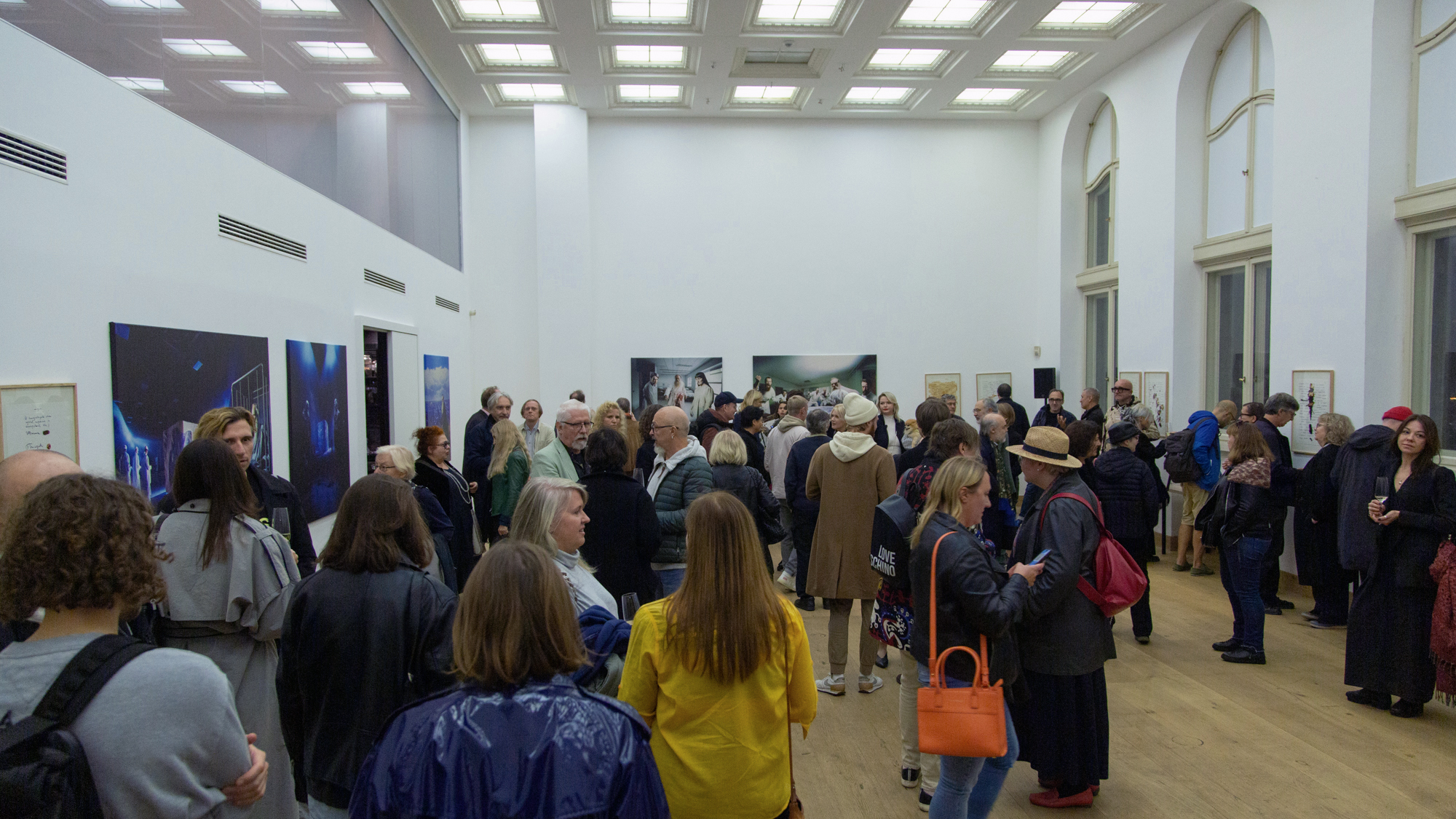
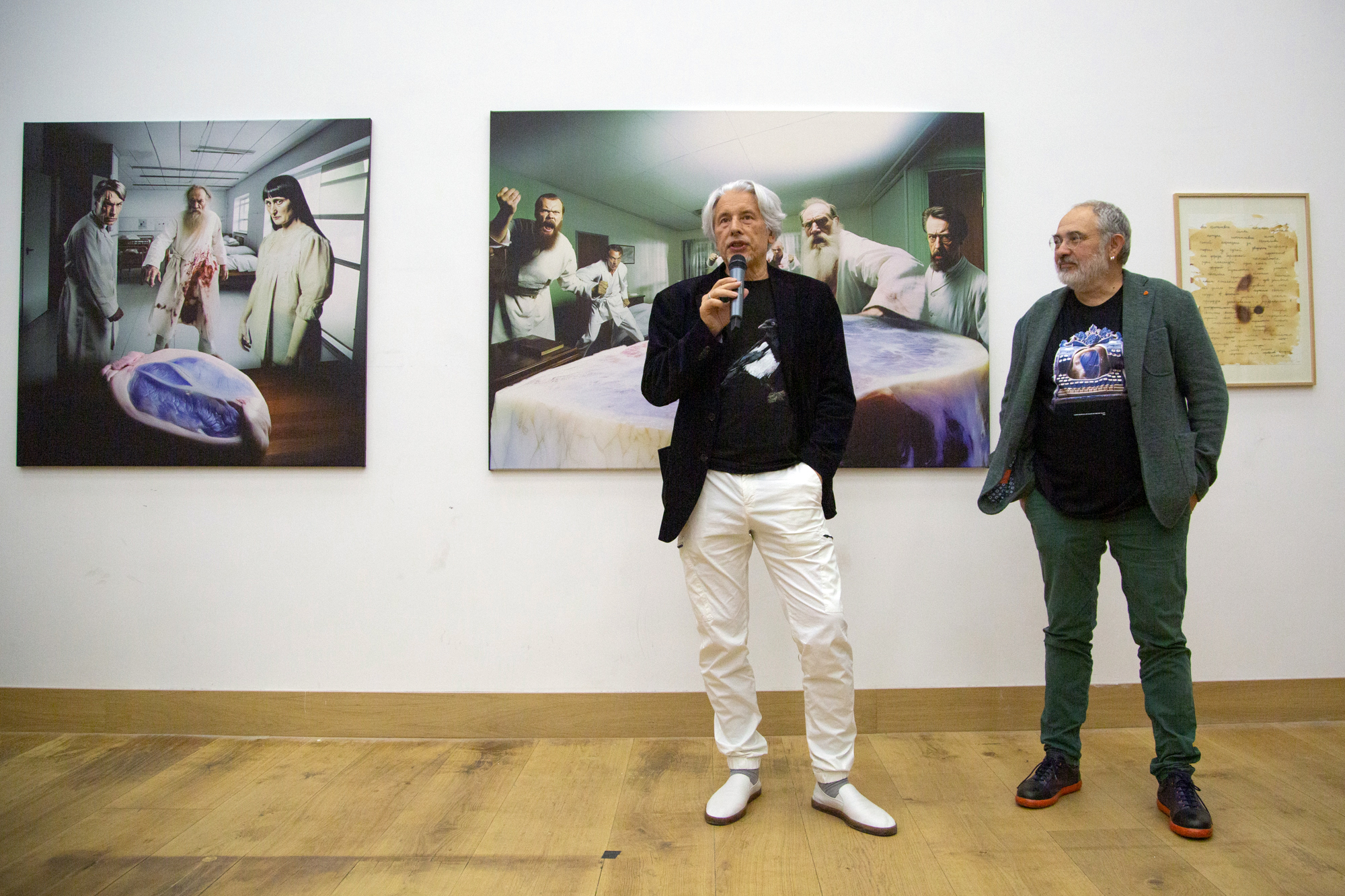
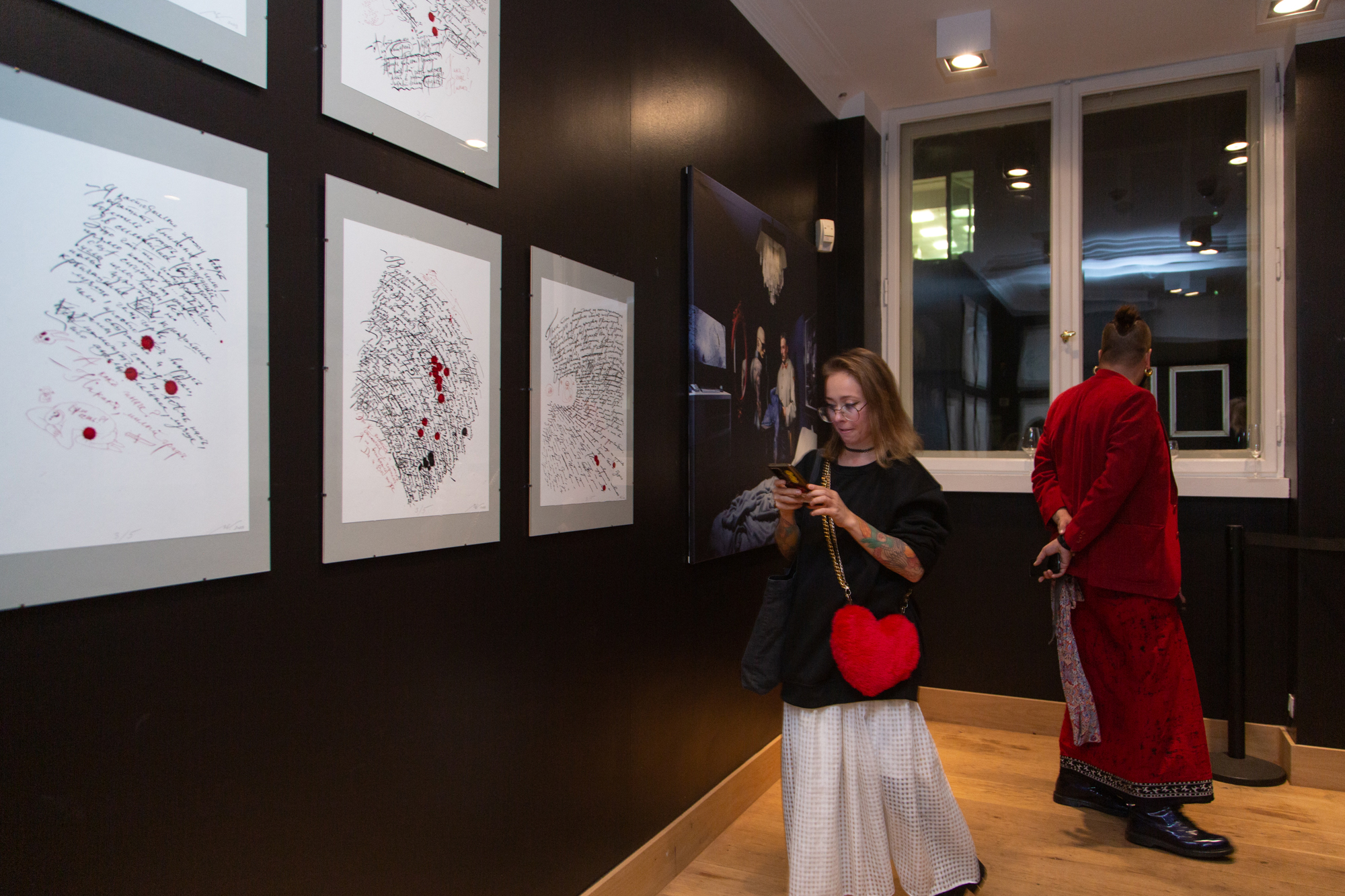
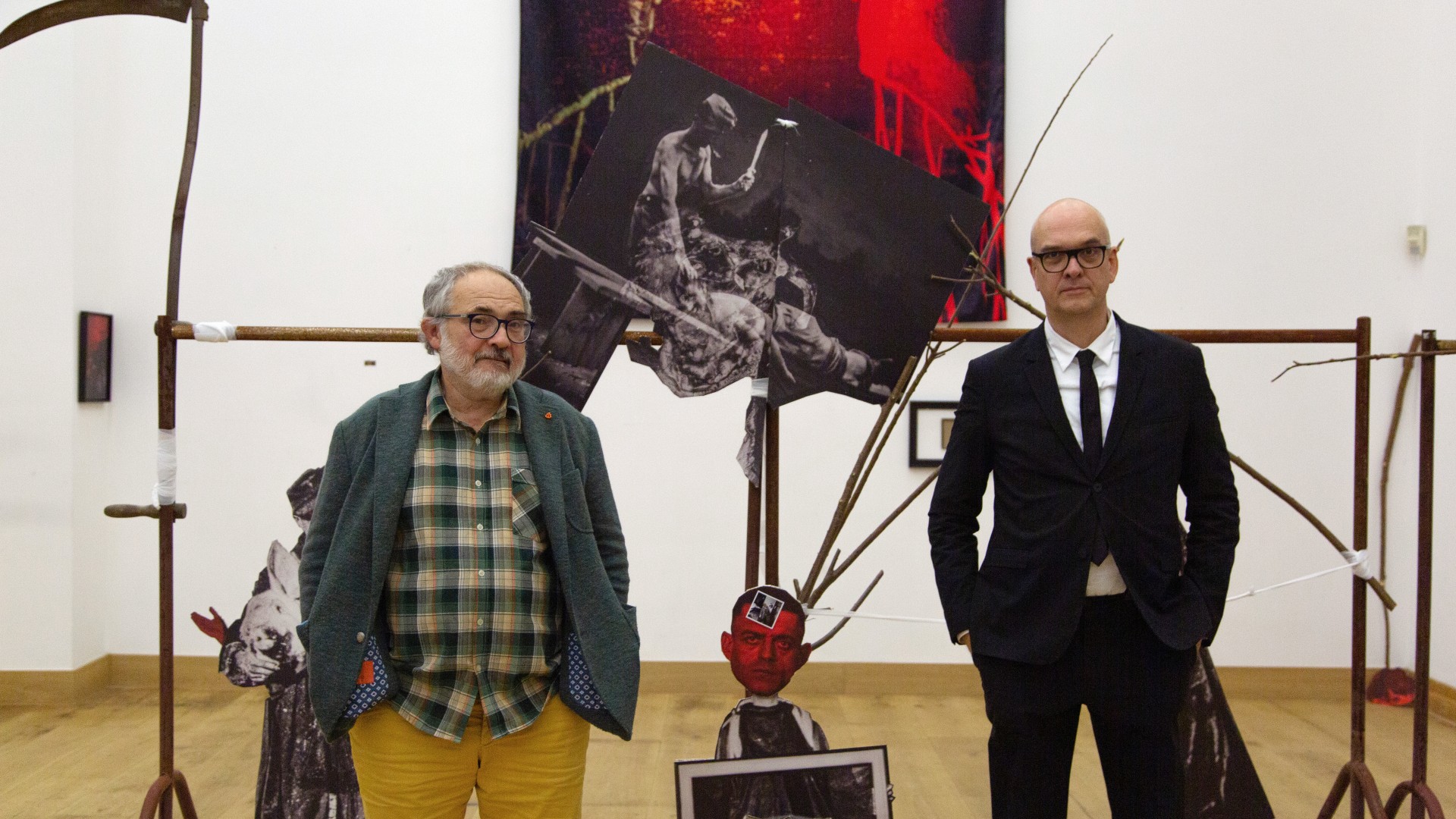
Launched in Berlin by Marat Guelman in 2023, Guelman und Unbekannt became one of the first physical art spaces purposefully dedicated to art created by artists in collaboration with artificial intelligence. The gallery emerged as a direct response to a rapidly changing artistic landscape, where digital technologies, neural networks, and generative practices ceased to be peripheral experiments and entered the mainstream of the global artistic process.
The primary objective of the project is to integrate digital and AI art into a broader cultural and institutional context. Guelman und Unbekannt views artificial intelligence not merely as a technical instrument, but as a new participant in the creative process—one capable of transforming how art is produced, perceived, and evaluated. Educational outreach forms another core pillar of the gallery's mission: the project team strives to help audiences, collectors, and the professional art community understand a new creative reality where the boundaries between the artist, the algorithm, and the viewer are increasingly fluid.
Guelman und Unbekannt is, above all, a project about time. Only yesterday, marginalized digital artists were building their own infrastructure within the digital underground. They were rejected not due to the quality of their work, but simply because the concepts of "original" and "copy" did not exist in their medium. Today, that obstacle has been resolved: blockchain technology allows the provenance of a digital artwork to be tracked with greater precision than the history of an oil painting on canvas.
Over the past thirty years, a vast repository of images claiming the status of artworks has accumulated across the internet. This sheer volume often overwhelms traditional art connoisseurs. While countless talented artists and groundbreaking works exist, there is virtually no consensus among professionals to help navigate this landscape. On the one hand, it is clear that the digital environment not only generates art, but also shapes the criteria used to evaluate it—criteria that are in some ways novel, and in others deeply traditional. On the other hand, a digital community that is fundamentally democratic and anti-hierarchical has yet to establish a functioning mechanism for evaluating art.
The concept revolves around fostering a dialogue between traditional fine art and digital culture. Unlike purely online initiatives, Guelman und Unbekannt operates as a physical space complete with exhibition programming, public events, and international collaborations. Digital art requires more than a virtual environment; it demands a physical exhibition experience—complete with spatial architecture, viewer presence, and live discourse.
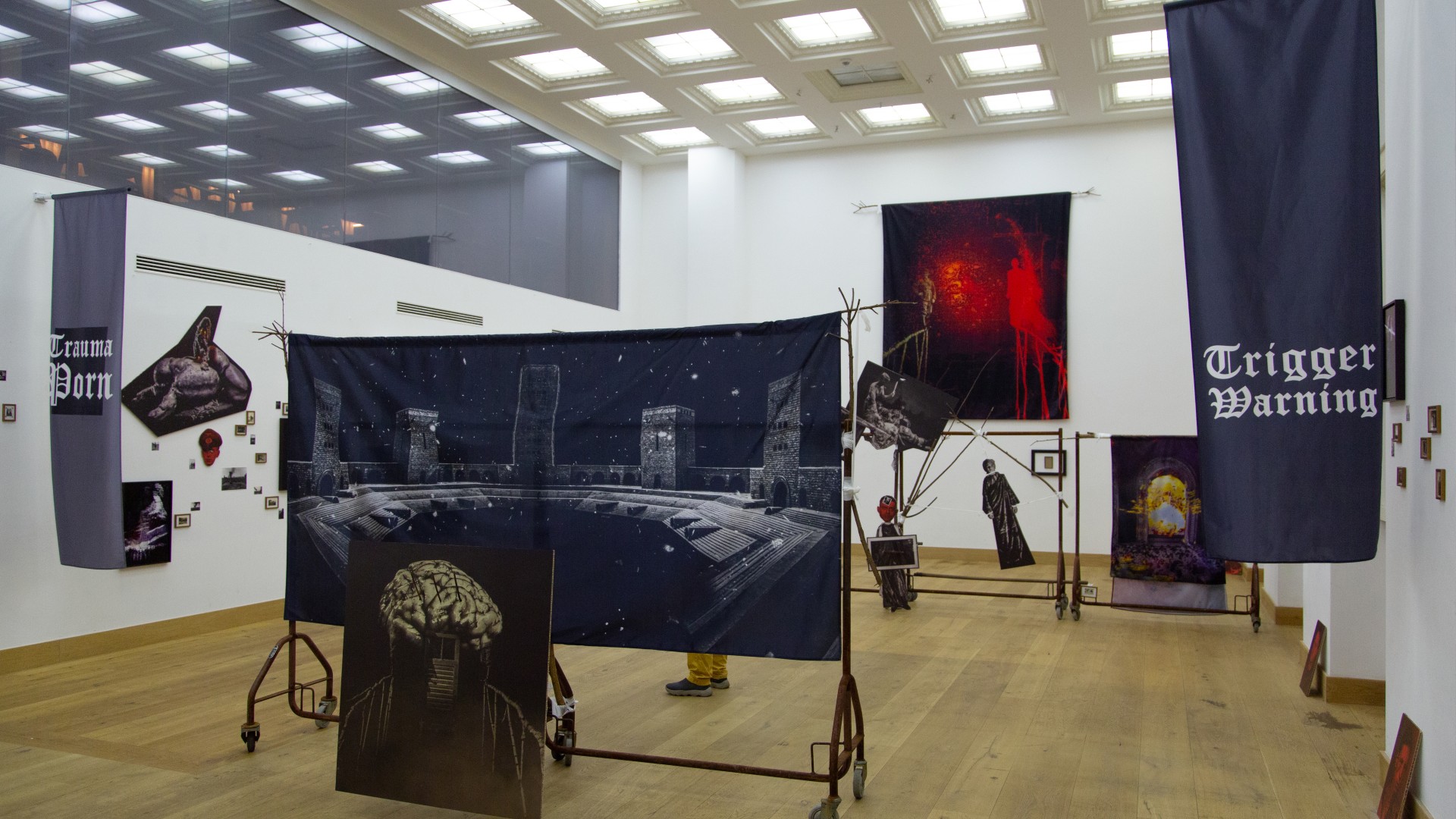
In a short period, the gallery has executed notable projects exploring the relationship between humanity and technology. Early shows included German artist Olaf Schirm's project Main Works, which examined the intersection of science, human consciousness, and artificial intelligence. Another major event was Boris Eldagsen's exhibition Pseudomnesia / Trauma Porn, which investigated the nature of memory, image falsification, and the impact of neural networks on contemporary visual culture.
Guelman und Unbekannt has engaged not only artists who emerged natively within the digital environment. On the contrary, a key element of the experiment involves offering this new instrument to creators with established artistic languages. In this sense, Guelman und Unbekannt explores not merely the technical capabilities of neural networks, but what happens to an artist when paired with a new algorithmic co-author. This approach birthed Vladimir Sorokin's projects Blue Lard and Day of the Oprichnik, theater director Dmitry Krymov's project The Death of a Giraffe, as well as works by Alexander Vinogradov. In 2024, Vitaly Komar launched his project Ruins, integrating AI into a broader reflection on the museum, art history, and the future of cultural memory.
One of the most widely discussed projects of the past year was First of All, It’s Beautiful by Marat Guelman and the ±Komma group, which examined the aesthetics of anxiety, nuclear threats, and the reinterpretation of collective fear through the language of art. In this project, artificial intelligence acted not merely as an image-generation tool, but as a full co-author of the artistic statement.
Today, Guelman und Unbekannt actively participates in international art life, including art fairs and exhibition projects across Berlin, Basel, and New York. The gallery has been presented at VOLTA Basel and other international venues, continuing to shape a space for a new kind of art—art emerging from the collaboration between human creators and artificial intelligence. Inspired by the transformations taking place in contemporary art today, the project aims to remain an integral part of this new era.
Guelman und Unbekannt continues an enduring trajectory in Marat Guelman’s career. In Moscow, his gallery represented new Russian art at a time when its institutional system was just taking shape. In Perm, he created a cultural institution from scratch, demonstrating that contemporary art can reshape the identity of an entire industrial city. In Berlin, the experiment focuses on new territory—art in the era of artificial intelligence.
In this sense, Guelman und Unbekannt is less a gallery "about AI" and more an attempt to return to a point where the rules have not yet been written—a space where it remains uncertain who will become a defining artist, what will endure as a masterwork, how value will be assigned, and which of today's experiments will enter art history twenty years from now.