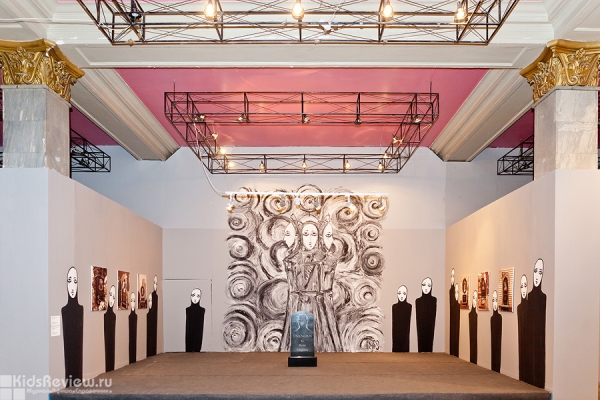
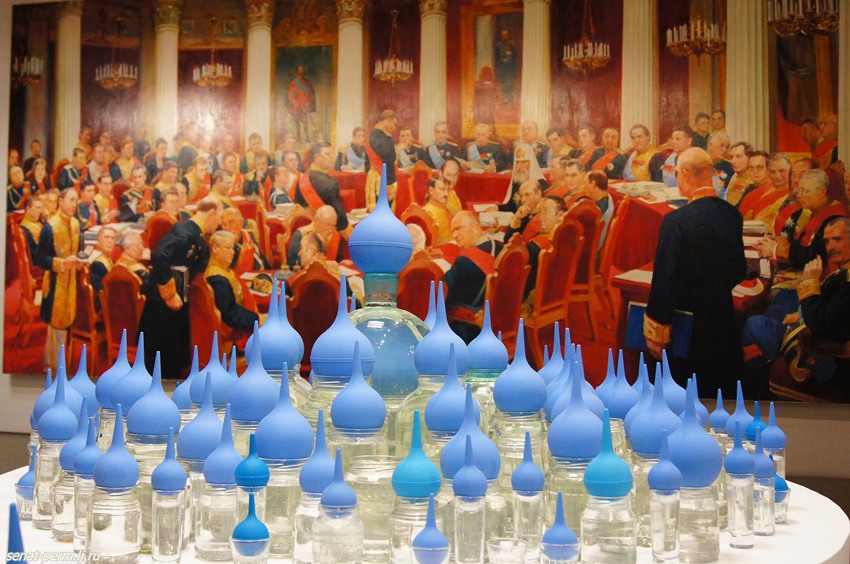
The PERMM Museum of Contemporary Art became one of the most significant institutional projects in the history of Russian contemporary art in the early 21st century. Founded in Perm on the initiative of gallerist and curator Marat Guelman with the support of Perm Krai governor Oleg Chirkunov and entrepreneur Sergei Gordeev, the museum emerged not as a local art venue, but as the central element of an ambitious cultural strategy aimed at rethinking the identity of an industrial city through contemporary culture.
The museum’s story began in 2008 with the exhibition “Russian Poor,” opened in the former River Station building in Perm. The show featured both established masters of Russian contemporary art — Yuri Albert, Dmitry Gutov, Nikolay Polissky, Leonid Sokov, Alexander Brodsky, Igor Makarevich and others — and a new generation of artists, including the Recycle art group, Anya Zhelud, Zhanna Kadyrova and Ilya Trushevsky. Visitor numbers far exceeded the organizers’ expectations: around 45,000 people saw the exhibition in the first month alone, and its run was extended. The success of “Russian Poor” became the basis for the decision to establish a state museum of contemporary art in Perm.
In 2009 PERMM received official state museum status — becoming the first dedicated contemporary art museum in Russia outside Moscow and St. Petersburg. After the museum’s founding, Marat Guelman was appointed director. During this period, the museum developed a fundamentally new model of a regional art institution. Unlike the classical museum model focused primarily on preserving and displaying a collection, PERMM was built around the idea of art’s active involvement in public life. Contemporary art was understood not as a specialized field addressed to a professional community, but as a universal language capable of changing perceptions of the city, creating new forms of public dialogue, and shaping the cultural identity of a place.
The emergence of PERMM formed part of a broader strategy of cultural modernization in Perm. At the core of this project was the conviction that culture is not a byproduct of economic development, but one of its sources. Investment in art was seen as investment in human capital, the quality of the urban environment, and society’s capacity for renewal. Accordingly, the museum was conceived from the outset not as an isolated art venue, but as an open public institution engaging with the city on multiple levels.
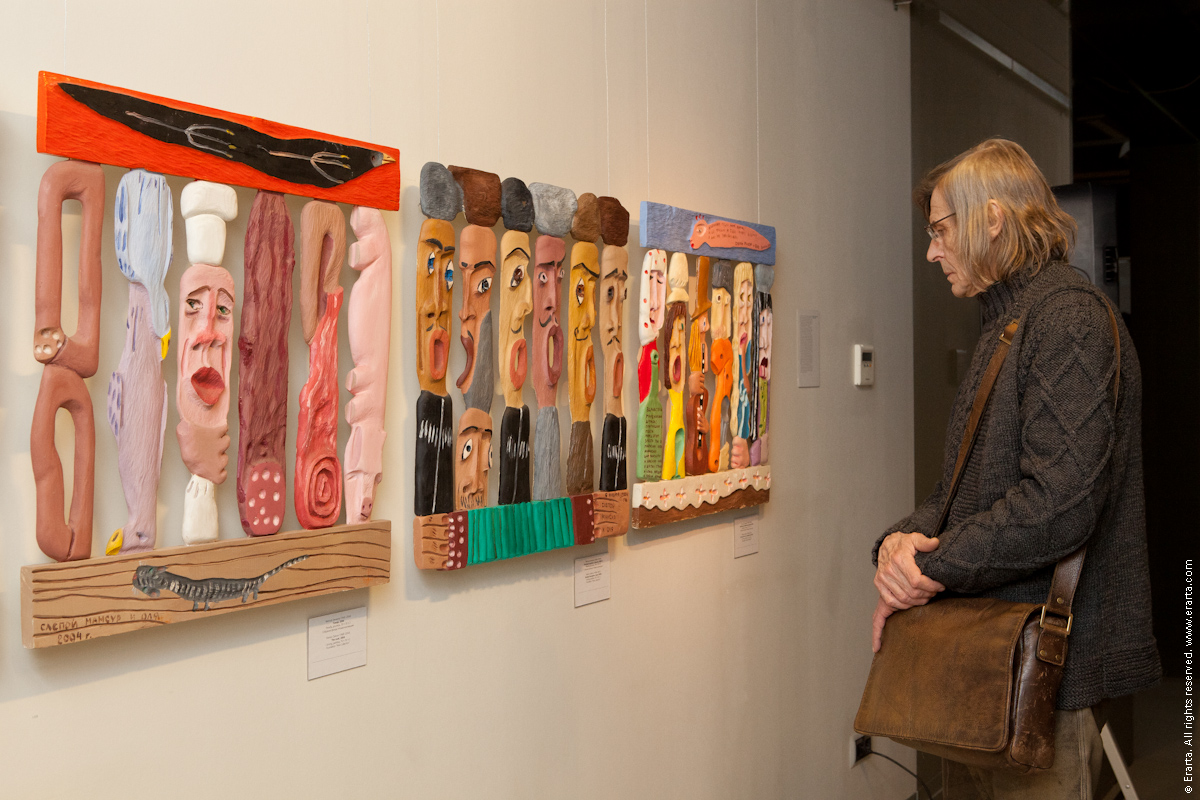
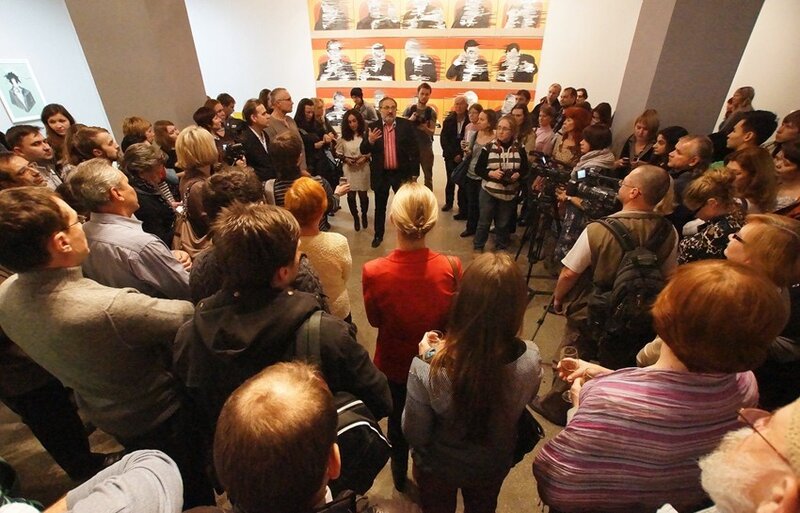
Exhibitions were only one part of PERMM’s program. The museum became a hub for educational initiatives, public discussions, international projects, publishing activities, and large-scale contemporary art festivals. A crucial task was to overcome the distance between contemporary art and the broader public, turning the museum into a space of free communication where art serves as a means of discussing current social, cultural and political issues.
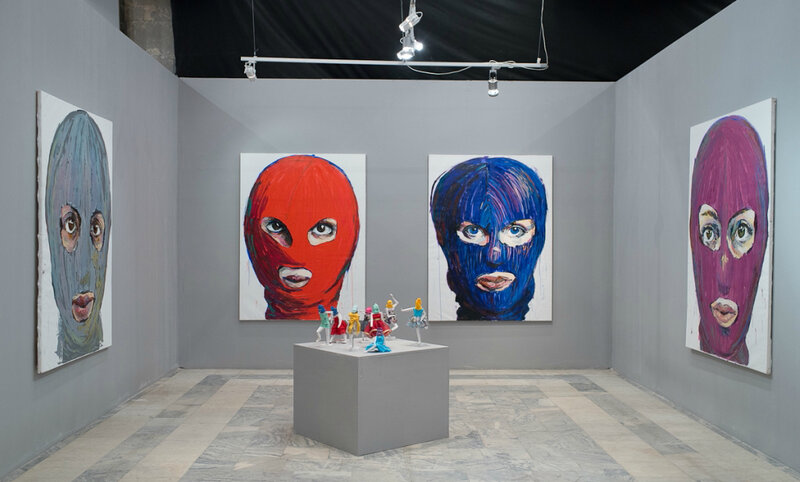
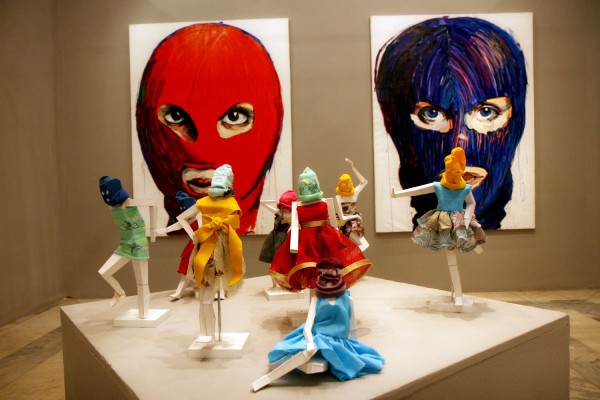
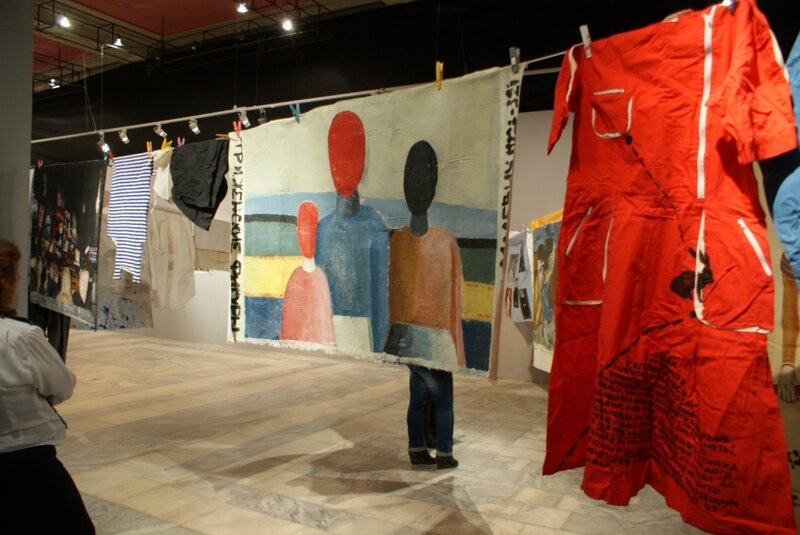
Over five years, the museum hosted dozens of exhibitions by Russian and international artists. PERMM presented solo projects by Alexander Brodsky, Valery Koshlyakov, the Blue Noses group, exhibitions of contemporary art from Ukraine, Kazakhstan and the North Caucasus, as well as the Perm Graphic Art Biennale. Marat Guelman curated most of the museum’s projects, many of which had a substantial impact on the artistic life of the country. Among them were Dmitry Vrubel’s “Gospel Project” (2009), “Night at the Museum” (2010), “Motherland” (2011), Anonymous (2012), “The Bride’s Face” (2012), Grand Caucasus (2012, prepared together with Naile Allakhverdieva), Icons (2012) and others. Many projects were created specifically for PERMM’s spaces and were later shown in Moscow, St. Petersburg, Novosibirsk, Krasnoyarsk, Milan and other cities, transforming PERMM from a regional museum into one of the most visible Russian participants in the international art scene.
PERMM also became a platform for public debate. Many exhibitions sparked wide resonance, raising questions about the limits of artistic freedom, the role of the museum in contemporary society, and the place of critical art in the public sphere. This revealed one of the key features of the project: the museum did not seek to avoid difficult topics, treating open discussion as a necessary condition for contemporary art’s existence.
Equally important was the work of building the museum collection. It was assembled not according to the principle of accumulating recognized masterpieces, but as a reflection of the processes shaping the development of contemporary Russian art. Many works were donated directly by artists who considered their participation in the creation of PERMM a contribution to the formation of a new cultural institution of national significance. One of the major acquisitions was an installation by Ilya Kabakov.
PERMM became the core of the broader cultural project “Perm — Cultural Capital,” which included the “Living Perm” festival and later “White Nights in Perm,” a large-scale public art program and numerous urban artistic interventions. By 2012 the project’s combined audience exceeded one million visitors. For the first time in contemporary Russia, a museum acted not only as a custodian of a collection, but as an active agent in the transformation of urban space, integrating contemporary art into the everyday life of the city.
One of PERMM’s most important characteristics was its openness to the international art context. The museum actively collaborated with foreign curators, institutions and artists, demonstrating that contemporary art can successfully develop outside the capital cities; for example, in 2011 the “Russian Poor” project was presented in Milan. As a result, Perm became a notable point on the map of European cultural initiatives and a subject of interest for the international art press.
At the same time, the museum’s activities were accompanied by ongoing public controversy. Many exhibitions provoked sharp disputes about the boundaries of artistic freedom, the role of contemporary art, and the acceptability of critical expression in the public sphere. PERMM was one of the first Russian institutions where the conflict between contemporary art and state cultural policy acquired nationwide significance.
In June 2013, after a series of conflicts surrounding exhibition projects and the “White Nights in Perm” festival, Marat Guelman was dismissed from his position as director of the museum.
Over the years of its work, PERMM evolved into one of the most influential contemporary art museums in Russia and became an example of a new museum model in which the institution functions not only as a guardian of artistic heritage, but also as an active participant in cultural and social processes. Its experience demonstrated that a museum can be not only a space of memory, but also a laboratory of the future, and that contemporary art can be a vital resource for the development of both the city and society.

.jpeg)
.jpeg)
.jpeg)
.jpeg)