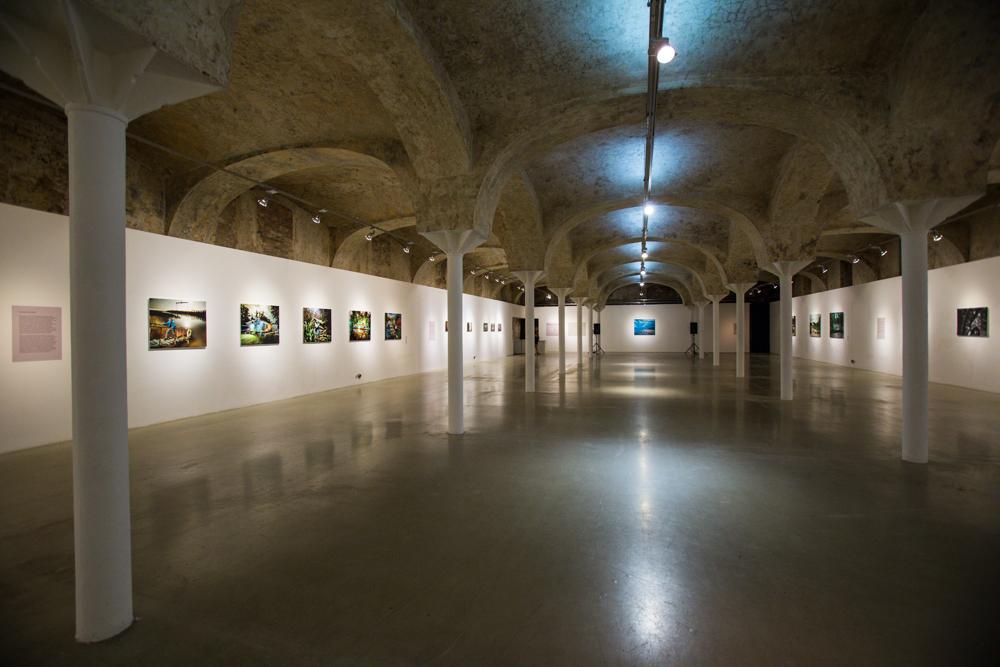
The Cultural Alliance is an interregional association of cultural institutions initiated by Marat Guelman in 2010. The project became a logical continuation of the cultural policy launched in Perm Krai after the exhibition “Russian Poor” (2008) and the founding of the PERMM Museum of Contemporary Art (2009). If the Perm experiment demonstrated that contemporary culture can become a driver of development for a single region, the task of the Cultural Alliance was to extend this model to other Russian cities.
Between 2010 and 2012, dozens of museums, contemporary art centers, exhibition venues, and cultural organizations from various Russian regions joined the Alliance. Among the most active participants were Perm, Samara, Tver, Kaluga, Yekaterinburg, Kirov, Kazan, Ulyanovsk, Yaroslavl, Nizhny Novgorod and a number of other cities. The project united not only state museums but also independent cultural initiatives, regional administrations, curators, artists, and experts in cultural policy.
The core principle of the Alliance’s work was horizontal cooperation. Instead of waiting for major projects to come from Moscow, regional institutions jointly developed programs, exchanged exhibitions, invited artists to one another, organized shared educational projects, and built new partnerships.
One of the key areas of activity was organizing interregional exhibition exchanges. Projects produced in one city were shown in others, allowing artists to reach new audiences and giving regional museums and contemporary art centers the opportunity to present relevant art without having to produce costly exhibitions themselves. In parallel, the Alliance held curatorial seminars, professional conferences, public lectures, and discussions on museum development, cultural policy, and the role of art in contemporary urban life. Over two years, the Alliance organized around ten major exhibitions dedicated to contemporary art in the Russian regions.
Equally important were artist residencies and support for emerging practitioners. The Alliance created conditions for artists to work in different regions of the country, engage with local communities, and develop site-specific projects. At the same time, it gave regional artists the chance to show their work in Moscow for the first time and enter the nationwide art scene. This mission eventually led to the establishment of the Cultural Alliance Production Center at Vinzavod in Moscow, which consecutively hosted exhibitions of art from Perm, Izhevsk, Kazakhstan and other regions and CIS countries.
Special attention was paid to developing tailored cultural strategies for individual cities. The Alliance team worked with regional administrations, museums and universities, proposing projects rooted in the specific characteristics of each territory.
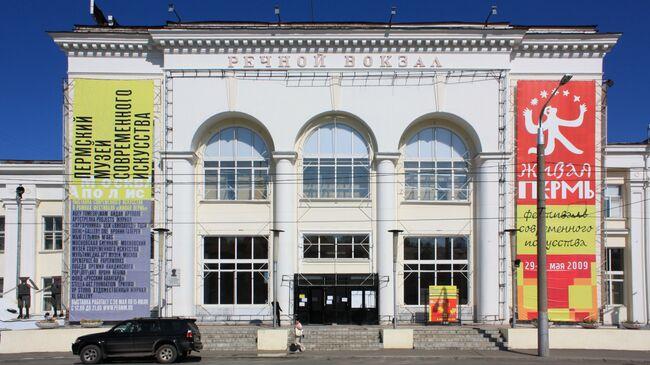
Following the Perm model, the Alliance supported the use of former industrial sites, river stations, warehouses, and other disused buildings as spaces for contemporary art. The underlying idea was that culture should not only be exhibited in museums, but also serve as a tool for transforming the urban environment, influencing tourism, small business, and civic engagement.
According to Marat Guelman, the project’s goal was to create a “map of cultural capitals” in Russia, where new artistic ideas emerge not only in Moscow and St. Petersburg, but also in the regions. Within this model, contemporary art was understood as a mechanism for territorial development, capable of attracting investment, reshaping urban identities, and building professional communities.
After the political changes of 2012–2013 and the discontinuation of the Perm cultural project, the activities of the Cultural Alliance gradually came to a halt. Nevertheless, it became one of the largest experiments in decentralizing Russian cultural life in the early 21st century, for the first time uniting dozens of regional institutions into a single network of cooperation and articulating the idea of culture as a tool for territorial development rather than solely a sphere of heritage preservation.
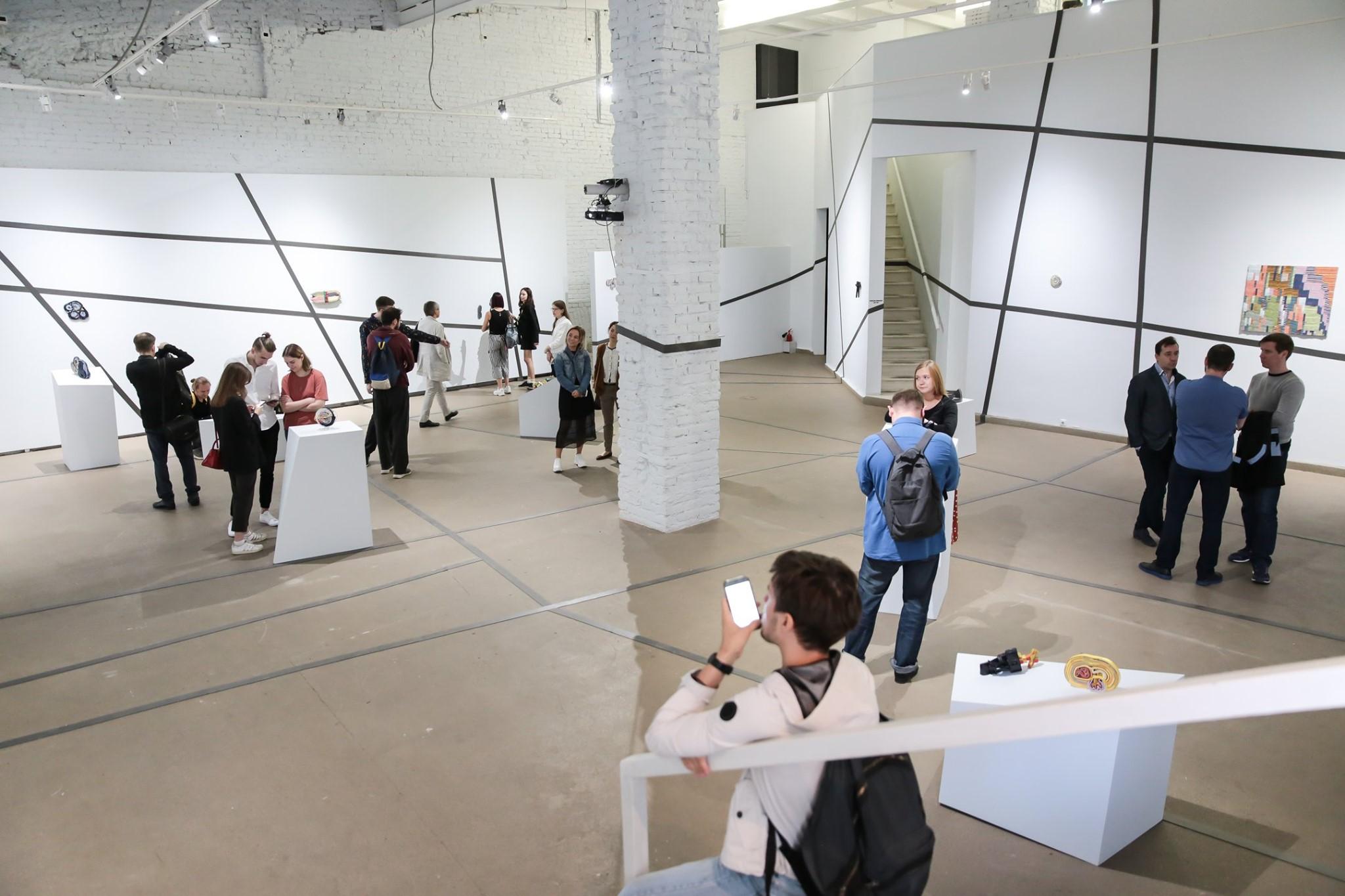
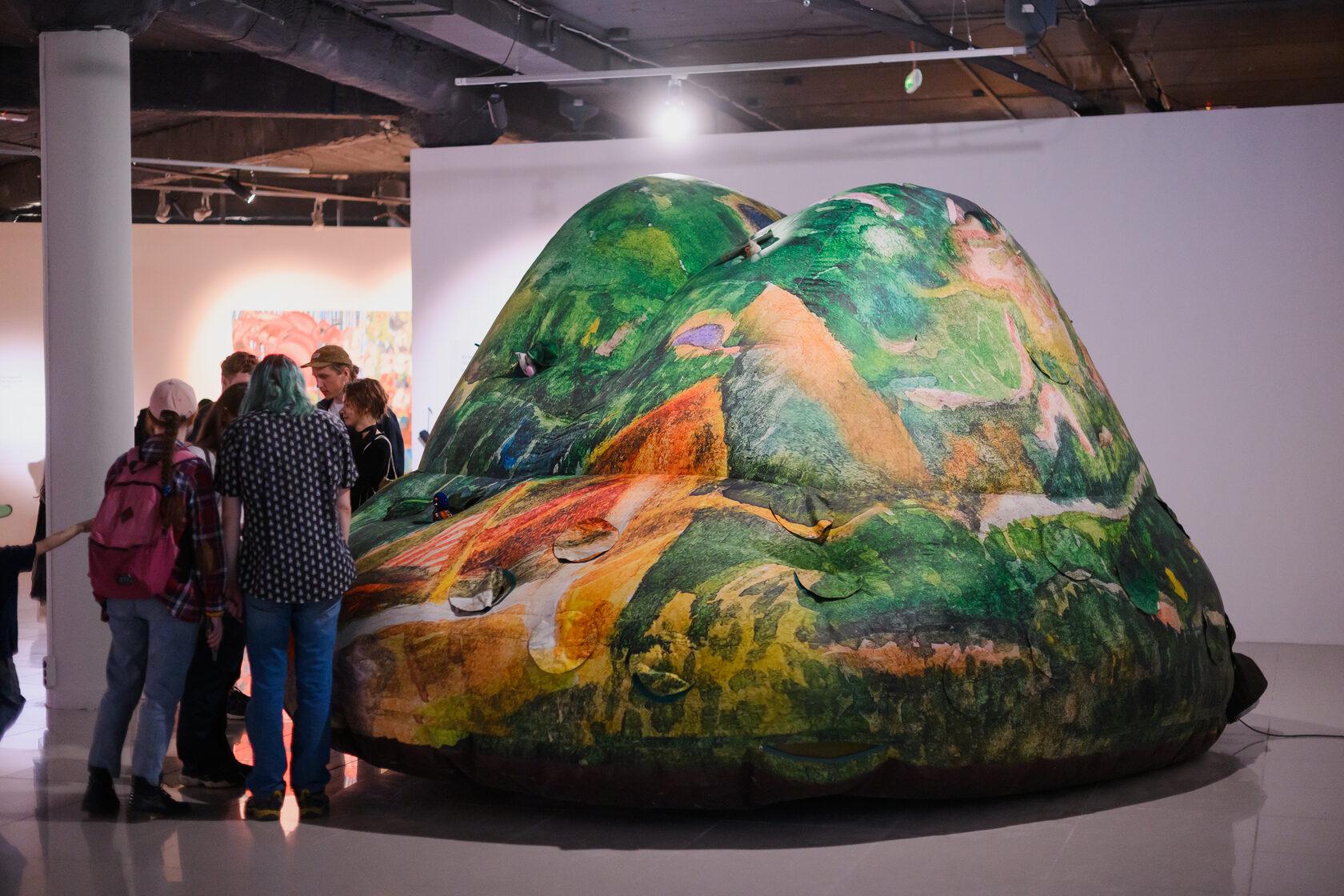
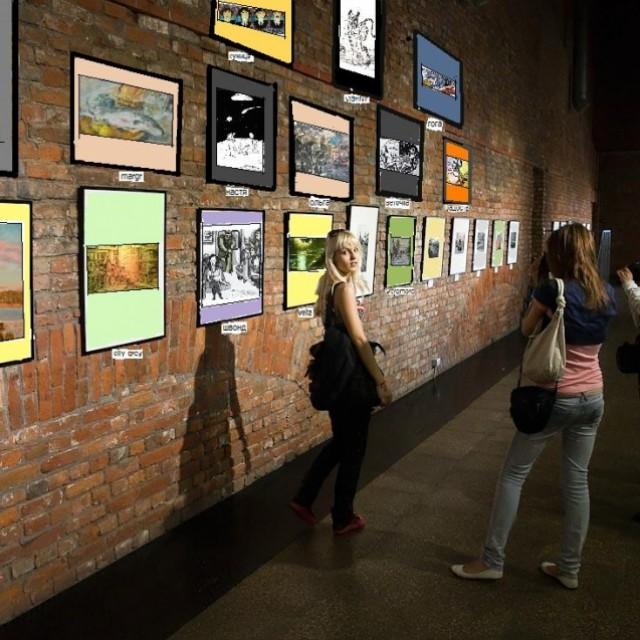
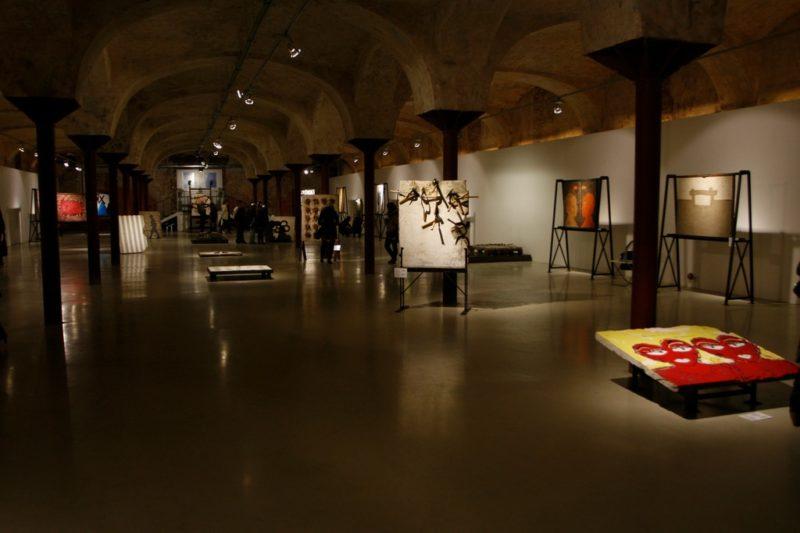
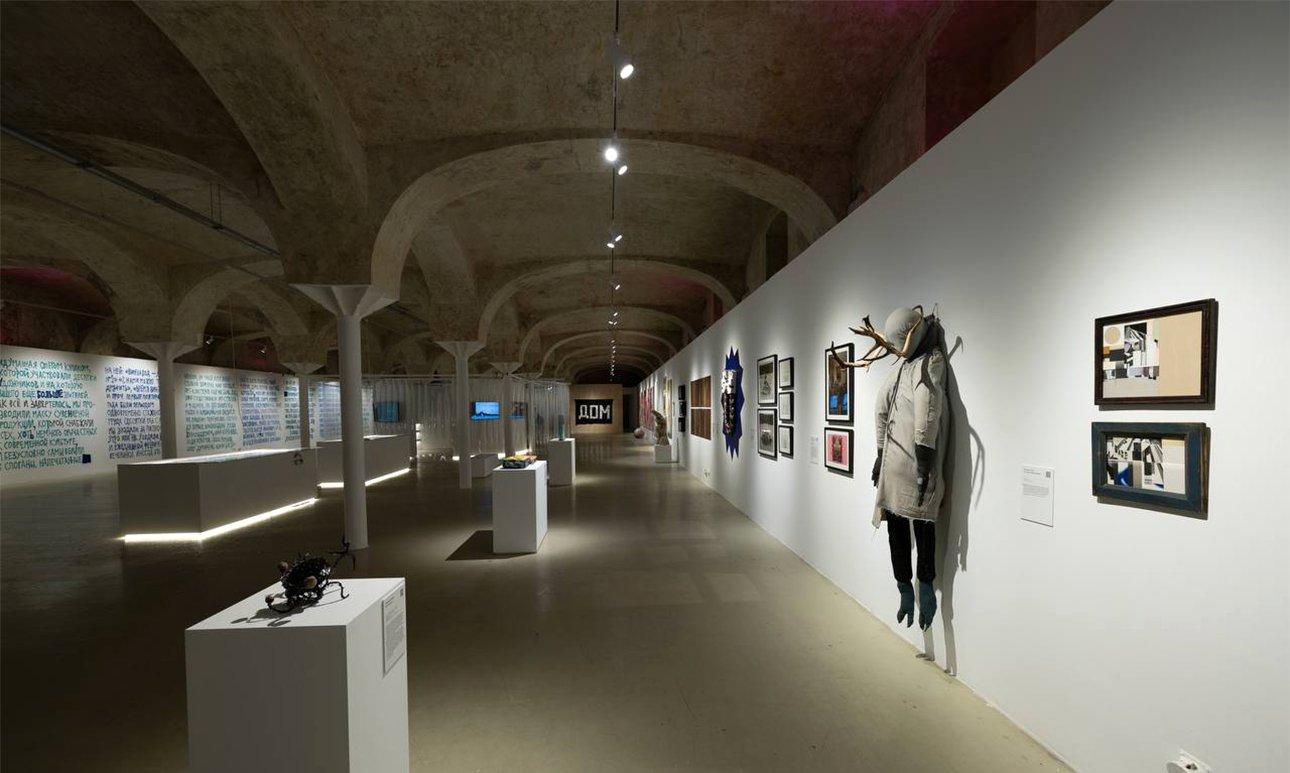
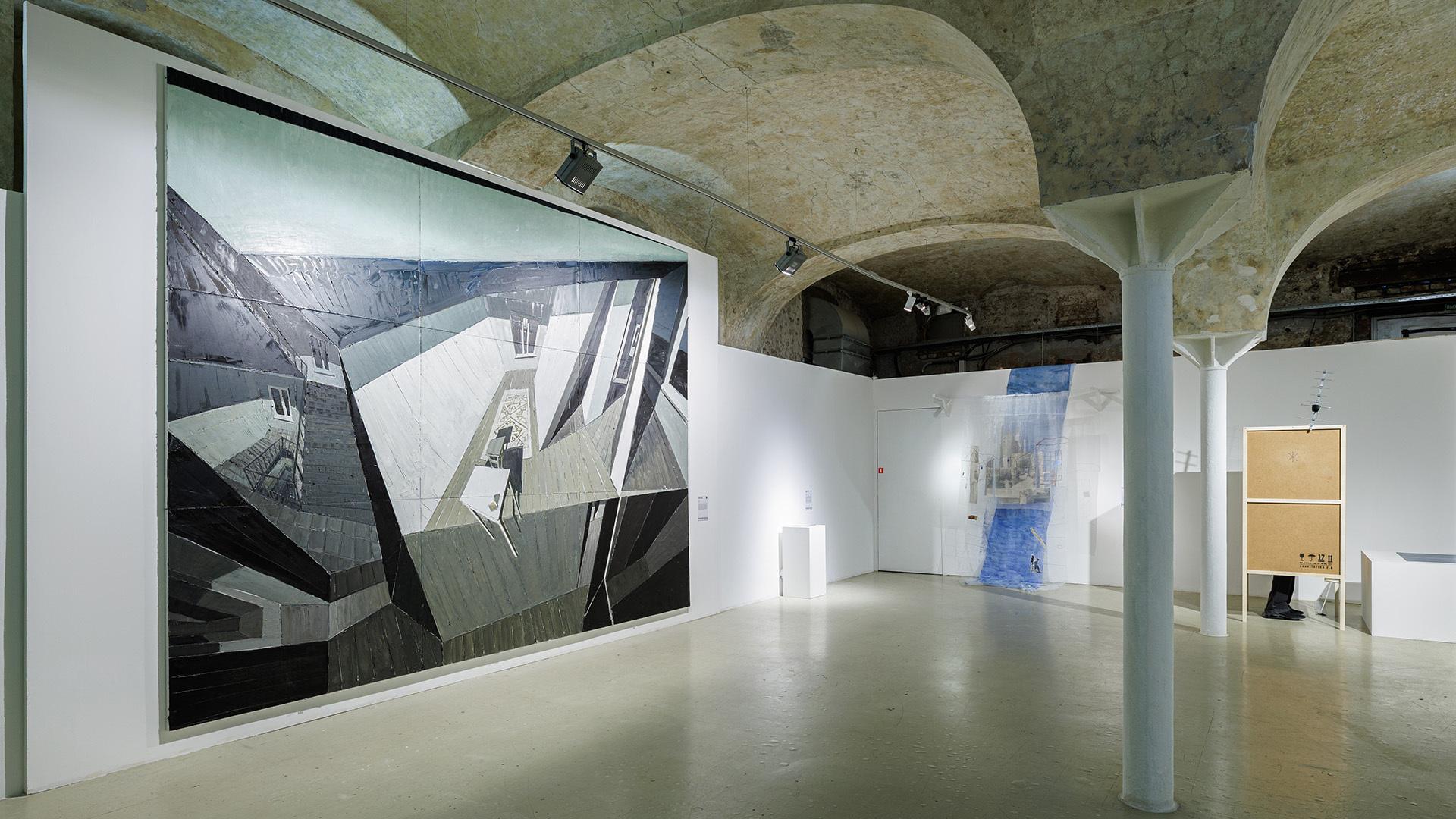
The main exhibition project of the Alliance was “Art Against Geography. Cultural Alliance,” which opened in autumn 2011 as part of the 4th Moscow Biennale of Contemporary Art at the Vinzavod Center for Contemporary Art. The exhibition brought together artists from 11 non-capital Russian cities, many of whom were presented to a Moscow audience for the first time. The project embodied the central idea of the Alliance: contemporary art develops not only in Moscow and St. Petersburg, and regional art communities are capable of independently shaping an up-to-date cultural agenda.
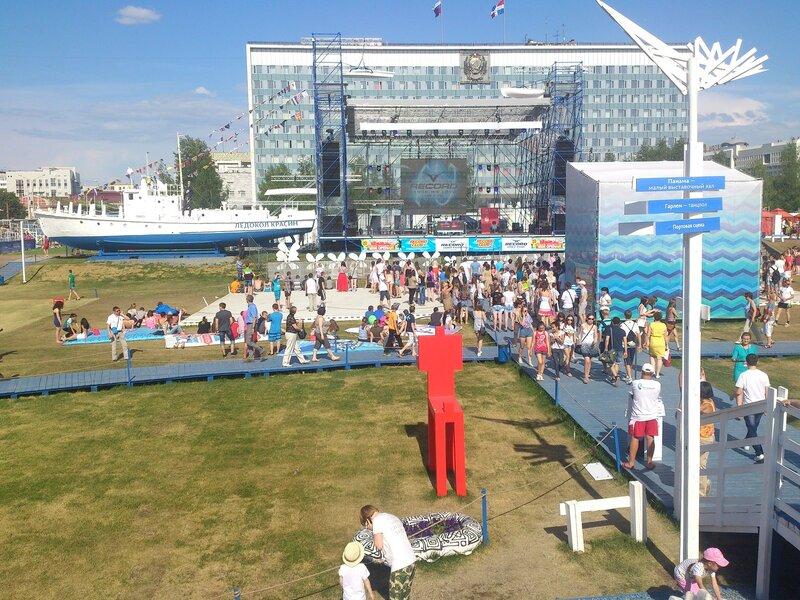
The Cultural Alliance segment of the White Nights in Perm festival brought together museums, art institutions, and artists from different Russian regions. The festival featured exhibitions, performances, lectures, discussions, film programs, and public events devoted to contemporary culture and regional development. It became a meeting ground for representatives of various cities and a platform for building new professional connections.
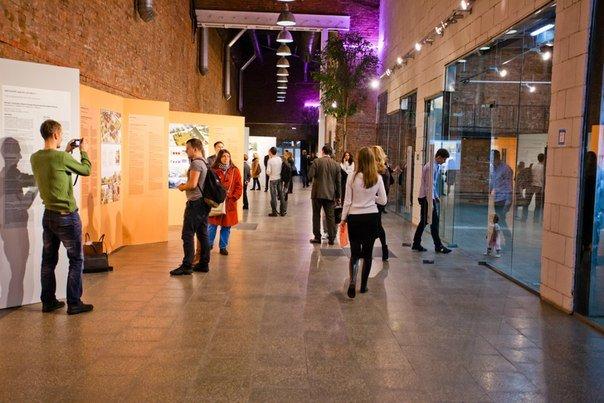
After the closure of the Guelman Gallery at Vinzavod in 2012, a new venue was established — the Cultural Alliance Production Center. Its mission was to provide a permanent presence in Moscow for contemporary art from the Russian regions and CIS countries. The center hosted exhibitions from Perm, Izhevsk, Krasnodar, Kazakhstan and other artistic hubs that rarely appeared in the capital’s exhibition landscape. It became a practical continuation of the Alliance’s ideas and a platform for promoting regional artists.
An important part of the Alliance’s work was collaborating with regional administrations on long-term cultural programs. The best-known example was the concept for transforming the Lenin Memorial in Ulyanovsk into a major cinema museum, envisioned as a new point of cultural growth for the city. Similar consultations were carried out in other regions where contemporary culture was seen as a tool for territorial development.
One of the most significant outcomes of the Alliance was the creation of a cooperative network among regional museums and contemporary art centers. During its two years of activity, the Alliance helped organize around ten large exhibition projects and two interregional festivals, enabling artists from different cities to work within a shared cultural space and exchange exhibitions without the mediation of capital-based institutions.