
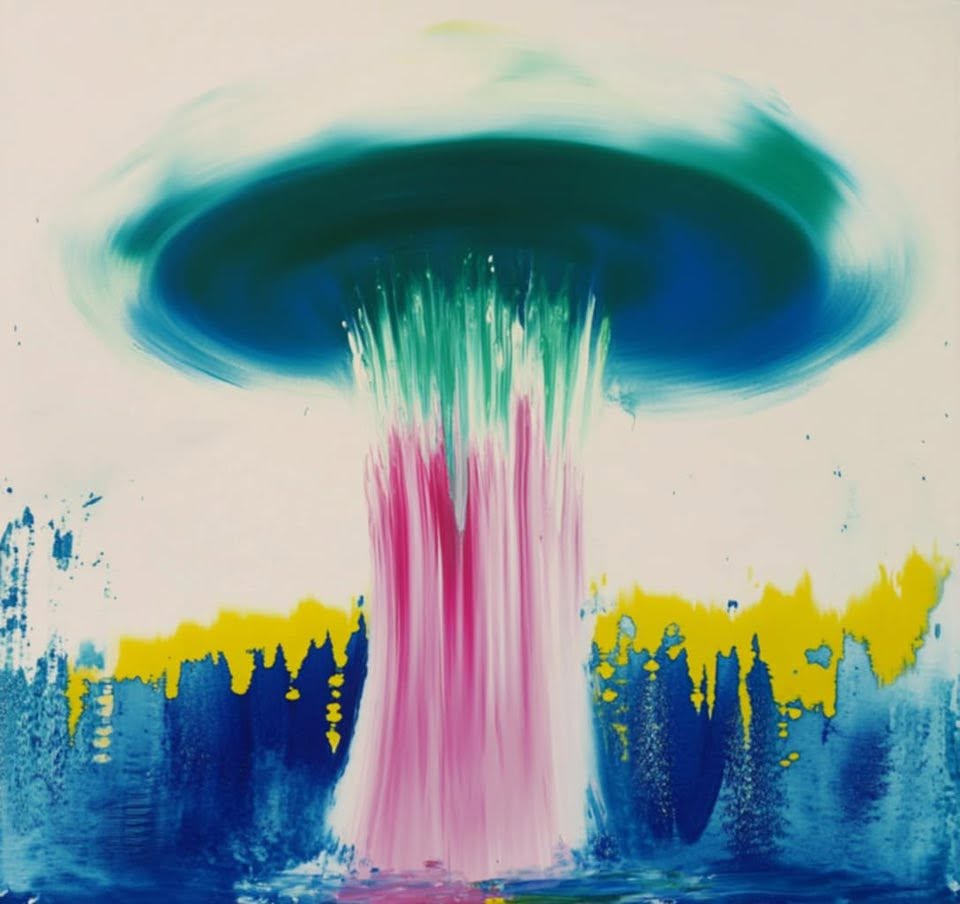
A work of art at a fair is out of context. Therefore, you need to prepare materials about... about the artist, the project, and this specific work much more thoroughly than usual. Even if the artist is very famous, half the people here do not know him.
An art fair is not a step forward in an artist's career. He appeared here by the will of the gallerist, an interested party. But it is here where the success the artist achieved under different circumstances is paid for. Therefore, if a work participated in a museum exhibition, it is a must to bring the catalog. It works.
Yes, it is not a step forward, but it is an important horizontal expansion of space. This is especially crucial for successful artists whose works are already owned by most collectors within the local (national, city) context. Works sold at a fair do not compete with the artist's other works. They act as the artist's ambassadors to other spaces.
A gallerist at a fair is among colleagues. This is very important. Look for like-minded people, those who view art the way you do. Propose exchange projects. In fact, I would do every third exhibition on the principle of exchange with galleries from other countries or cities. Of course, markets are often nationalistic and only buy their own. There is a reason for this. But still, it is vital for a gallery to be international.
It is good if there is a wide price range at your booth. Most visitors are locals (residents of Basel), not professional collectors who traveled there. They actively buy within their income. Give them that opportunity. And here is the financial calculation: cover expenses at the expense of the locals, and if you get lucky with big collectors, make a profit on top.
Bring twice as many works as you need. Square meters are expensive, and if a work was bought on the first day, there is no reason for it to show off with a red dot for more than an hour. Replace it with a new one.
During Art Basel, there are many artists and students in the city. Do not grudge them your time. Explain, tell them stories. But refuse to look at portfolios at the booth. Look at one, and soon there will be a line; they will consume all your time. I hand out a business card and swear that I will look closely when I receive the portfolio by email and provide feedback.
In the end, all buyers claim a 10% discount, so it is better to price it in from the start. Refusing to give a discount is taken as a direct personal insult. Next come the little tricks of experienced buyers: offering to pay the sum of Swiss francs, but in euros. That’s another 4 percent or so. But overall, it is clear that right now it is a "buyer's market."
If the artist you are exhibiting came to Basel, that's good. Let him be at the booth during the opening of the fair; on the other days, agree on a specific hour when he will come, and then you will have the opportunity to promise a collector an introduction to him. The rest of the time, loaded with invitations, let him go to different fairs and exhibitions and invite everyone to your booth.
Update: Forgot to warn you. You will bring half of the works in vain. But you never know in advance which half.



