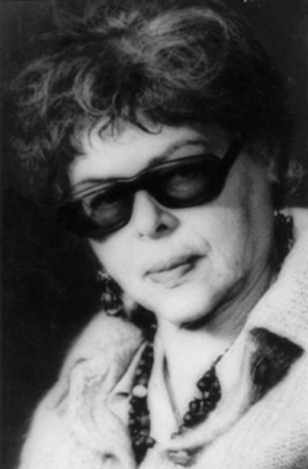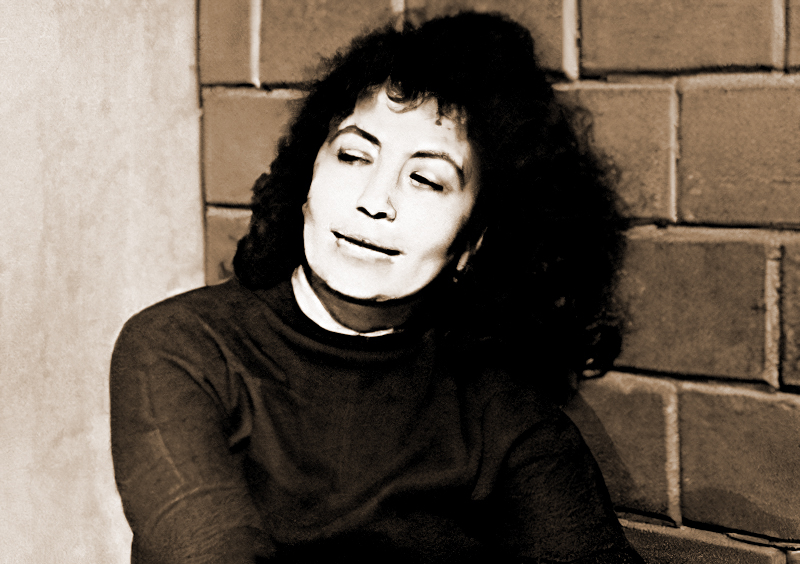
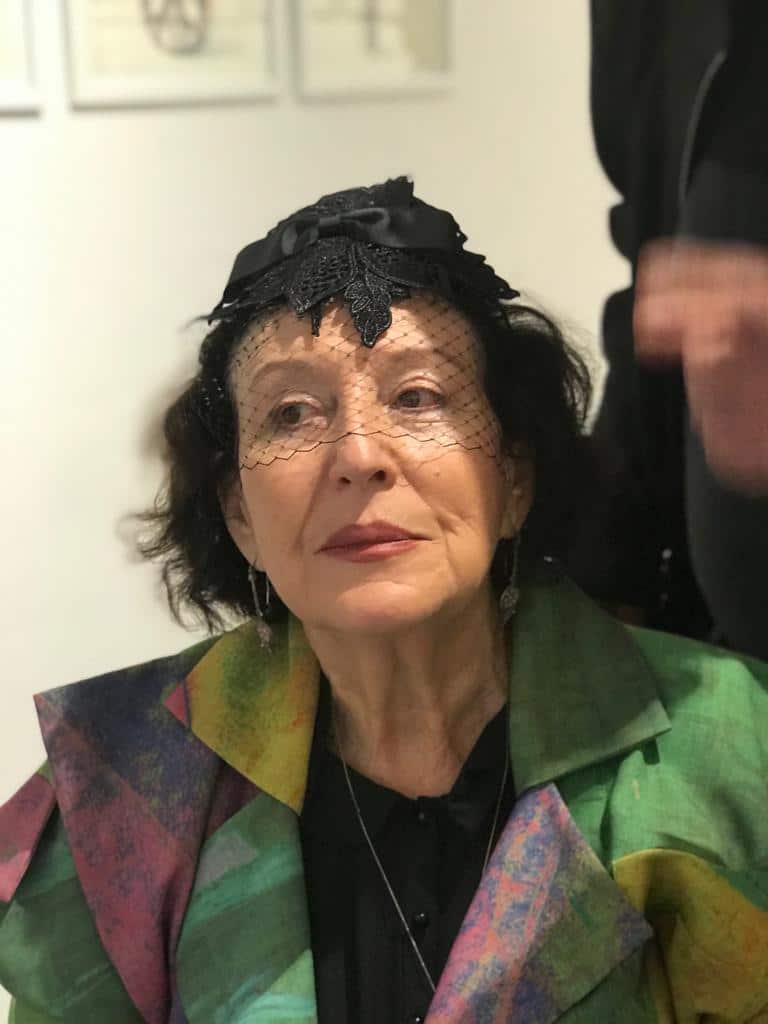
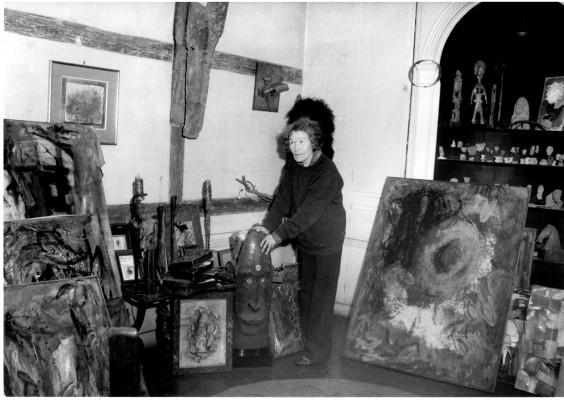
Fira Grecu (born Esfir Brik) was a pioneering ceramicist and costume designer who played a crucial role in modernizing Moldovan applied arts. Born in Constantinople, she was educated in the French and Romanian gymnasiums of Chisinau and Bucharest before her studies at the Academy of Fine Arts were interrupted by World War II. Her arduous journey as a refugee across the Northern Caucasus and into Kazakhstan deeply influenced her artistic sensitivity, fostering a lifelong dedication to the resilience and beauty of folk traditions.
Upon her return to Chisinau after the war, Grecu dedicated herself to ceramics, a field that lacked formal infrastructure in Moldova at the time. To master her craft, she traveled extensively through rural villages, working alongside traditional potters and documenting peasant folk art. Her creative breakthrough came in the 1960s at the legendary Dzintari creative center in the Baltics. It was there that she produced her most celebrated works—sophisticated ceramic pieces that blended ancient Moldovan archetypes with a modern, minimalist aesthetic, now held in the permanent collection of the National Art Museum of Moldova.


Grecu’s influence extended far beyond the pottery wheel. She was a respected consultant for ethnographic documentaries, such as The Ballad of the Masters, and an innovative theater designer, creating costumes for the Luceafarul Theater. Her technical mastery and organizational skills led her to design major exhibitions at the Moscow Manege and serve on the leadership of the Union of Artists of Moldova. In 1971, her work "Decorative Moldavian Columns" received international acclaim at the Ceramics Symposium in Vilnius, solidifying her reputation as a master of large-scale decorative forms.
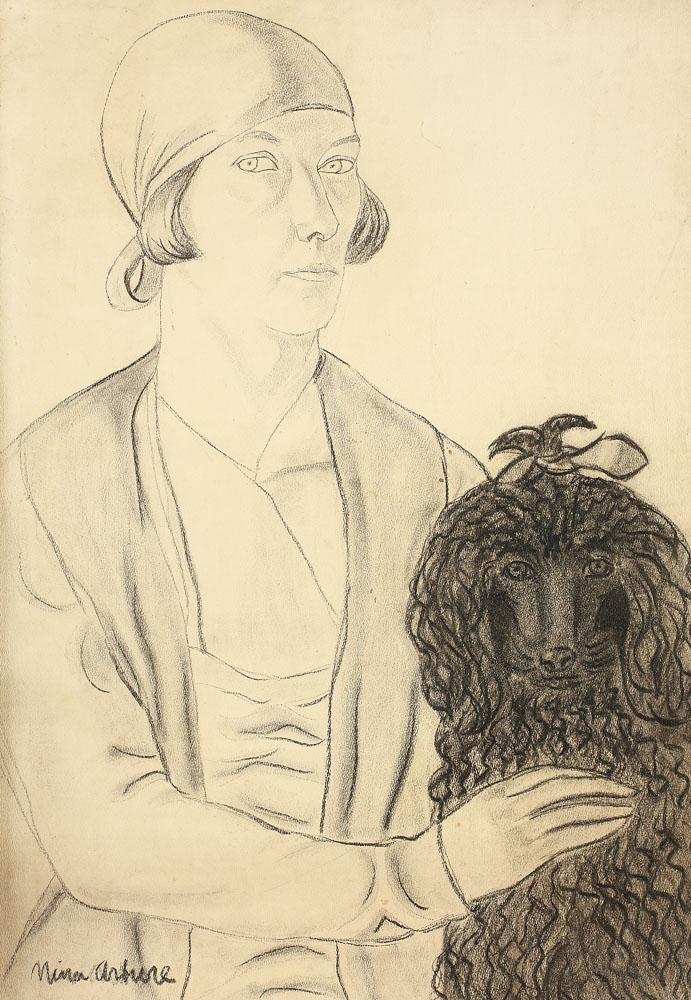
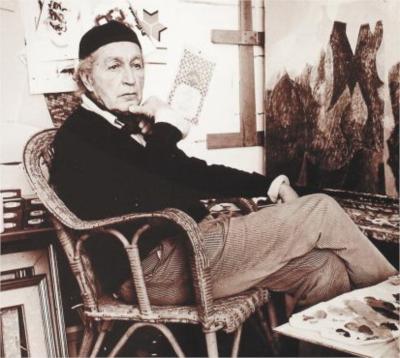
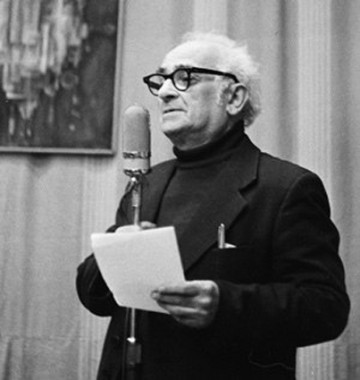
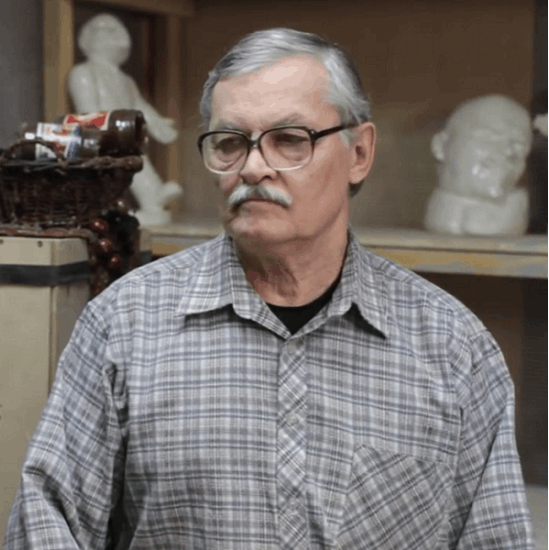
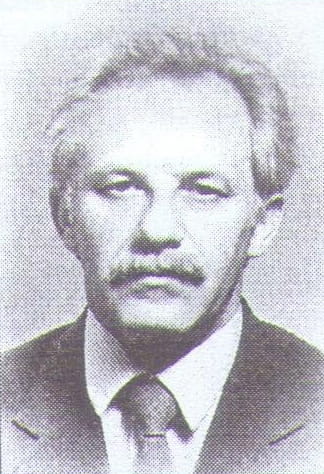
The legacy of Fira Grecu lives on through her family and her contributions to the institutionalization of Moldovan decorative arts. Married to the renowned painter Mihail Grecu, she was part of a formidable artistic dynasty that includes her daughter, Tamara Greku-Peycheva, and son-in-law, Dmitry Peychev. Today, she is remembered as a visionary who elevated traditional crafts to the status of museum art, bridging the gap between rural pottery and international contemporary ceramics.




















.jpeg)