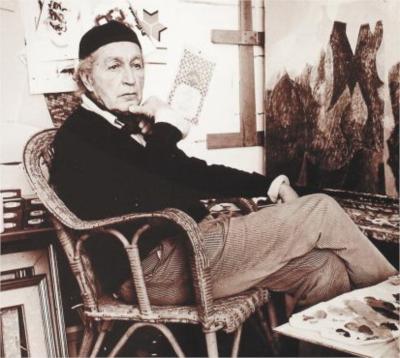
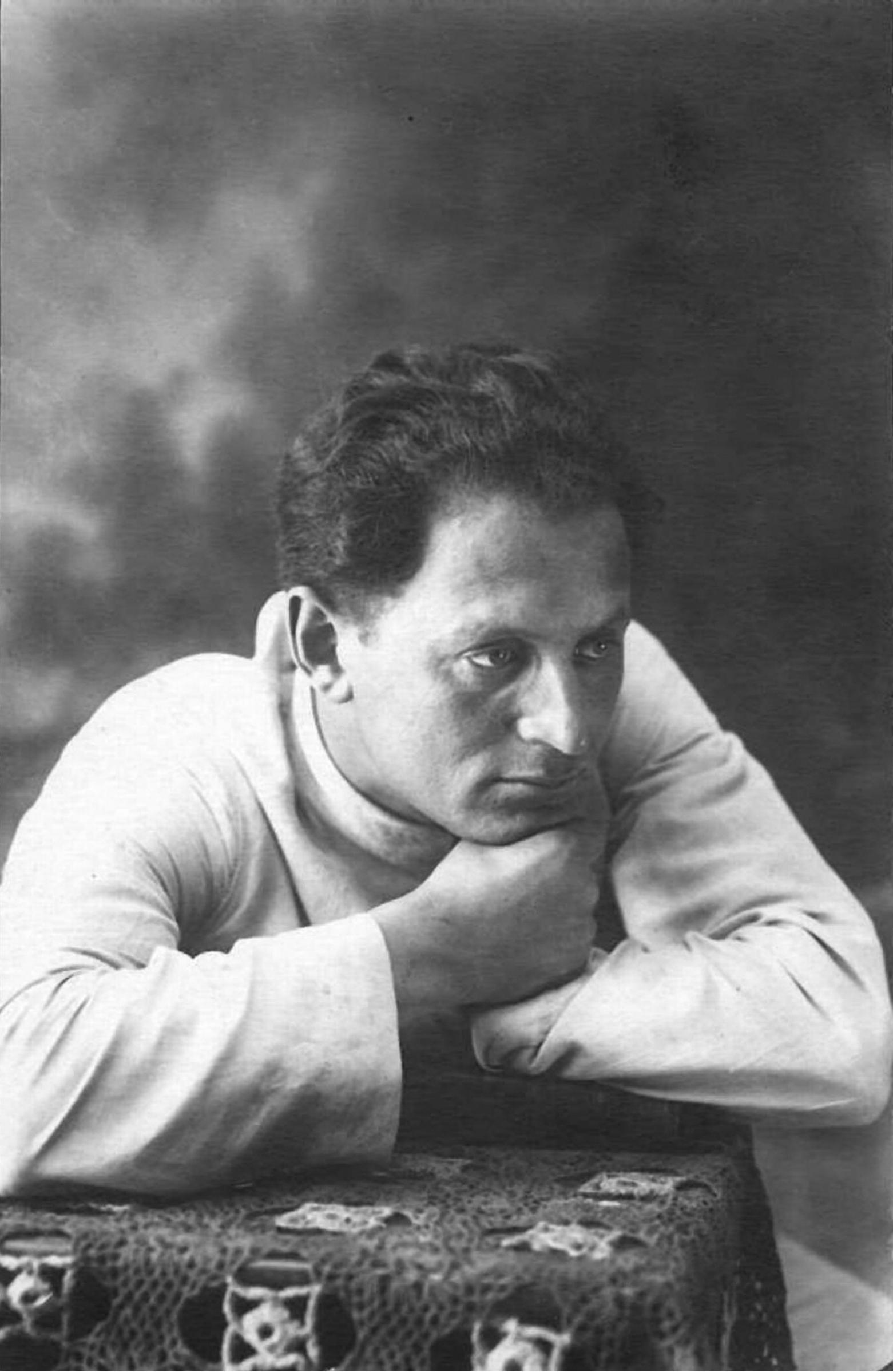
Mikhail Loshakov (born Shloime-Meili, also known as Solomon) was a painter, educator, and theater director whose life journey mirrored the turbulent shifts of the 20th century. Born into a family of photographers in Bessarabia, he initially balanced his visual art studies at the Chisinau City School of Drawing with a passion for Jewish drama. After serving and being wounded in World War I, he returned to his roots, managing his family’s photography studio before seeking broader artistic horizons in the heart of the international avant-garde.
In 1926, Loshakov moved to Paris, joining the vibrant community of the School of Paris for fourteen years. This formative period deeply instilled in him the principles of Post-Impressionism, particularly the structural methods of Paul Cézanne. However, a family visit to Chisinau in 1940 turned into a permanent exile following the Soviet annexation of the region. Evacuated during World War II to the Ural Mountains, Loshakov spent his final years in Chelyabinsk, where he became a pivotal yet controversial figure in the local art scene.
As a teacher and member of the Union of Artists of the USSR, Loshakov introduced a generation of students to "Cézannism"—a method focusing on the construction of solid, geometric forms through color contrasts rather than traditional chiaroscuro. By emphasizing the "cylinder, the sphere, and the cone," he offered a radical alternative to the emerging doctrine of Socialist Realism. His refusal to abandon these Western formalist traditions led to severe ideological persecution during the late 1940s.
Today, Mikhail Loshakov is remembered as a courageous bridge between the aesthetic innovations of early 20th-century France and the isolated artistic landscape of the Soviet hinterland. His legacy lives on through his students and his commitment to an art form that prioritized subjective perception and structural integrity over political utility.



















.jpeg)