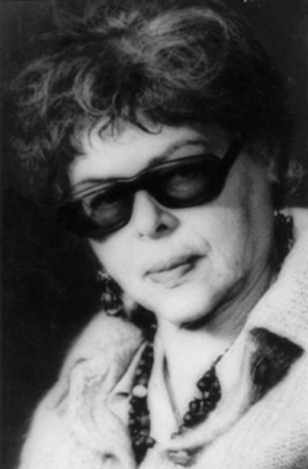
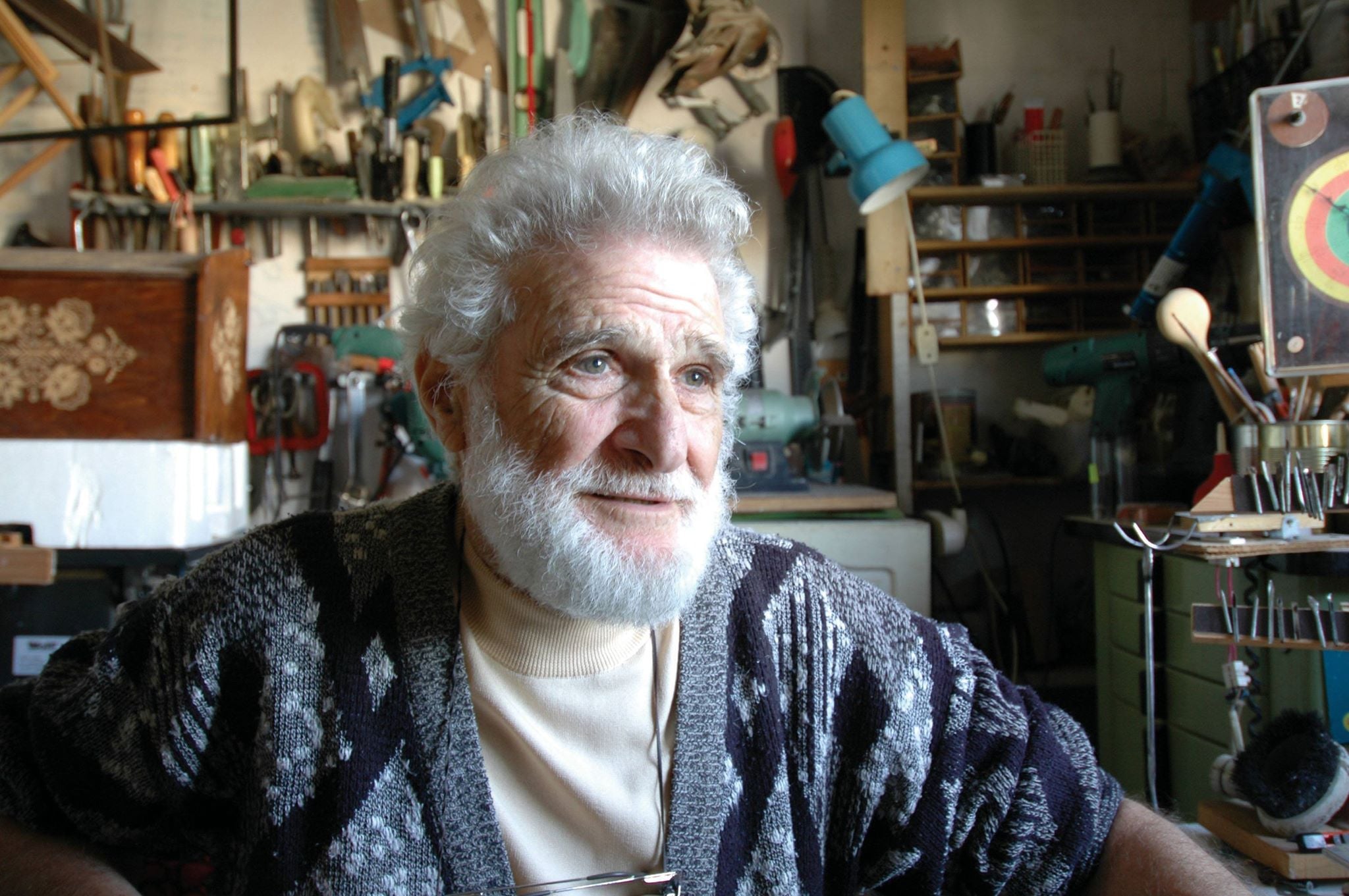
Joseph Rosenthal was a distinguished sculptor, painter, and illustrator who became a central figure in the Canadian modernist movement. Born in Moldova, he immigrated to Toronto with his parents in 1927, where his talent was recognized early; at just twenty-one, he won a national poster competition with his wartime piece, "Everyone's Striving for Victory." Following his service in the Canadian Army during World War II, where he earned top honors at the Army Art Exhibition, he refined his craft at the Ontario College of Art and Design.
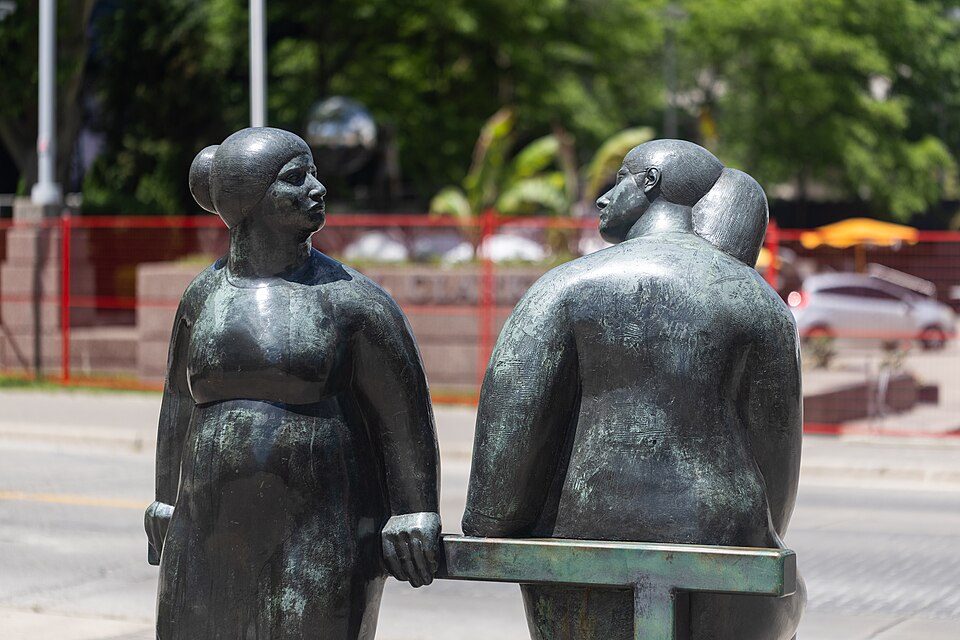
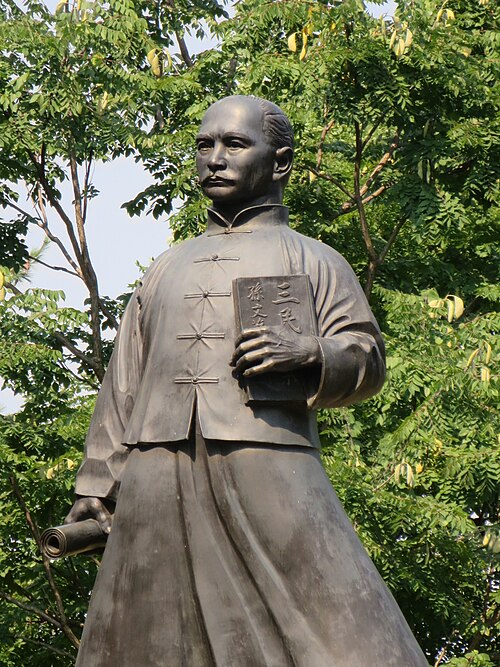
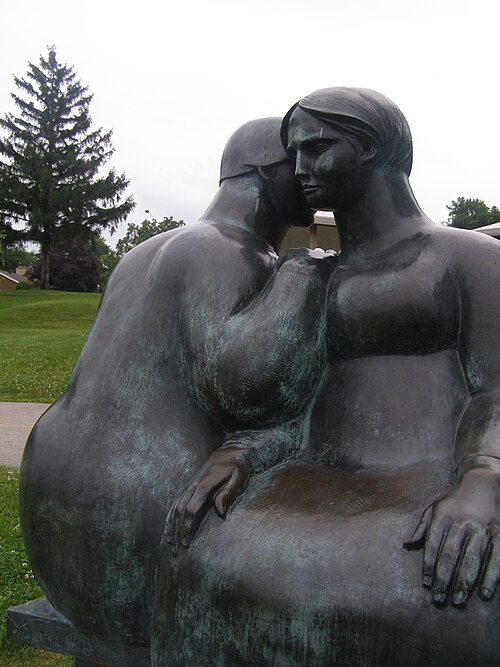
Rosenthal is best known for his monumental bronze sculptures, characterized by their imposing physical presence and deep exploration of human relationships. His massive works, such as the iconic "Neighbors" at St. Michael's College (University of Toronto) and the grand monument to Dr. Sun Yat-sen in Riverdale Park, reflect a stylistic resilience and a commitment to structural permanence. These public installations established him as a premier monumentalist, earning him the prestigious Rabin International Prize for Sculpture in Los Angeles.

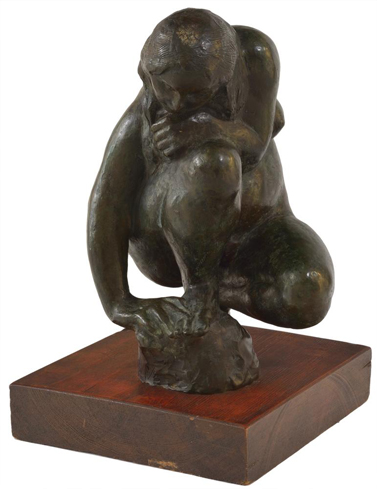
Beyond his monumental work, Rosenthal was a dedicated observer of the human condition and a prolific graphic artist. In 1969, supported by a grant from the Canada Council for the Arts, he embarked on a three-month journey to document the lives of Canada’s Aboriginal peoples, producing an extraordinary collection of over 600 sketches. This ethnographic sensitivity, combined with his work as a book illustrator and magazine designer, showcased his versatility as a visual storyteller who could master both the intimate sketch and the colossal bronze cast.
A member of the Royal Canadian Academy of Arts and the Ontario Society of Artists, Rosenthal was also deeply embedded in a milieu of social and political activism. His family life was intertwined with the Canadian socialist movement, and his wife, Joyce Rosenthal, was a prominent activist for women's rights and healthcare. Today, Joseph Rosenthal’s legacy is preserved through his 14 solo exhibitions and the permanent presence of his sculptures in Toronto's parks and public squares, symbolizing the enduring strength of the immigrant contribution to Canadian cultural identity.



















.jpeg)