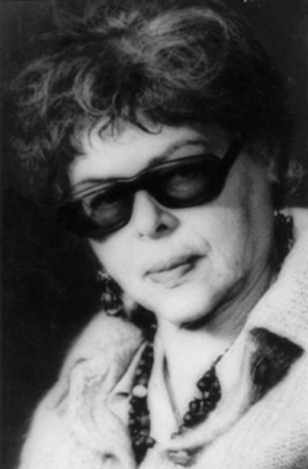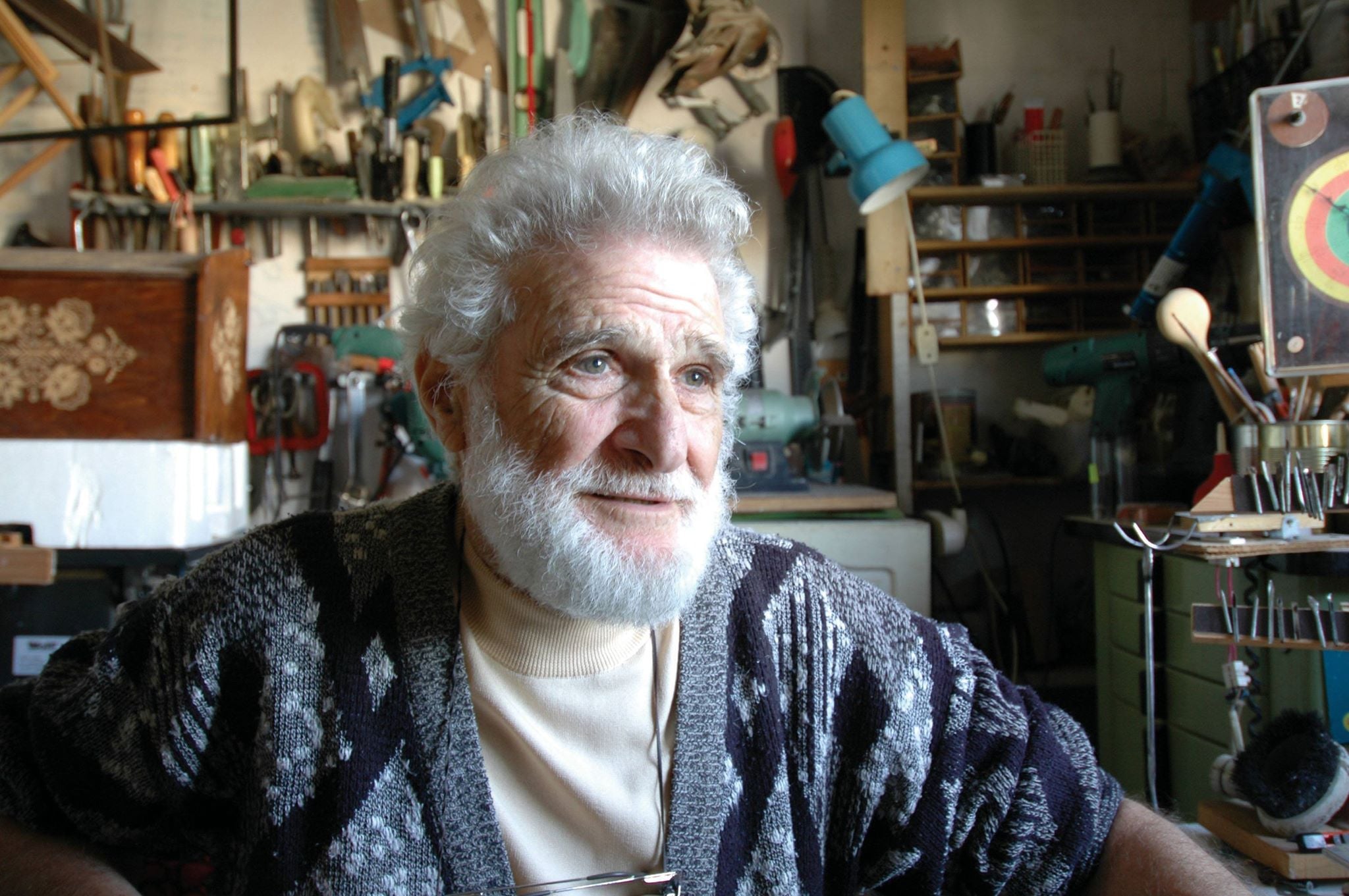
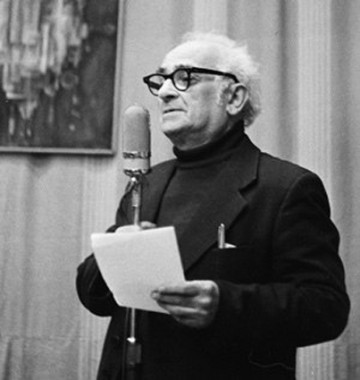
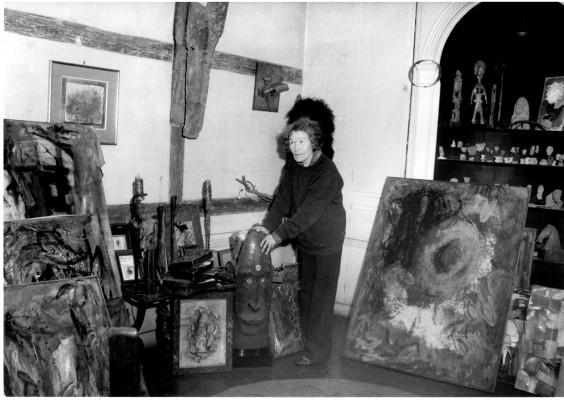
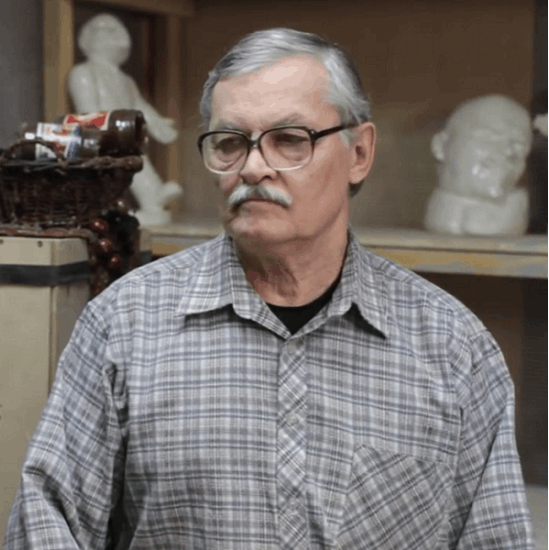
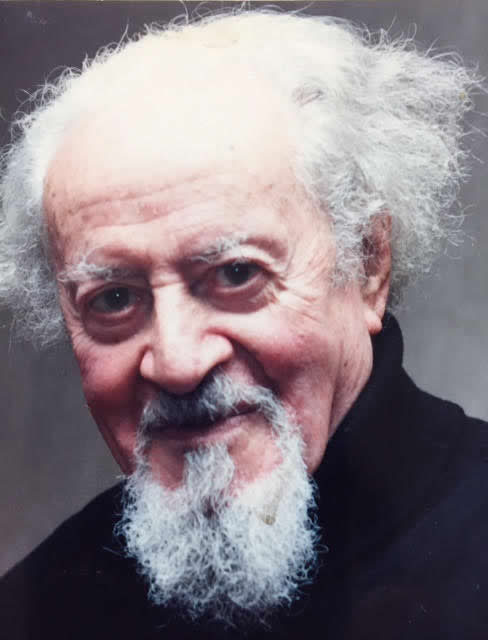
Naum Epelbaum is a Moldovan monumental sculptor and author of iconic memorial and public works that played a vital role in the artistic landscape of Moldova in the second half of the 20th century. Born in 1927 in Akkerman (Bessarabia), he received his artistic education in Chisinau at the Repin Art School, followed by the Mukhina Higher School of Art and Industry in Leningrad.
Epelbaum's work is rooted in the tradition of monumental sculpture, where plastic expressiveness blends with historical memory and humanistic themes. His most famous works include the Monument to the Liberation of Chisinau, the Memorial to the Victims of the 1903 Chisinau Pogrom, the Monument to the Prisoners of the Chisinau Ghetto, and the "Victims of Fascism" memorial complex in Dubasari. Many of his projects were created in collaboration with the architect Semyon Shoikhet.


Themes of memory, tragedy, and human dignity hold a special place in his art. His works are characterized by rigorous form, emotional depth, and focus on the human inner state. Since the early 1990s, Naum Epelbaum lived and worked in Israel, continuing his creative practice. His sculptures are held in museum and private collections. The artist passed away in 2019 in Bat Yam.



















.jpeg)