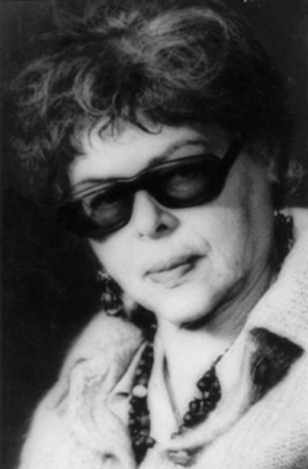
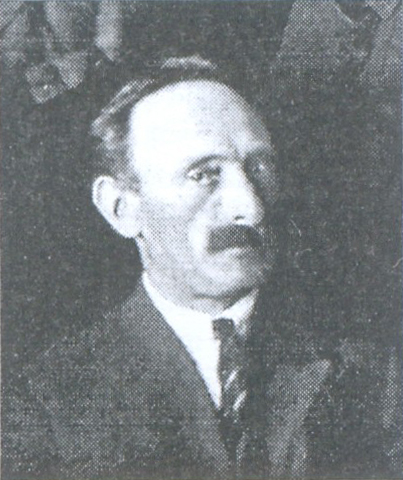
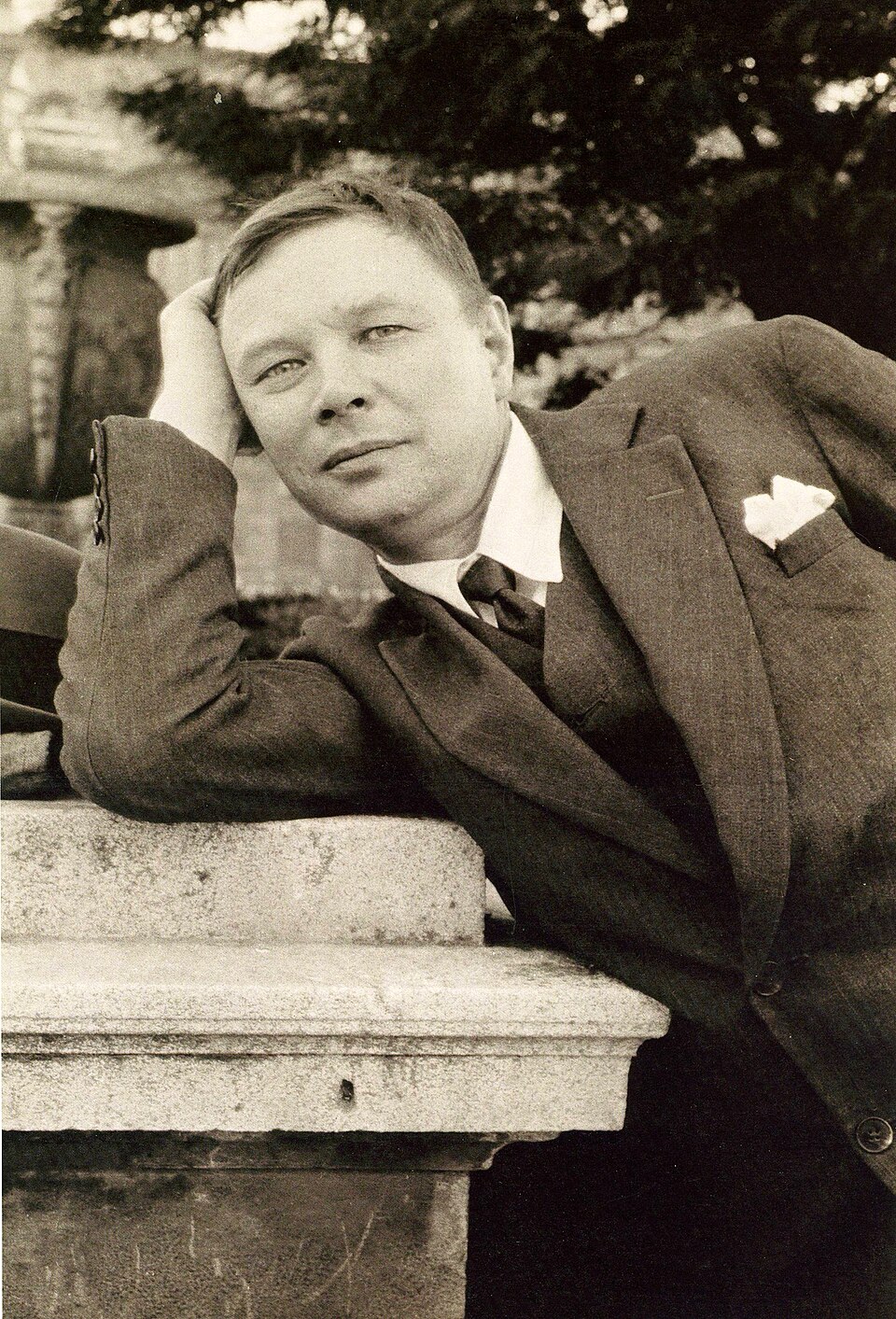
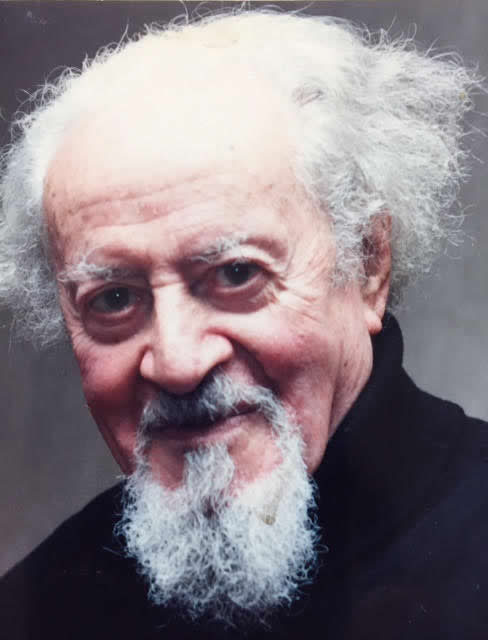
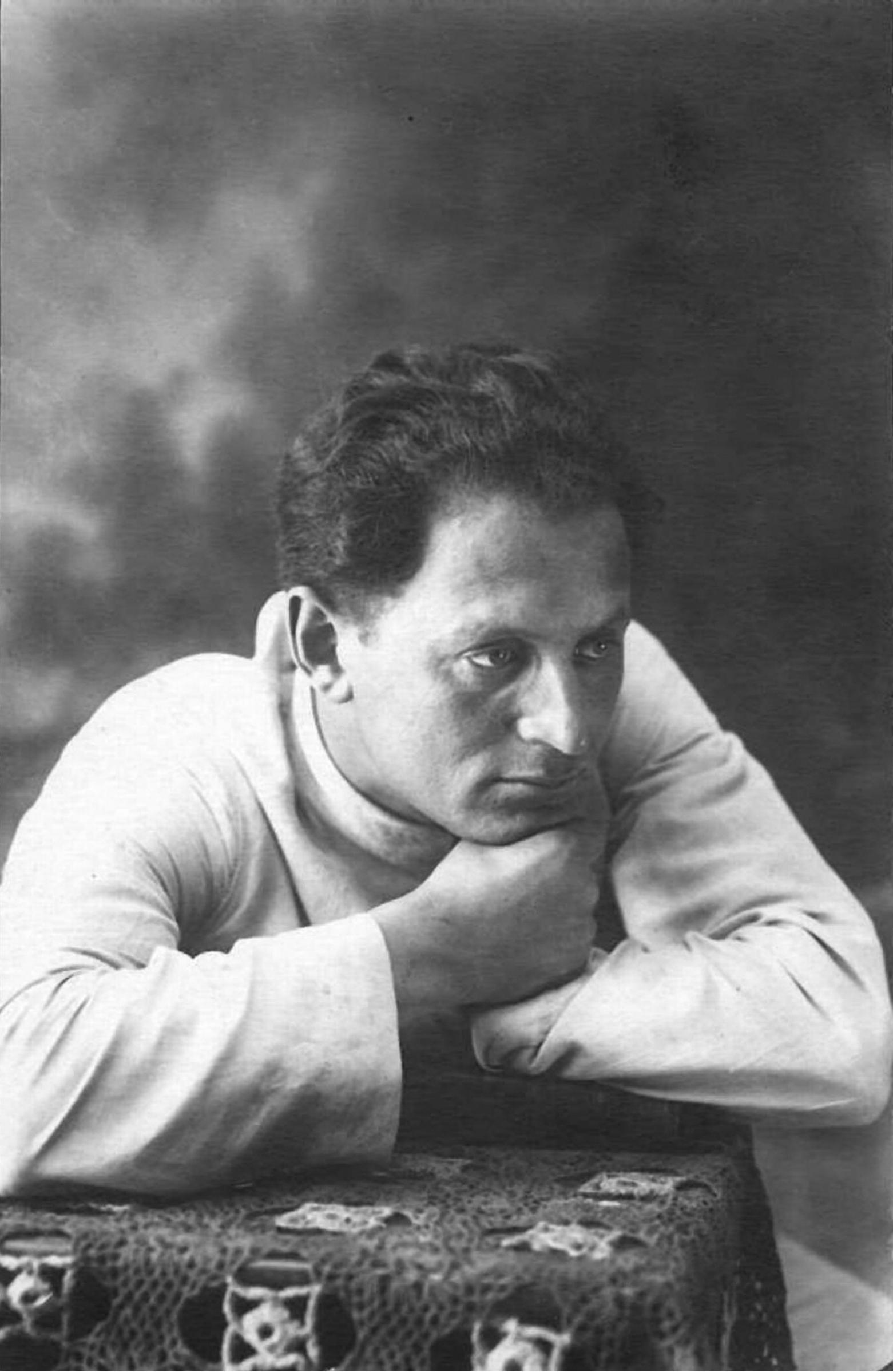
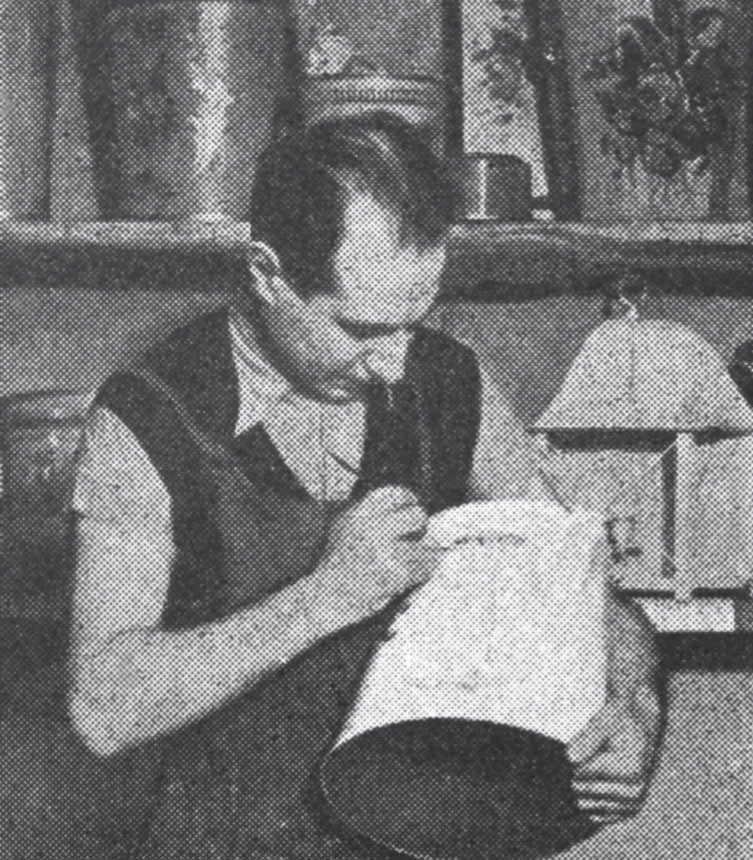
Moissaye Marans was a distinguished American monumental sculptor whose work blended the structural precision of chemical engineering with the expressive emotionality of the Rodin tradition. Born in Chisinau, he traveled extensively across Europe in his youth before studying engineering in Iasi and Bucharest. However, his true calling lay in the fine arts, leading him to immigrate to the United States in 1924. He embarked on a rigorous academic journey through America’s premier institutions, including Cooper Union, the National Academy of Design, and the Pennsylvania Academy of Fine Arts, where he studied under masters like Robert Aitken and Charles Grafly.
During the Great Depression, Marans became a vital contributor to the Federal Art Project (FAP), creating monumental works that defined the public landscape of the era. His mastery of low-relief panels and surface modulation—ranging from polished stone to tactile bronze—earned him prestigious commissions, including allegorical reliefs for post offices in Pennsylvania and Ohio. His international standing was solidified at the 1939 New York World’s Fair, where his sculptures "Eloquence" and "Friendship" stood as powerful symbols of international harmony during a period of rising global tension.


Marans’s later career was deeply defined by his spiritual and ethical concerns, often drawing from his Jewish heritage and biblical narratives. His iconic composition "Swords into Plowshares," depicting the prophet Isaiah on the facade of the Community Church in New York City, achieved historic significance when it was adopted as the emblem for the United States Atomic Energy Commission. His ability to translate ancient themes of salvation, law, and hope into modern architectural contexts made him a sought-after artist for major religious institutions, from the First Presbyterian Church in Wisconsin to prominent synagogues in Pittsburgh and Houston.
A dedicated educator and leader in the artistic community, Marans served as the secretary of the National Sculpture Society and taught at Brooklyn College for nearly two decades. Today, Moissaye Marans is remembered as an artist who bridged the gap between the Old World’s mystical traditions and the New World’s monumental aspirations. His legacy endures in the public squares, botanical gardens, and sacred spaces of America, where his figures continue to embody a timeless struggle for peace and human dignity.



















.jpeg)