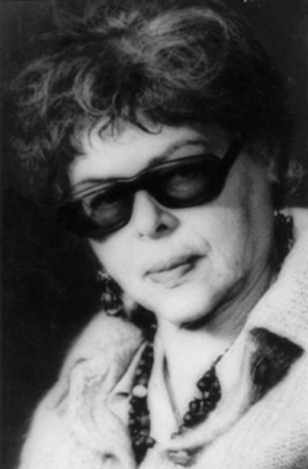
Siegfried Polinger (born Zalman Polinger) was a prolific graphic artist and caricaturist whose career bridged the dynamic media landscapes of interwar Bucharest and post-war Chisinau. Born in Bessarabia, he began his journey in Romania, where he established himself as a sharp-witted cartoonist for major newspapers and publishing houses like "Scrisul Românesc." Following the annexation of Bessarabia in 1940, he returned to Chisinau and immediately became a member of the USSR Union of Artists, marking the beginning of his influential role in regional graphic design.
Polinger’s wartime years were spent in evacuation in Alma-Ata, after which he returned to Chisinau to rebuild the local artistic scene. A master of visual satire, he contributed to renowned magazines such as "Krokodil" and "Ulenspiegel," while also dedicating decades to children’s literature and educational media. His formal education was completed at the Moscow Polygraphic Institute (1970), specializing in printed art design—a credential that solidified his expertise in the structural and aesthetic layout of complex publications.
Throughout the 1950s and 60s, Polinger held pivotal editorial roles, serving as the art editor for national children's magazines and taking responsibility for the monumental task of designing the Moldavian Encyclopedia. His mastery of the "game of lines"—as his later exhibitions were titled—allowed him to balance sharp political caricature with sophisticated book illustration, making him a household name in the fields of journalism and fine arts alike.
Siegfried Polinger’s legacy has been celebrated with major retrospectives, including a landmark exhibition of caricatures and satirical posters at the National Museum of Art in Chisinau and a 2013 international showcase in Lübeck, Germany. He remains a key figure in the history of Moldovan graphic art, remembered for his wit, his technical precision, and his enduring contribution to the visual language of the 20th-century press.






















.jpeg)