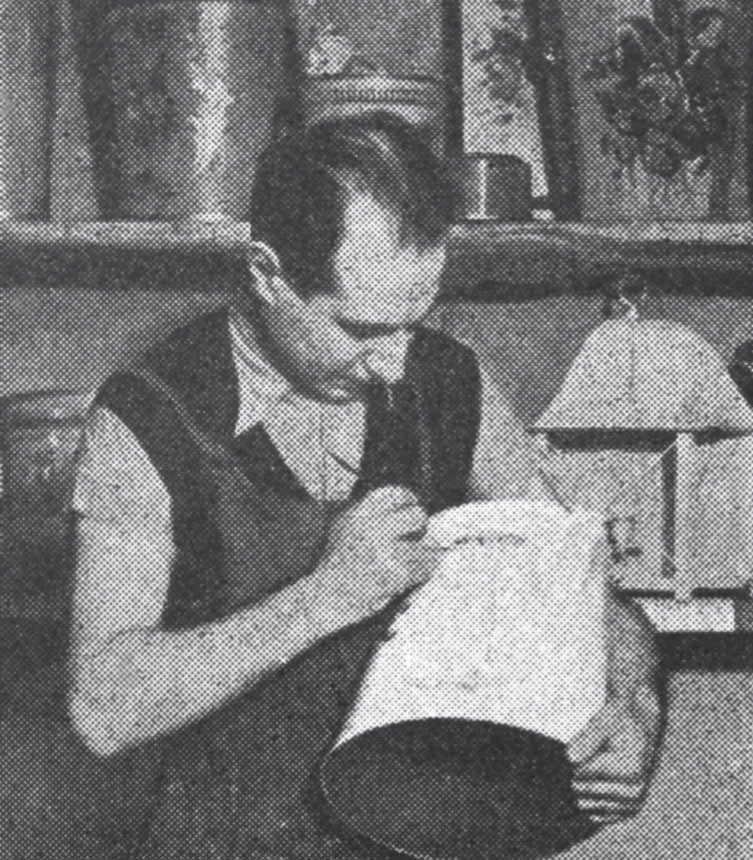
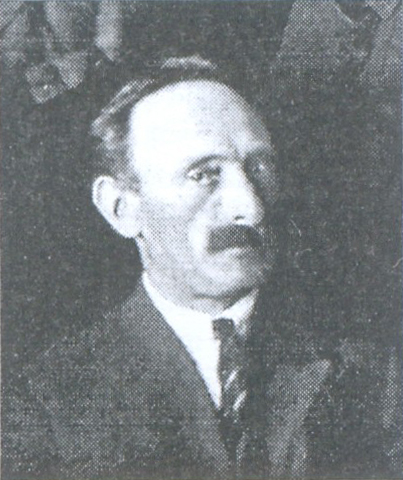
Felix Roitman (born Efim Roytman) was a distinguished decorative artist and a prominent figure in the Parisian Art Deco movement. Born into a merchant family in Chisinau, he received his initial artistic training under the influential master Auguste Baillayre. After graduating in 1922, Roitman pursued further studies at the School of Fine Arts in Berlin before settling in Paris in 1925. There, he refined his craft at the prestigious École Nationale Supérieure des Arts Décoratifs under the mentorship of Paul Colin, joining a vibrant circle of Bessarabian artists who helped define the aesthetic of interwar France.
By 1926, Roitman had established himself as a versatile master of applied arts, specializing in the creation of high-end glass, wood, and metalwork. His elegant vases, lamps, and furniture pieces were highly sought after by Parisian antique dealers and collectors, embodying the sleek sophistication of the era. His career reached a significant milestone in 1937 when he was awarded an honorary medal for his design of the Eretz Israel pavilion at the Paris World’s Fair—a project that showcased his ability to blend modern architectural trends with cultural identity.
Roitman was also a dedicated member of the Bessarabian Jewish community in Paris and a man of great courage. During World War II, he served as a veteran of the French army and later joined the French Resistance following the country's defeat. His defiance of the Nazi occupation led to his arrest; he was imprisoned in the Santé prison and later interned in the Tourelles and Drancy transit camps. Tragically, as part of the systematic deportation of Jews from France, he was sent to the Ottmuth extermination camp in September 1942, where he was murdered in early 1944.
Today, Felix Roitman is remembered as an artist who bridged the gap between industrial design and fine art. His contributions to the 1937 World’s Fair and his refined Art Deco objects remain testament to a career of immense promise that was cut short by the horrors of the Holocaust. His legacy is preserved within the history of the Bessarabian diaspora in Paris and serves as a poignant reminder of the vibrant cultural life that thrived in the city before the darkness of the war years.






















.jpeg)