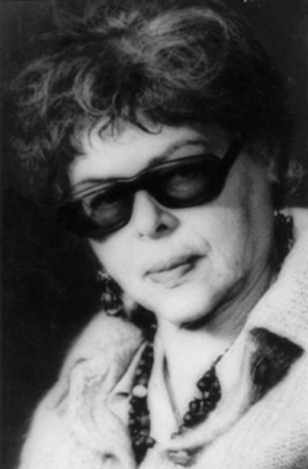
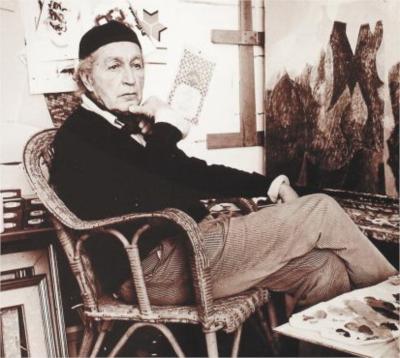
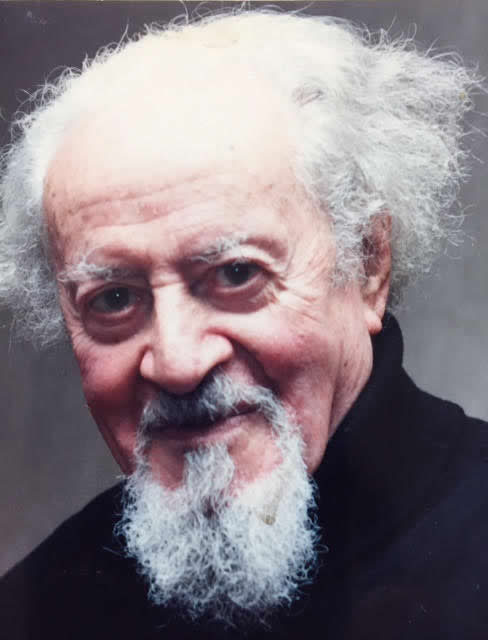
Marcel Janco was a titan of the 20th-century avant-garde—a co-founder of Dadaism, a pioneer of Constructivist architecture, and the visionary behind the Ein-Hod artists' village. His journey began in Bucharest, where his early talent led him to co-publish the literary magazines "Simbolul" and "Chemarea," immersing him in the Romanian Symbolist elite and fostering a lifelong creative partnership with Tristan Tzara.
In 1915, Janco moved to Zurich to study architecture, but he soon found himself at the heart of a cultural revolution. alongside Hugo Ball, Hans Arp, and Tristan Tzara, he co-founded the Dada movement at the Cabaret Voltaire. Janco was the "visual engine" of Dada, creating the iconic paper costumes and geometric masks that defined the movement's aesthetic. He also joined "Das Neue Leben" (New Life), a radical association of artists striving for a total break with traditional conservatism.


During the interwar period, Janco became a pioneer of Constructivism in Romania, influenced deeply by Theo van Doesburg. Applying Constantin Brâncuși’s theories of spiritual form to architecture, he founded the "Office of Modern Studies." He designed over forty buildings in Bucharest, including the iconic Villa Fuchs (1927). His architectural work, though often categorized as International Style, maintained a striking individualism that merged avant-garde principles with functional modernism.
As a self-described "cosmopolitan Jew," Janco faced rising nationalism and the radical right in Romania. Following the 1941 pogroms, he emigrated to Eretz Israel, where he entered government service as a park planner while continuing his prolific work in painting and scenography. Drawing on his Cabaret Voltaire experience, he designed sets and costumes for Habima and other theaters, believing in the profound cross-fertilization of the plastic and performing arts.
The "final act in the spirit of Dada" came in 1953, when Janco initiated the creation of the Ein-Hod artists' village at the foot of Mount Carmel. He planned the site and settled there with a community of creators, transforming the village into a thriving center for contemporary art. In 1983, the Janco Dada Museum was opened in Ein-Hod, serving as a permanent home for his legacy and a platform for new generations of artists continuing the Dadaist tradition of innovation and rebellion.



















.jpeg)