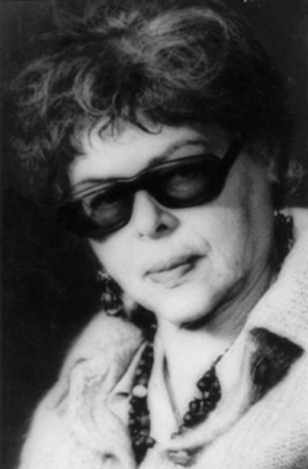
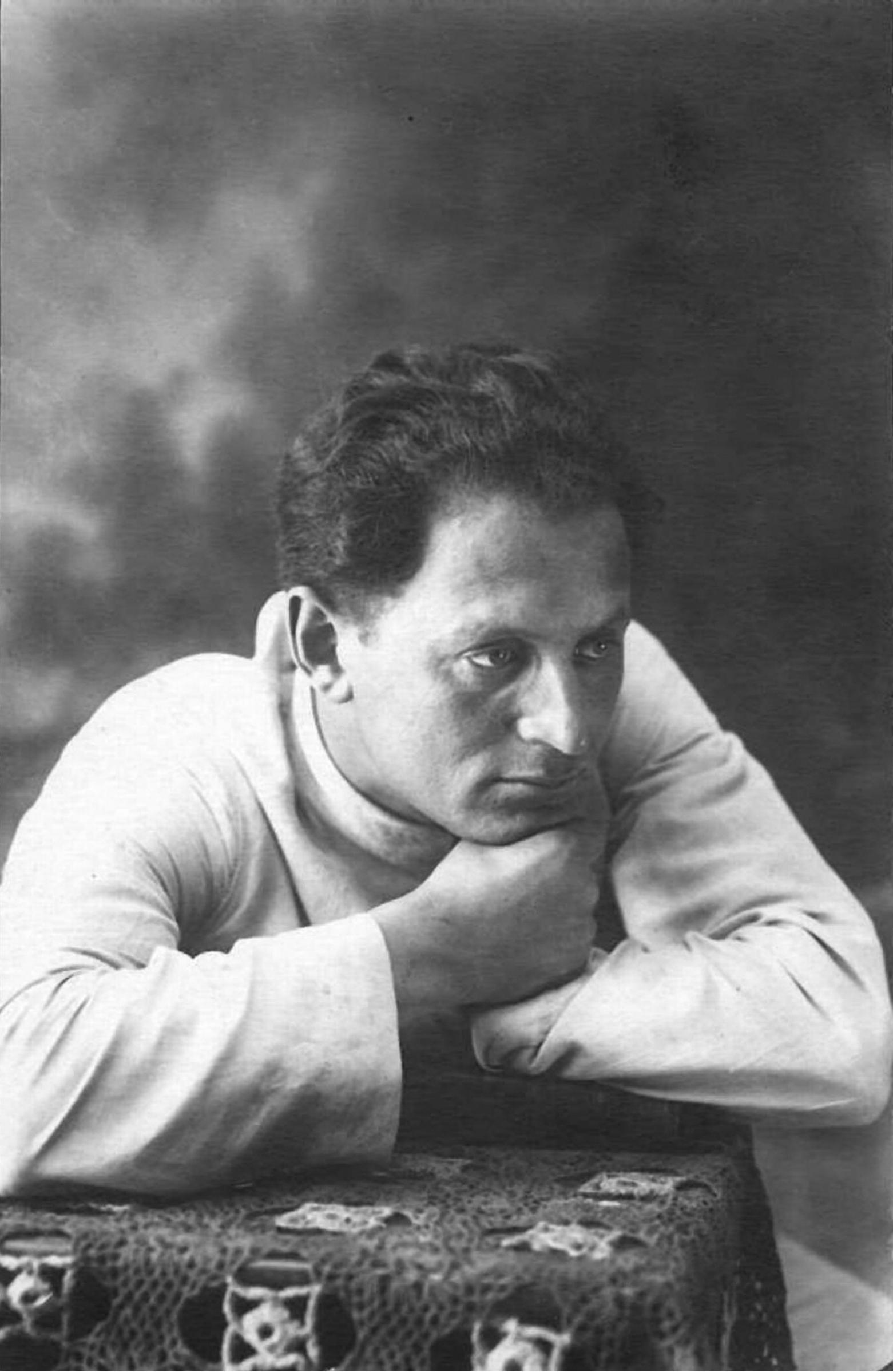
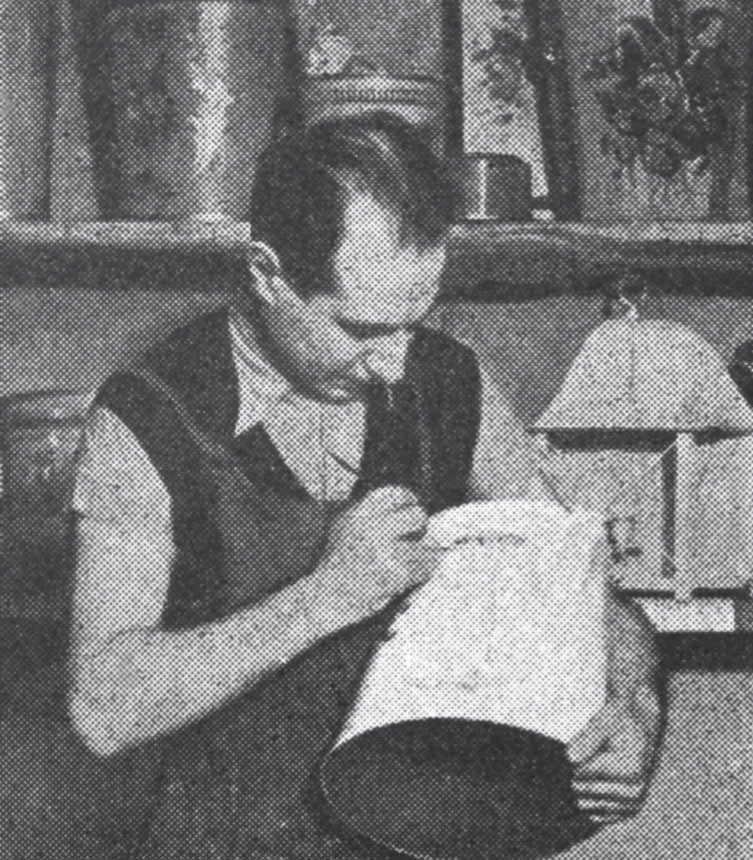
Nyuma Patlajan (born Nohem Ber Patlajan) was a distinguished sculptor and scholar of human morphology whose work bridged the gap between classical European sculpture and scientific inquiry. Born into a talented Jewish family in Chisinau, his early studies at the city drawing school under Vladimir Okushko were tragically interrupted by the 1905 pogrom, which left his father blind. Despite these hardships, Patlajan’s early talent as an illustrator of Yiddish children's books caught the attention of the philanthropist Baron Horace Ginzburg, who enabled him to study in Geneva. It was there that he formed a profound, lifelong friendship with the legendary writer Sholem Aleichem, eventually creating a celebrated bust of the author that is now preserved at the YIVO Institute.
In Paris, Patlajan refined his craft in the studio of Aristide Maillol and established himself as a prominent portraitist of the era’s political and cultural elite. His portfolio included busts of Alexander Kerensky, Pavel Milyukov, and Gustav Mahler, as well as the tombstone of the linguist Abbé Rousselot at the Père Lachaise Cemetery. By the 1920s, however, his interests shifted toward the emerging field of human morphology—the study of the form and structure of the human body. His expertise in this area led to prestigious lecture engagements at the Sorbonne and later at American institutions like Johns Hopkins and Columbia University.
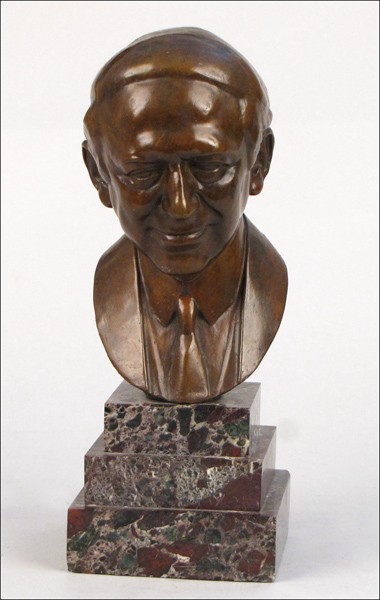
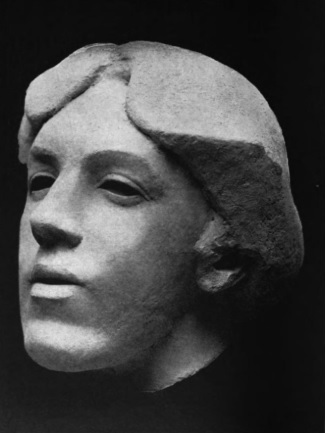
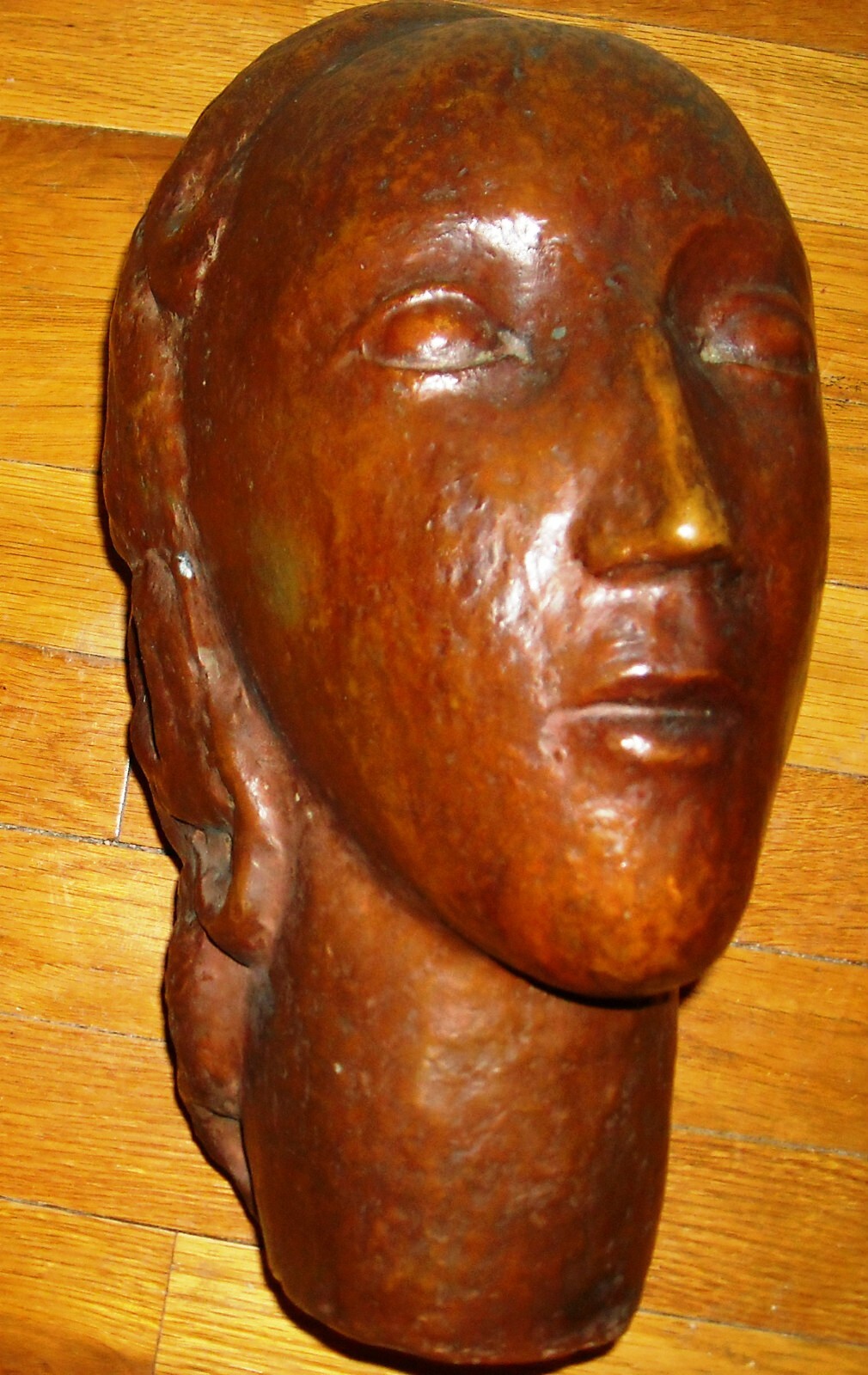
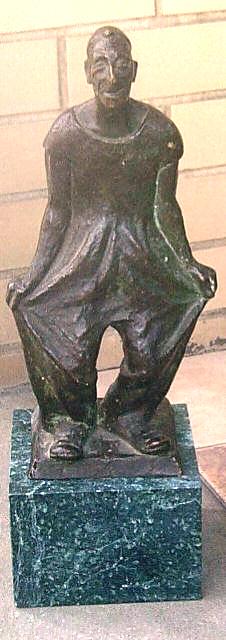
In 1934, Patlajan’s scientific and artistic interests converged when he was commissioned to lead an expedition to French North Africa to document various racial and ethnic types. This perilous journey provided him with a wealth of material that further fueled his role as the President of the Aesthetics Section of the Society for the Study of the Human Form. His work during this period reflected a unique "scientific aestheticism," where the precision of an anthropologist met the soul of a sculptor. In 1939, shortly before the upheaval of World War II, he became a member of the Masonic society, adding another layer to his complex intellectual profile.
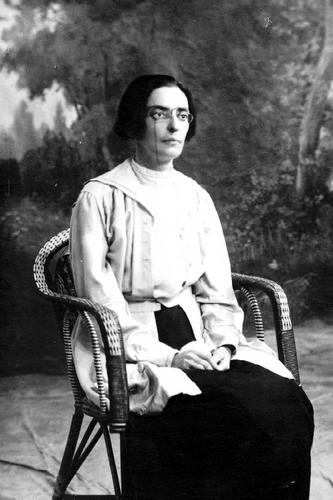
Facing the rising threat of the war, Patlajan emigrated with his family to the United States, where he continued to collaborate with major art schools and academic institutions. Although he returned to France shortly before his death in 1961, his legacy remains international. He was part of a remarkable family of artists, including his brothers Gabriel Spat (Solomon) and Alexander Patlajan, the latter a gifted caricaturist. Today, Nyuma Patlajan is remembered not only for his masterful bronzes but as a pioneer who sought to understand the mathematical and aesthetic secrets of the human form.



















.jpeg)