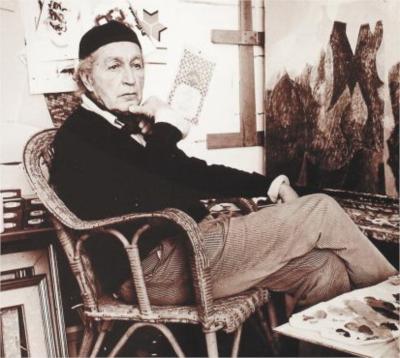
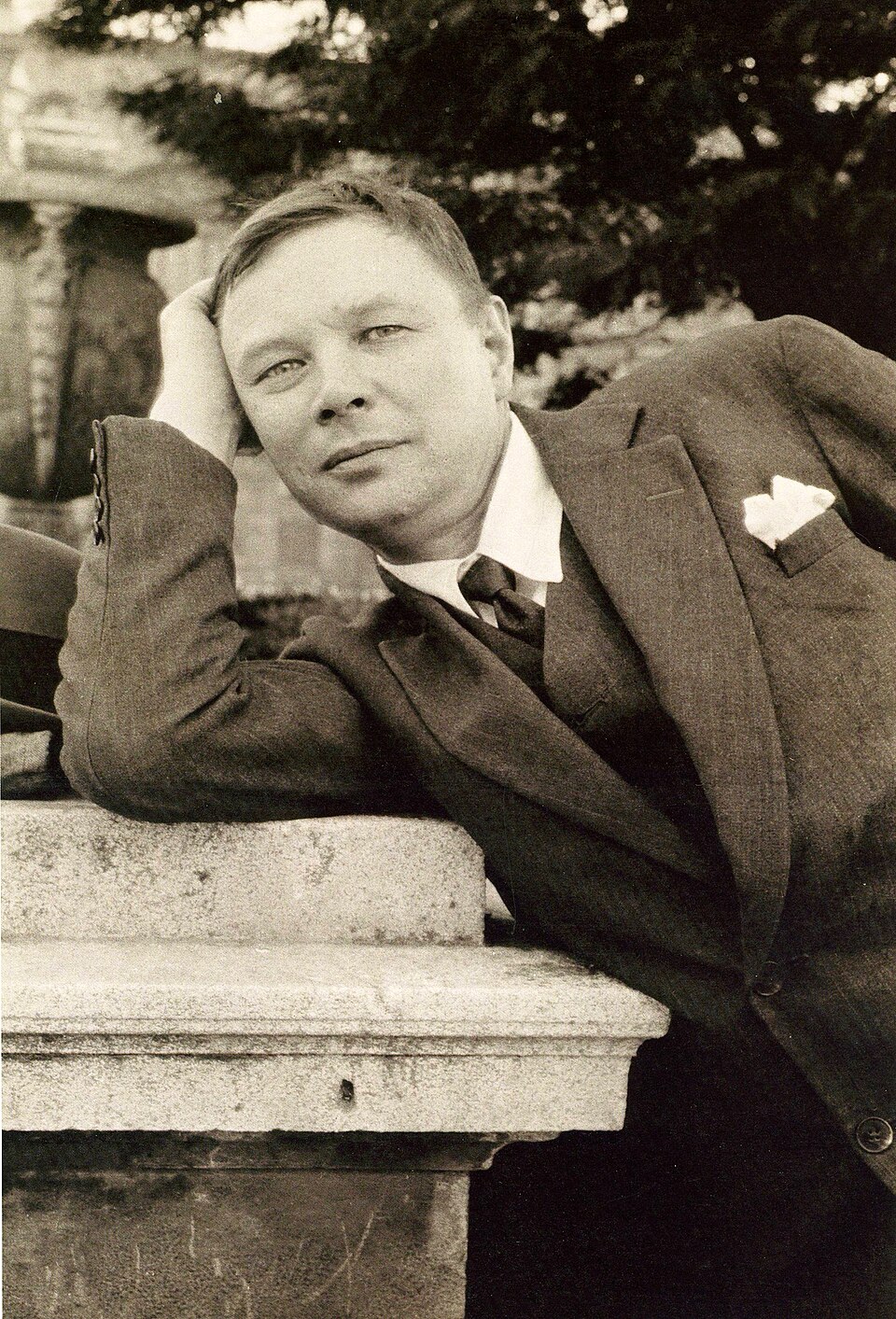
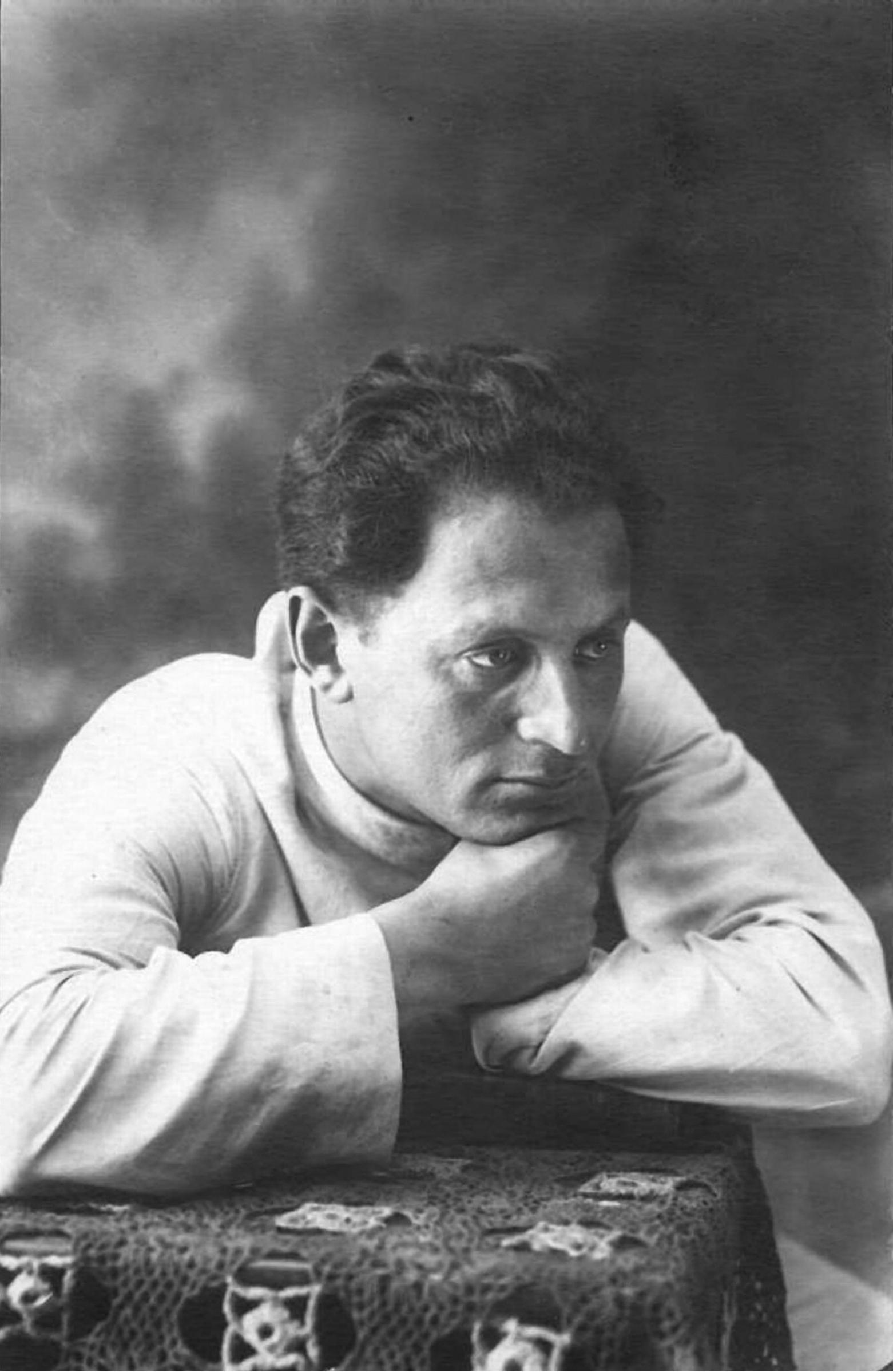
Reuven Rubin (born Reuven Zelikovich) was a foundational figure in Israeli art, serving as a pioneer of the "Eretz Yisrael" style that defined the visual identity of Mandatory Palestine. Born in Romania and raised in Fălticeni, he embarked on an international artistic odyssey at a young age, studying at the Bezalel School in Jerusalem and the École des Beaux-Arts in Paris. After a significant period in Chernivtsi and a successful debut in New York at the Anderson Gallery, Rubin settled in Tel Aviv in 1922, becoming a driving force behind the Association of Painters and Sculptors of Eretz Israel.
Rubin’s early style was a luminous fusion of modernism and local tradition, influenced by the structural clarity of Cézanne, the "naive" purity of Henri Rousseau, and the solemnity of neo-Byzantine art. His canvases from the 1920s and 30s are iconic celebrations of the landscape, focusing on the sun-drenched hills of Galilee and the spiritual aura of Jerusalem. He frequently depicted the diverse people of the land—Yemenite Jews, Hasidim, and Arabs—with a lyrical intensity that captured the pioneering spirit of the era. His prominence was so great that his solo exhibition in 1933 was the first ever held at the newly opened Tel Aviv Museum of Art.


The artist’s life was inextricably linked with the birth of the State of Israel, both culturally and diplomatically. Caught in the United States during World War II, he returned to the Middle East in 1946 and subsequently served as Israel's first envoy plenipotentiary to Romania from 1948 to 1950. During this period, his artistic language underwent a profound transformation, moving away from his earlier figurative approach toward a more ethereal, Symbolist style. This evolution culminated in major public commissions, such as the stained-glass windows for the President’s Residence in Jerusalem, created in 1969.
Awarded the Israel Prize in 1973 for his monumental contributions to art, Reuven Rubin remains a towering figure in the nation's cultural history. Today, his legacy is preserved in the Rubin Museum, established in his former home in Tel Aviv, as well as in the permanent collections of the Israel Museum and the Tel Aviv Museum of Art. His work stands as a testament to the power of art to cultivate a sense of place and national belonging, bridging the gap between the ancient traditions of the Bible and the vibrant reality of a modern state.


















.jpeg)