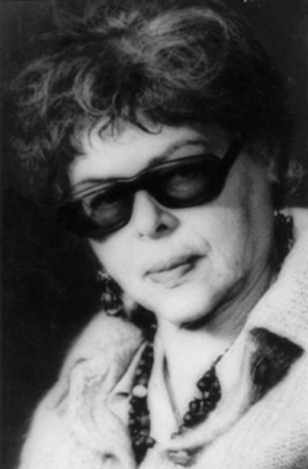
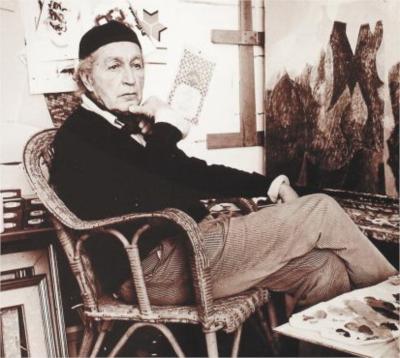
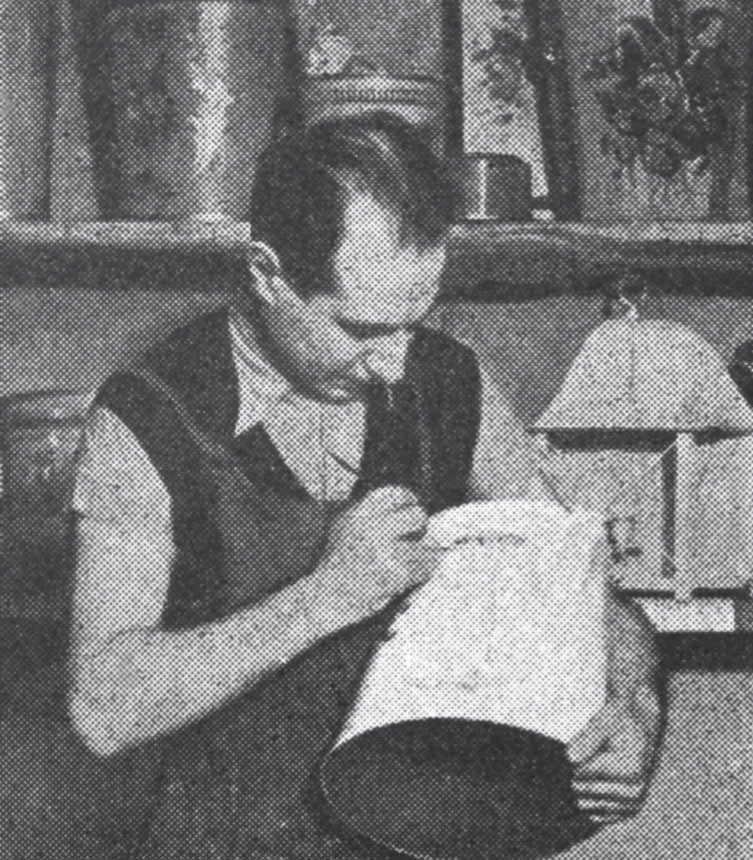
Grégoire Michonze (born Grigory Mishonzhnik) was a seminal figure of the School of Paris, whose work seamlessly blended surrealist introspection with a unique form of narrative naturalism. Born in Chisinau to a modest family, he began his journey studying icon painting under Shneer Kogan and Alexandru Plămădeală. This early exposure to the spiritual and structural traditions of Eastern European art remained a subtle foundation for his later, more radical explorations in Bucharest and, eventually, Paris.
Arriving in Paris in 1922 via Marseille, Michonze quickly integrated into the heart of the avant-garde. Through his friend Max Ernst, he entered the inner circle of the Surrealists, associating with André Breton, Paul Éluard, and Yves Tanguy, while forming a deep, lifelong bond with Chaim Soutine. It was during this period that he met the writer Henry Miller—a friendship that led him to adopt the name Grégoire Michonze. To support himself, he designed patterns for printed fabrics at the workshop of Ilya Zdanevich (Iliazd), who was then collaborating with Chanel, proving his versatility across both fine and applied arts.


In the 1930s, Michonze developed what he termed "surrealist naturalism," a style that captured both the dreamlike logic of his peers and a grounded, often tragic, observation of reality. His life took a harrowing turn during World War II; while serving in the French artillery, he was captured and spent over two years in a German prisoner-of-war camp. His haunting drawings of starving Russian prisoners became a permanent thematic scar on his work, infusing his post-war paintings with a profound sense of human fragility and memory.
After the war, Michonze achieved significant institutional success. His masterpiece "Harvest" was acquired by the French Foundation for Modern Art in 1949, and his 1937 painting "Bet on Red" now resides in the Musée d'Art et d'Histoire du Judaïsme in Paris. A winner of the Grand Prix at the Trouville Biennale and the subject of major retrospectives, Michonze remained a vital link between the Bessarabian diaspora and the global art scene until his death in 1982. Today, he is remembered as a master of atmospheric storytelling whose canvases bridge the gap between the conscious and the subconscious.



















.jpeg)