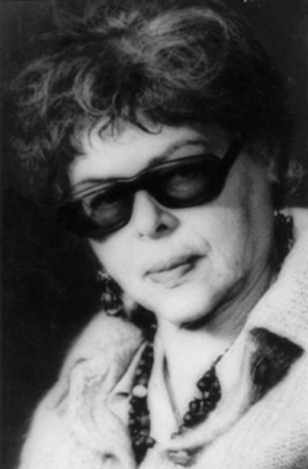
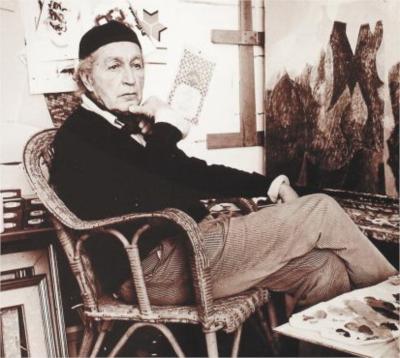
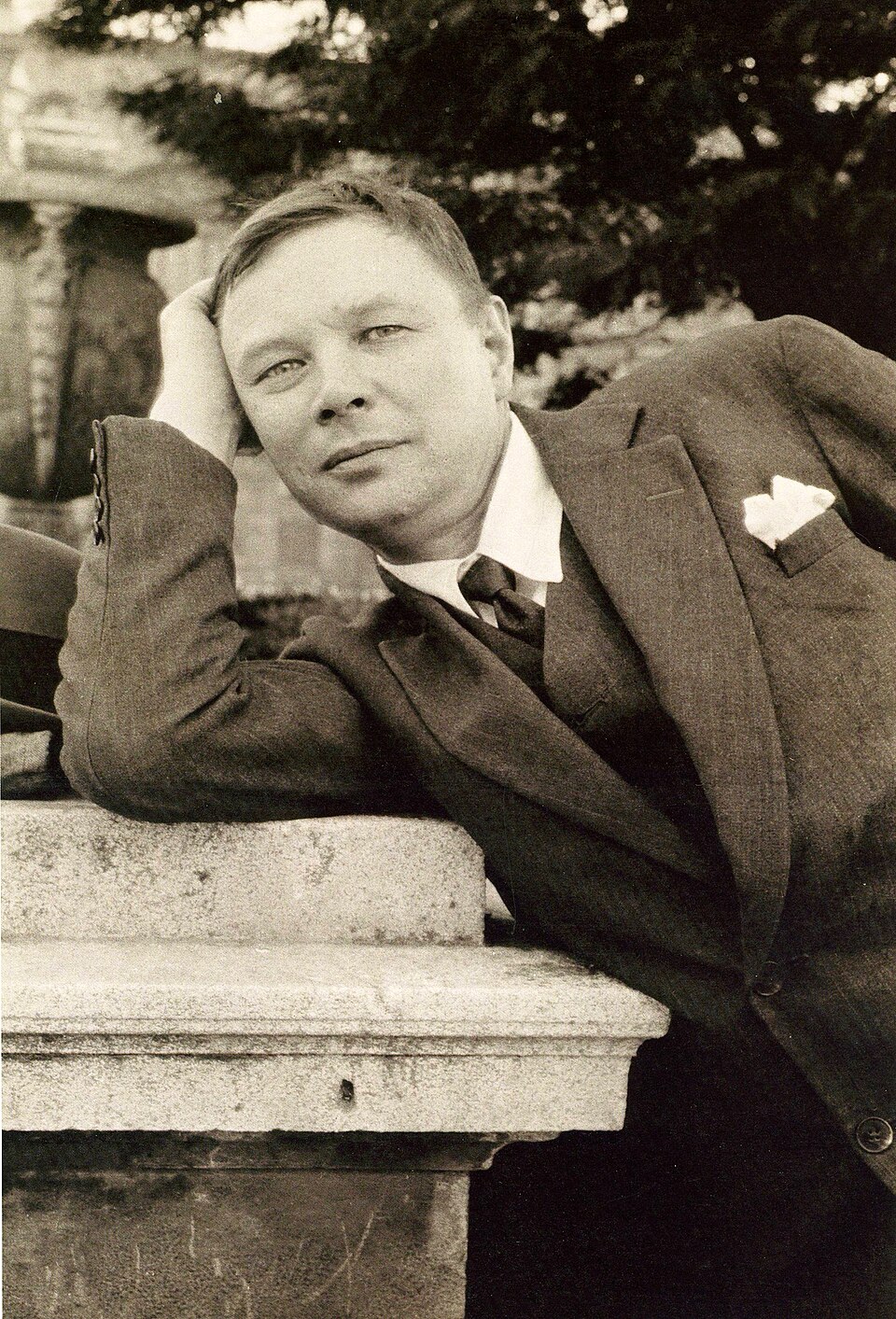
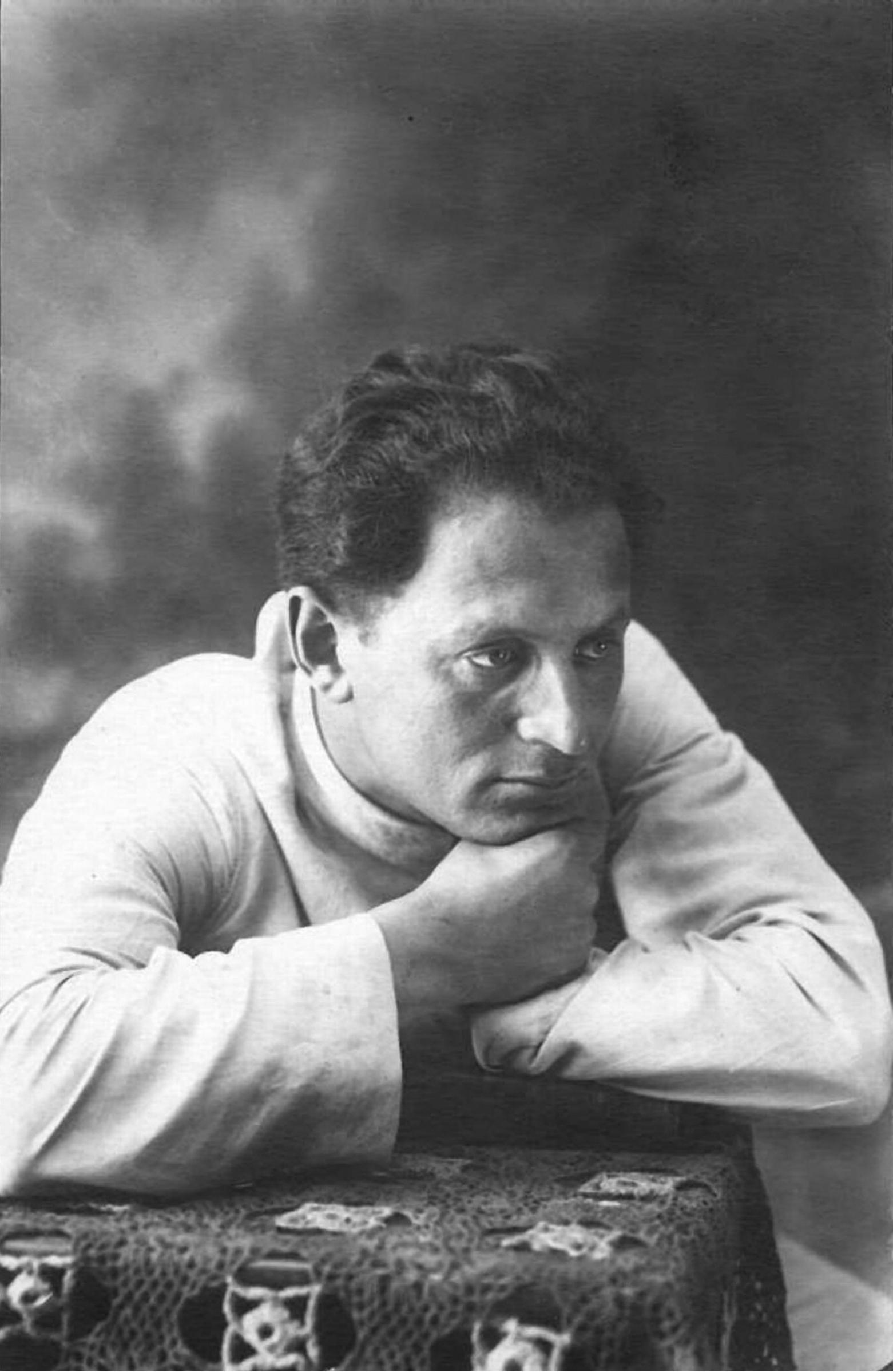
Sasha Moldovan (born Shaya Gdaljevic Schneider) was a vibrant figure of the School of Paris and American Modernism. Born in Bessarabia into a family of tavern owners, he inherited his love for art from his mother, whose maiden name he later adopted as his professional pseudonym. In 1914, his family immigrated to New York, settling on Manhattan's Lower East Side, where Moldovan began his formal training at the Cooper Union School of Art and the National Academy of Design.
In 1925, Moldovan moved to Paris, immersing himself in the city's legendary interwar art scene. He honed his craft at the Académie Julian and Académie Colarossi, while establishing a studio on Avenue de Châtillon. During this formative decade, he worked alongside masters such as Henri Matisse and Chaim Soutine. Influenced by the expressionist palettes of Van Gogh and Bonnard, Moldovan developed a dynamic, Fauvist-influenced style characterized by bold brushwork and intense color, debuting at the Salon des Tuileries and the Salon d'Automne.


Returning to New York in 1933, Moldovan became an active participant in the Works Progress Administration's Federal Art Project. During the 1930s and 40s, he executed significant public commissions, including the large-scale mural "New York: Old and New" for a Brooklyn public school. His American career flourished as he captured the electric energy of Manhattan cityscapes and the quiet beauty of rural upstate New York, blending his Parisian Post-Impressionist roots with themes of everyday American life.
Though his professional journey was prolific, Moldovan’s later years were marked by personal tragedy; in the early 1970s, he ceased painting and spent the remainder of his life in a mental health institution. Since his passing, his legacy has been preserved through major retrospectives, including a landmark exhibition at the Carnegie Museum of Art in California, cementing his reputation as a bridge between the avant-garde traditions of Europe and the United States.




















.jpeg)