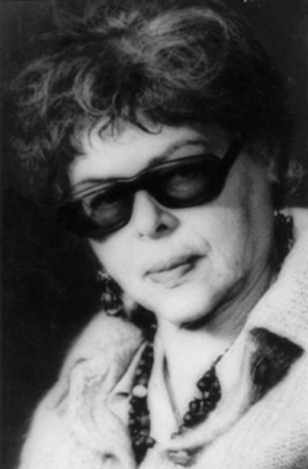
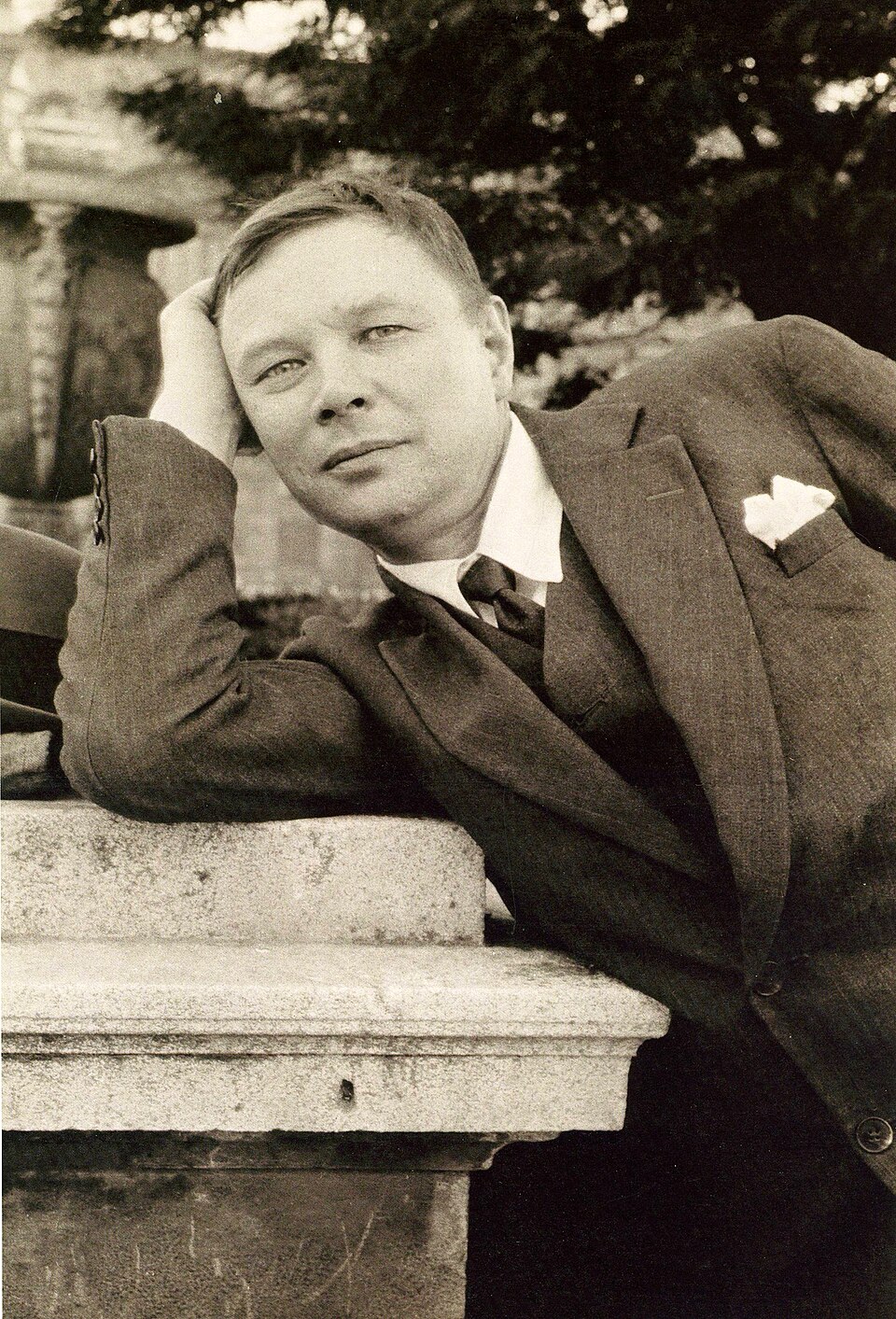
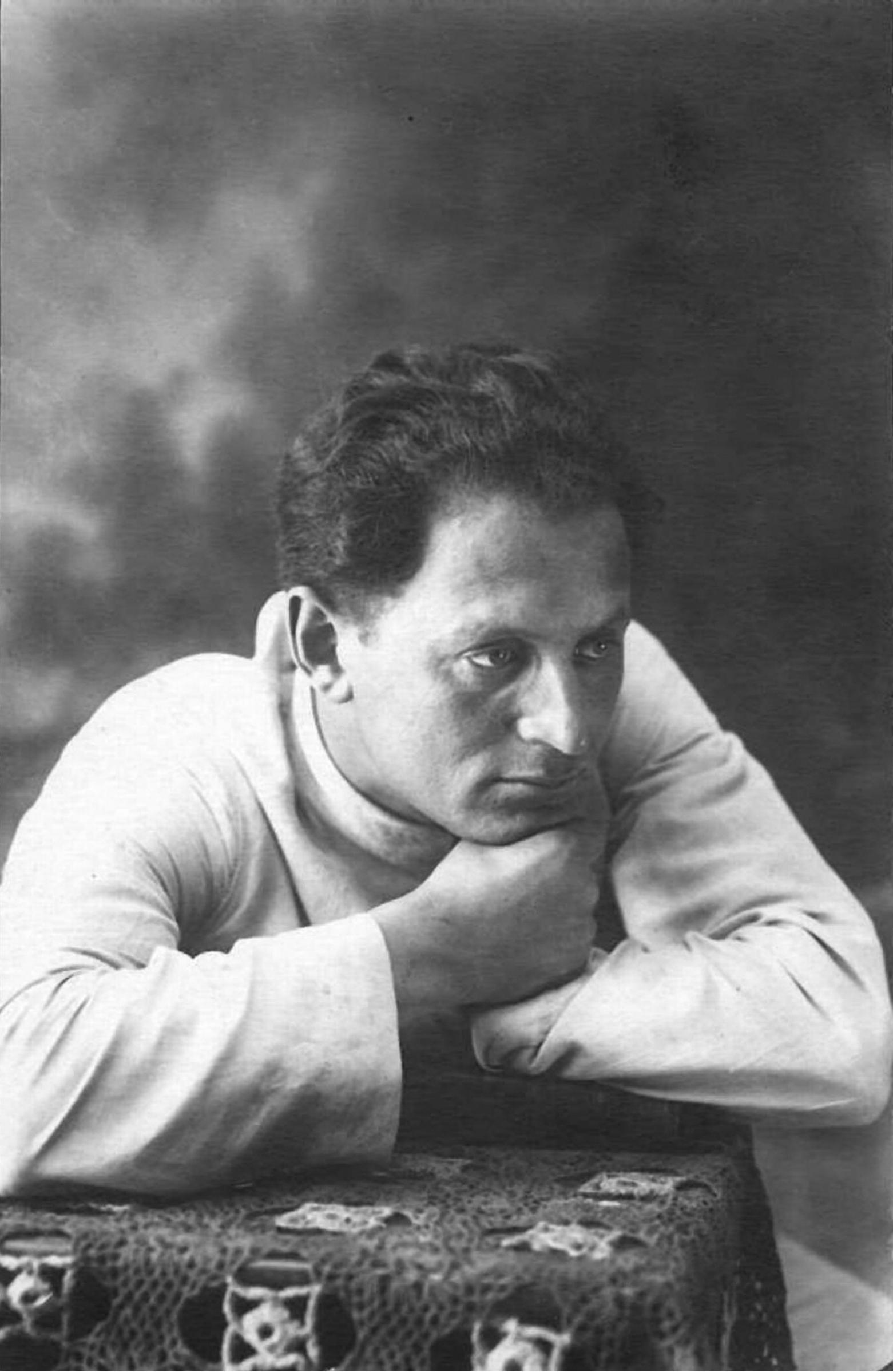
Moisei Gamburd (known as Max Gamburd until 1940) was a seminal figure in Moldovan art, a master of monumental painting, and a revered educator. Born into a family of winegrowers, he began his studies under Shneer Kogan and Alexandru Plămădeală in Chisinau before moving to Belgium. He graduated from the Royal Academy of Fine Arts in Brussels in 1928, where his diploma work, "Call to Struggle," earned him a prestigious silver prize and marked the beginning of his rise as a powerful voice in European painting.
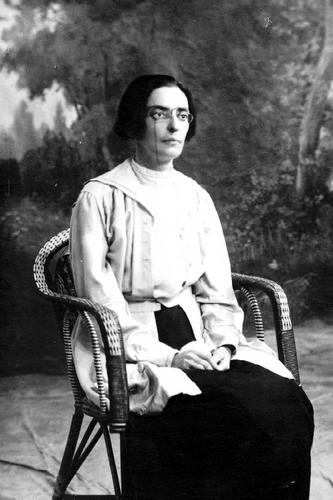
During the interwar period, Gamburd divided his time between Chisinau and Bucharest, gaining widespread acclaim for his depictions of rural life. His works, such as "Bessarabian Peasant Woman" and "Kosari," were celebrated for their architectural strength and emotional depth, earning prizes from the Romanian Ministry of Culture. In 1940, alongside his wife, the renowned artist Eugenia Gamburd, he became a founding member of the Artists' Union of Moldova, mentoring future icons of national art including Mihail Grecu and Ada Zevina.


The post-war years brought both professional success and deep personal trauma. While his monumental wartime painting "The Curse" (now in the National Art Museum of Moldova) became a definitive image of the era's tragedy, Gamburd himself fell victim to the shifting political tides. The state’s campaign against "cosmopolitanism" and the expulsion of his wife from the Artists' Union took a severe toll on his spirit. In 1954, just days after a successful solo exhibition, Moisei Gamburd took his own life—an act the Soviet authorities viewed as a final challenge to the system.
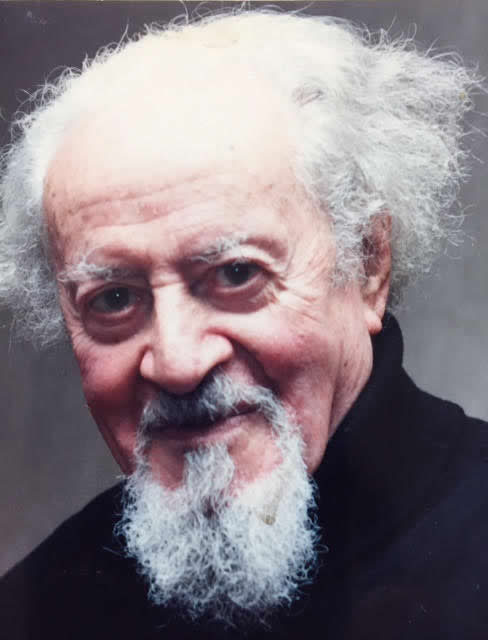
Today, Moisei Gamburd is recognized as a true classic of Moldovan art. His legacy is honored annually through the "Moisei Gamburd Prize," awarded by the Academy of Sciences to outstanding contemporary artists. His works are preserved in the permanent collections of the Tretyakov Gallery in Moscow, the National Art Museum of Romania, and the National Art Museum of Moldova. His daughter, the sculptor and writer Miriam Gamburd, continues the family's artistic tradition from Israel.





















.jpeg)