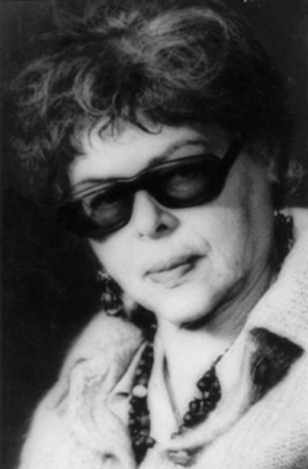
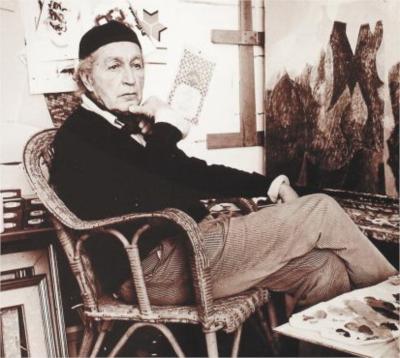
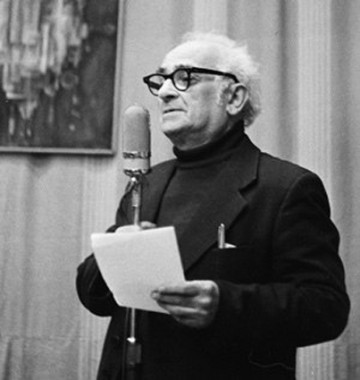
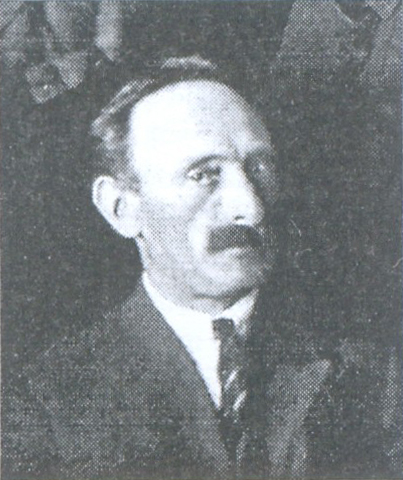
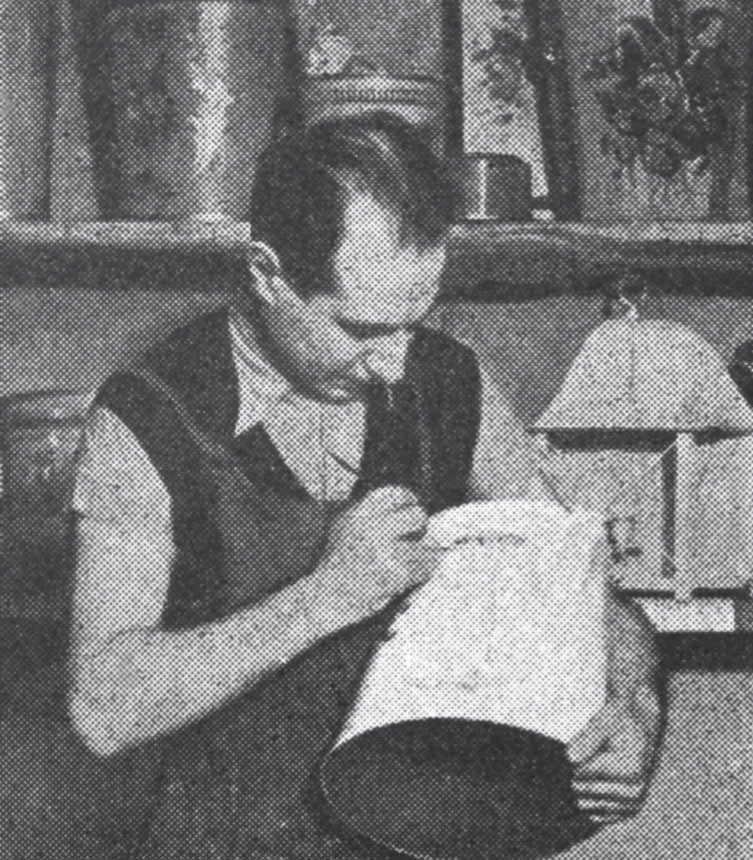
Mendel Beyrehman (Mikhail Beirehman) was a profound portraitist and a resilient figure in the history of Moldovan art, whose life was marked by the tragic upheavals of the mid-20th century. Born in Bessarabia, his promising career was brutally interrupted in November 1942 when he was arrested and sentenced to ten years in a labor camp. It was not until May 1956, during the "Khrushchev Thaw," that he was fully rehabilitated, allowing him to officially return to the professional artistic community.
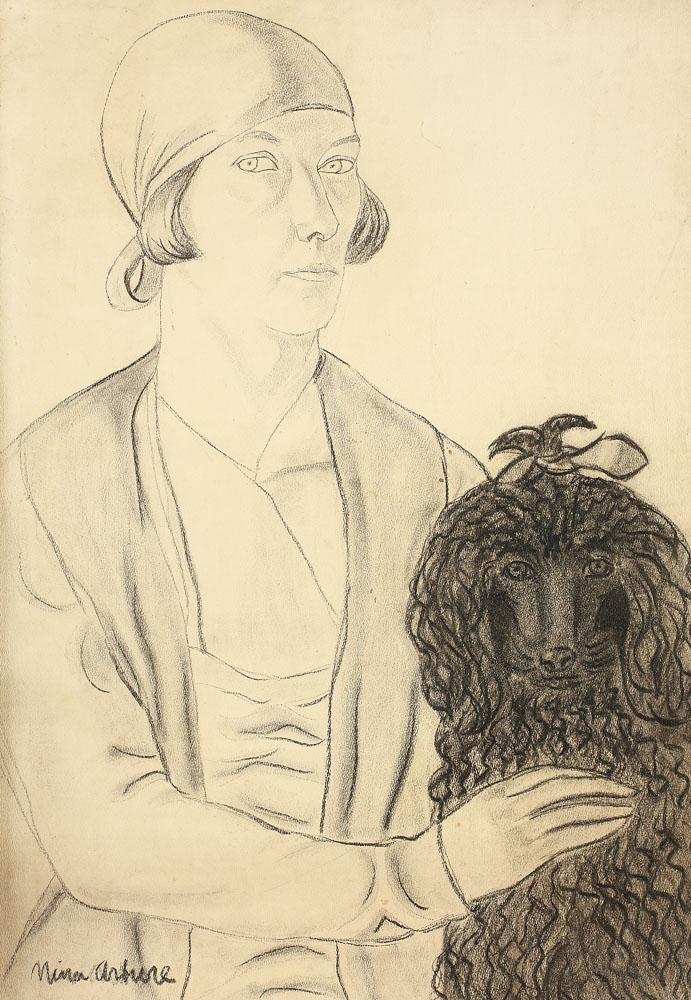
Despite the physical and psychological toll of a decade in imprisonment, Beyrehman maintained his creative drive. Following his release, he worked at a tractor plant’s heat treatment shop, where he served as a painter creating posters, visual aids, and display stands. While this industrial design work was his primary occupation, his true passion remained the art of portraiture. He developed a reputation for capturing the quiet dignity and inner life of his subjects, creating works that became staples of major national and international exhibitions.
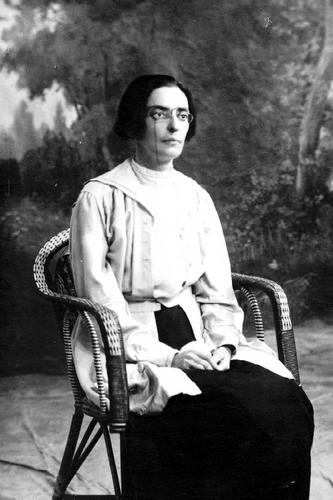
Beyrehman’s legacy is also intertwined with the rich cultural fabric of the regional Jewish intelligentsia. His niece was the celebrated Moldovan composer and educator Zlata Tkach (born Zlote Beyrehman), who also served as co-chair of the Moldovan Memorial Society. This familial connection underscores the artist's place within a lineage of intellectuals dedicated to preserving both the musical and visual history of their people.
Today, Mendel Beyrehman is remembered as a master of the "human document." His portraits are valued not only for their technical execution but for their profound empathy—a quality honed by his own experiences of survival and redemption. His works remain essential pieces of the post-war Moldovan artistic narrative, representing a bridge between the trauma of the past and the enduring power of the artistic spirit.




















.jpeg)