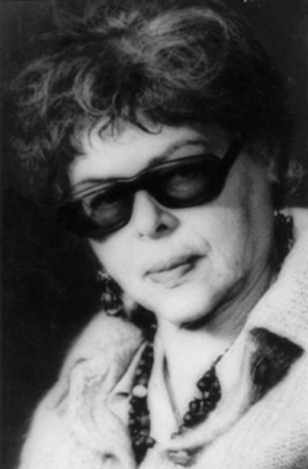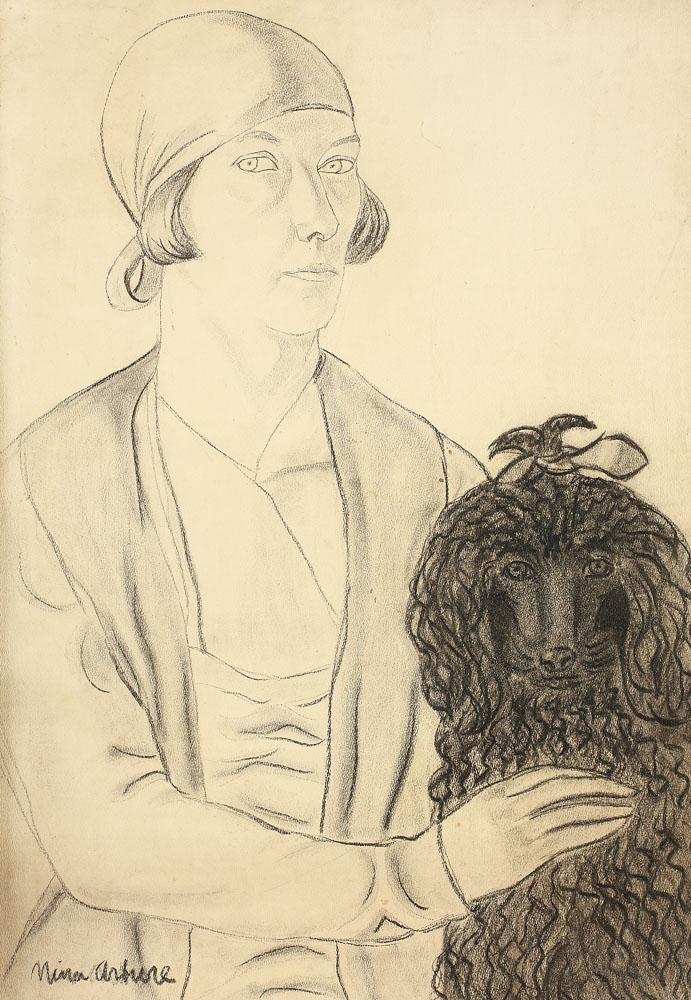
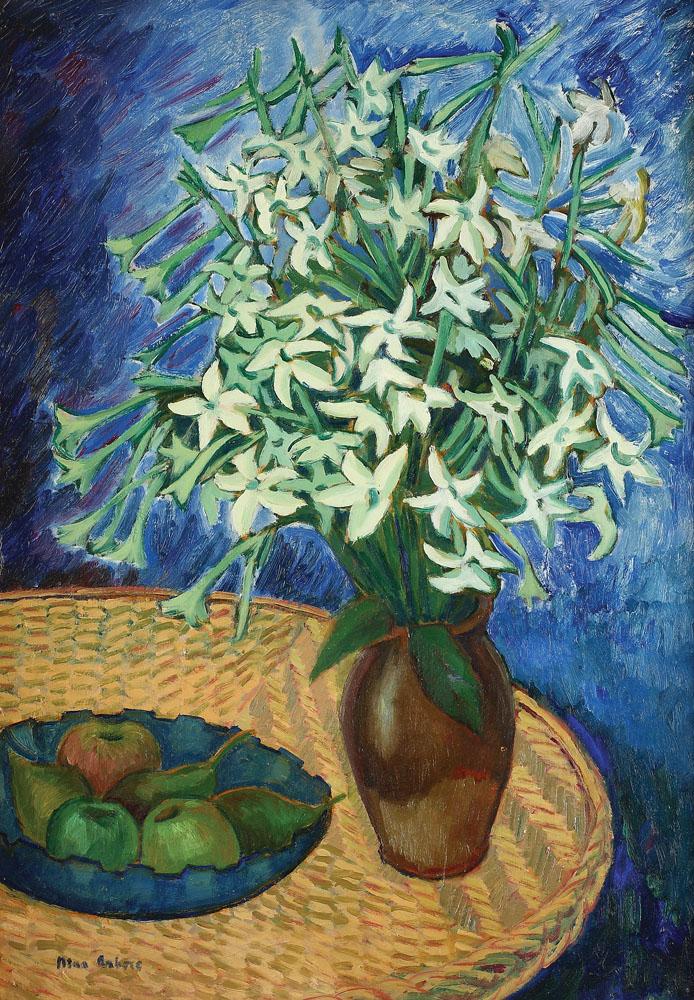
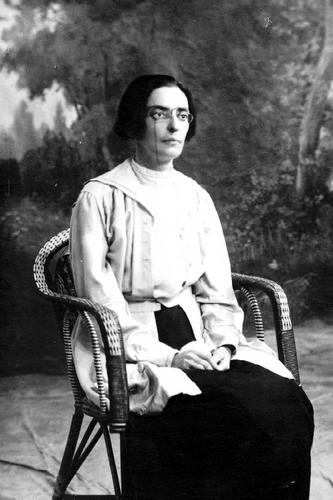
Nina Arbore was a distinguished painter and illustrator, celebrated for her mastery of still lifes, portraits, and innovative watercolor techniques. Born into the family of the prominent revolutionary and writer Zamfir Arbore, she grew up in an atmosphere of intense political activism. While her artistic journey took her to the heights of the European avant-garde, her life was shadowed by the tragic fate of her sister, Ecaterina, a victim of the Stalinist purges.
Arbore’s artistic education was exceptional. After early lessons with Nicolae Vermont, she moved to Munich in 1906 to study at the Women's Academy of the Artists' Union. Her most formative years, however, were spent in Paris as part of the final graduating class of Henri Matisse’s studio. Under Matisse’s guidance, she embraced the principles of Fauvism and the expressive power of color, which would define her stylistic evolution and modernist approach.


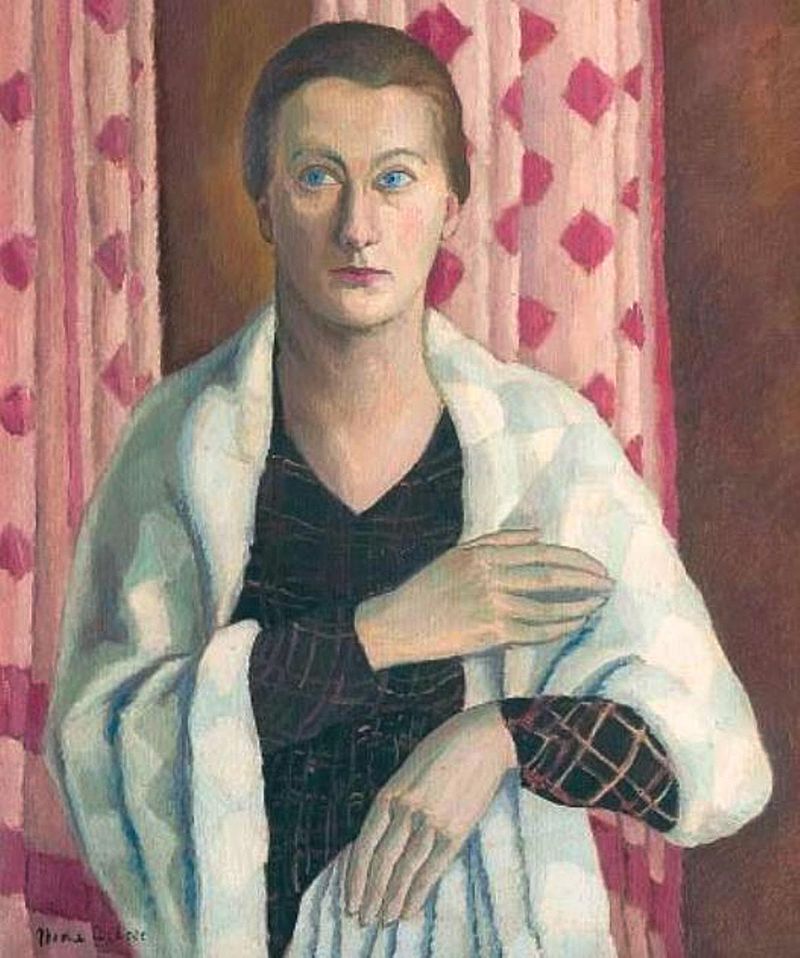

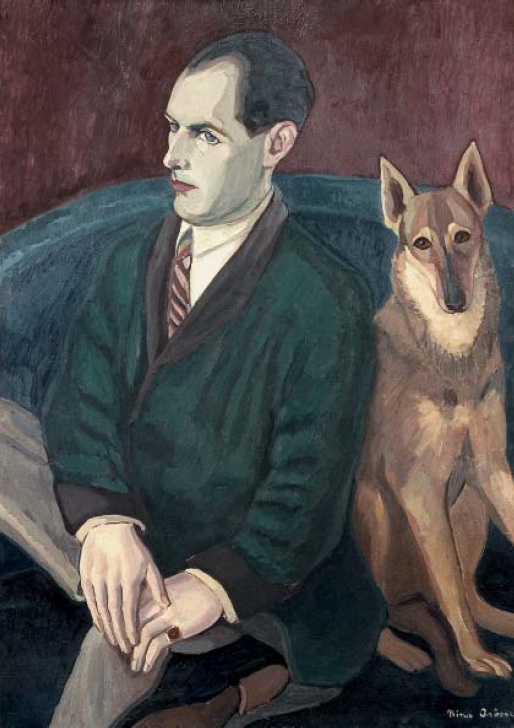
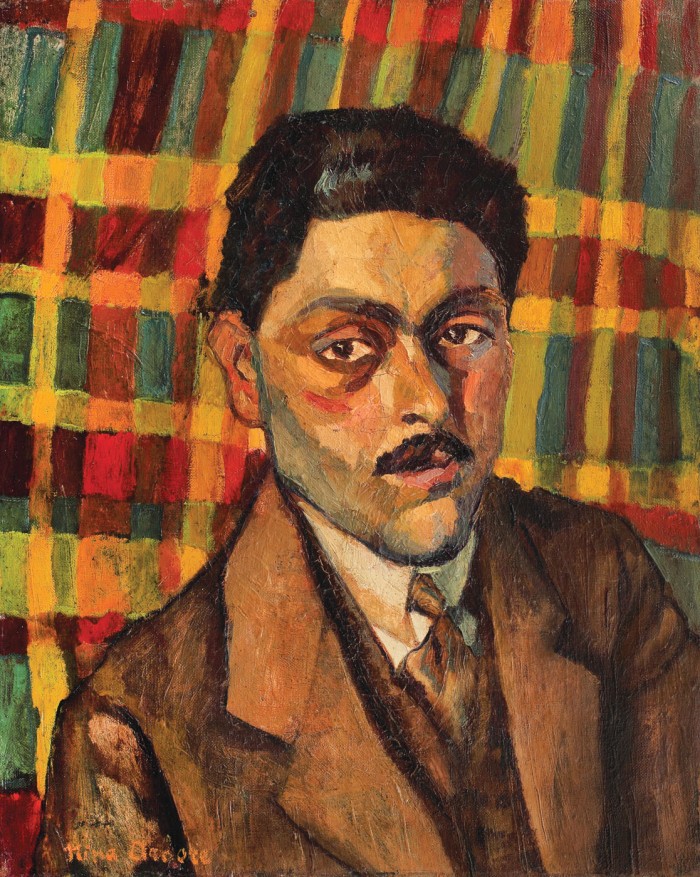
In 1916, following her return to Bucharest, Arbore co-founded the Association of Women Painters and Sculptors alongside Cecilia Cuțescu-Storck and Olga Greceanu. Supported by Queen Marie of Romania, the association became a vital platform for female artists in a male-dominated field. Arbore also remained deeply connected to her roots, frequently participating in exhibitions organized by the Bessarabia Fine Arts Society.
During the interwar years, Nina Arbore balanced her private practice with influential public roles. She taught design at the Academy of Decorative Arts and created powerful social illustrations for left-leaning publications like "Cuvântul Liber." Her versatility was further demonstrated in her government commissions for religious frescoes, most notably for the Church of Saints Constantine and Helena in Constanța. In 1929, her technical excellence was recognized internationally with a first prize at the Barcelona International Exhibition.
The 1937 execution of her sister in the Soviet Union led Nina to withdraw from public life. Her own untimely death at the age of 42, amidst the chaos of World War II, cut short a brilliant career. Today, Nina Arbore is rediscovered as a pioneer of Romanian modernism, remembered for both her technical achievements and her tireless work in increasing the visibility of women in the arts.



















.jpeg)