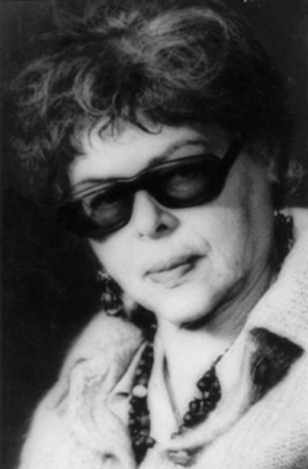
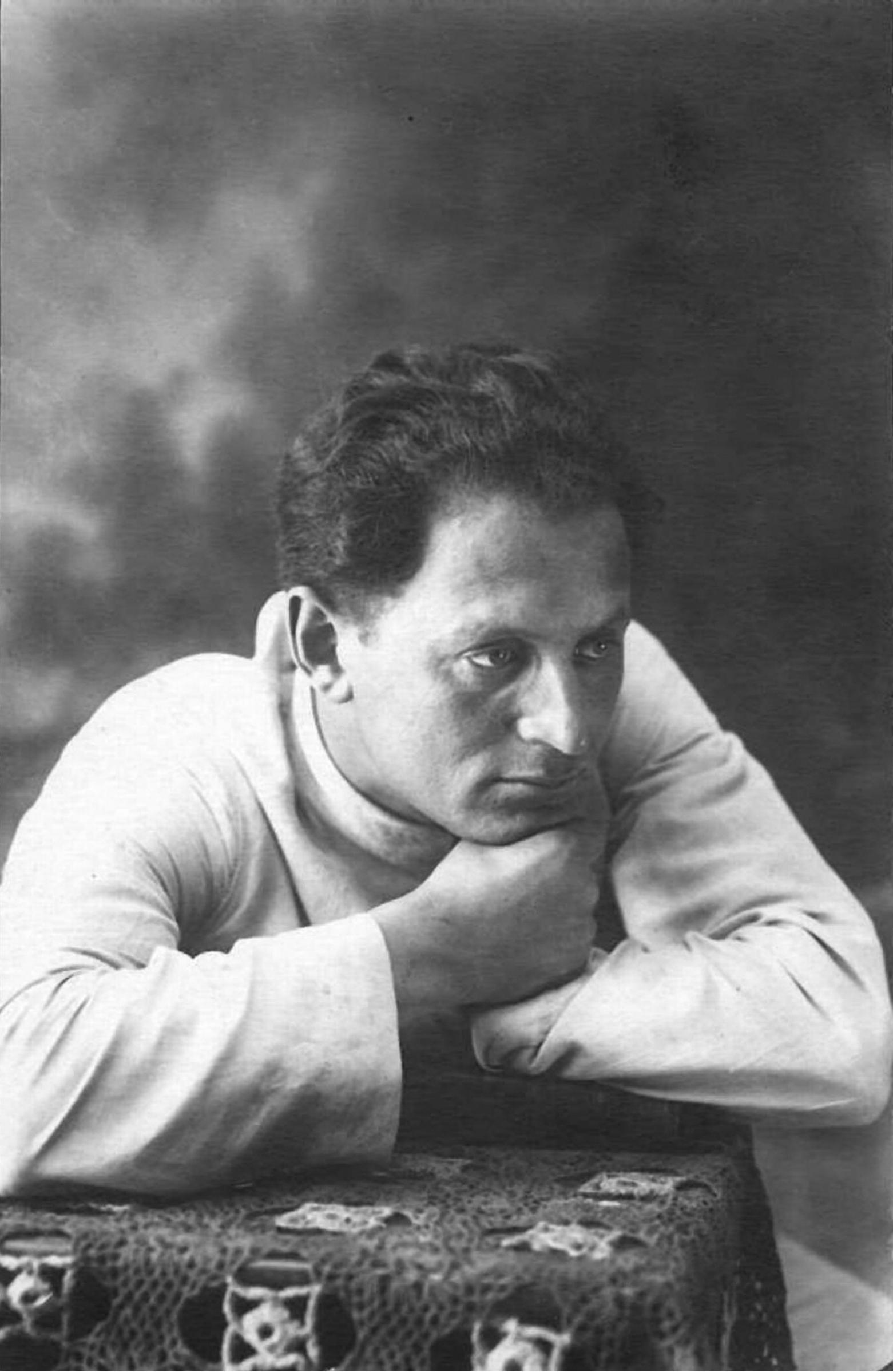
Lazar Dubinovsky was a towering figure in Moldovan art, a master of monumental sculpture, and a classically trained opera singer. Born into a family of teachers, he showed early promise, entering the Bucharest Academy of Fine Arts at just fifteen. There, he studied under Oscar Han and Dimitrie Paciurea, while simultaneously honing his voice as a lyric tenor at the Bucharest Conservatory. In 1929, he reached a pivotal milestone, interning in Paris at the Académie de la Grande Chaumière under the legendary Antoine Bourdelle.
After a decade in Bălți and service on the front lines of World War II, where he was seriously wounded, Dubinovsky settled in Chisinau. His post-war career was uniquely dual-natured: while serving as a government official in the arts, he also performed major roles in operas by Tchaikovsky, Mussorgsky, and Rimsky-Korsakov at the Chisinau Opera and Ballet Theatre. This deep connection to music and performance permeated the dramatic, rhythmic quality of his sculptural work.


In the 1950s, Dubinovsky’s career as a monumentalist reached its peak. After working in the Moscow studio of Evgeniy Vuchetich, he returned to Chisinau to create the iconic equestrian statue of Grigory Kotovsky. Perhaps his most enduring gift to the city was the founding of the "Alley of Classics" in 1957. Dubinovsky not only initiated the project but personally sculpted the inaugural bronze busts of literary giants like Mihai Eminescu and Vasile Alecsandri, shaping the cultural heart of the capital.
Throughout his career, Dubinovsky remained deeply attuned to his Jewish heritage and the tragedies of the 20th century. For the Museum of Jewish Communities in Bucharest, he created a haunting monument to the victims of Nazism, using barefoot footprints to evoke the path to the Holocaust. His final masterpiece, "Requiem" (1982), depicting a praying Jew in a tallit, served as a spiritual summation of his creative journey. Today, his legacy lives on through his monuments and the work of his son, the sculptor Sergei Dubinovsky.



















.jpeg)