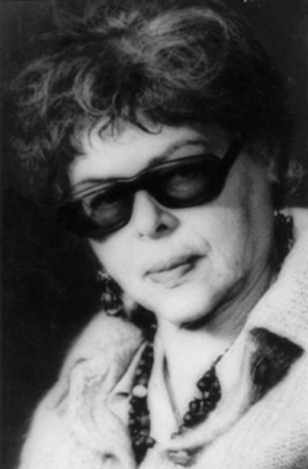
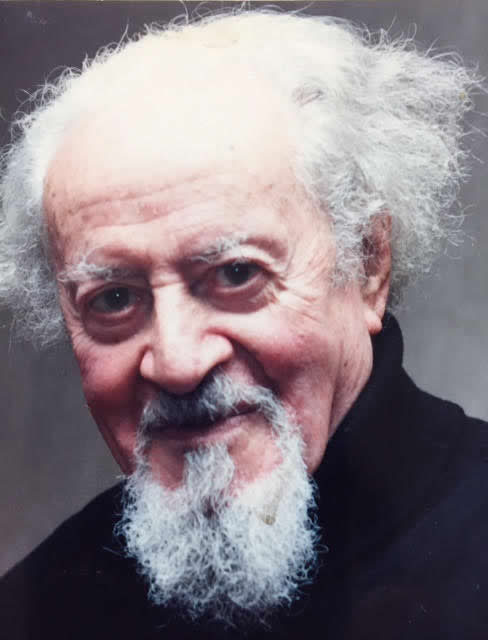
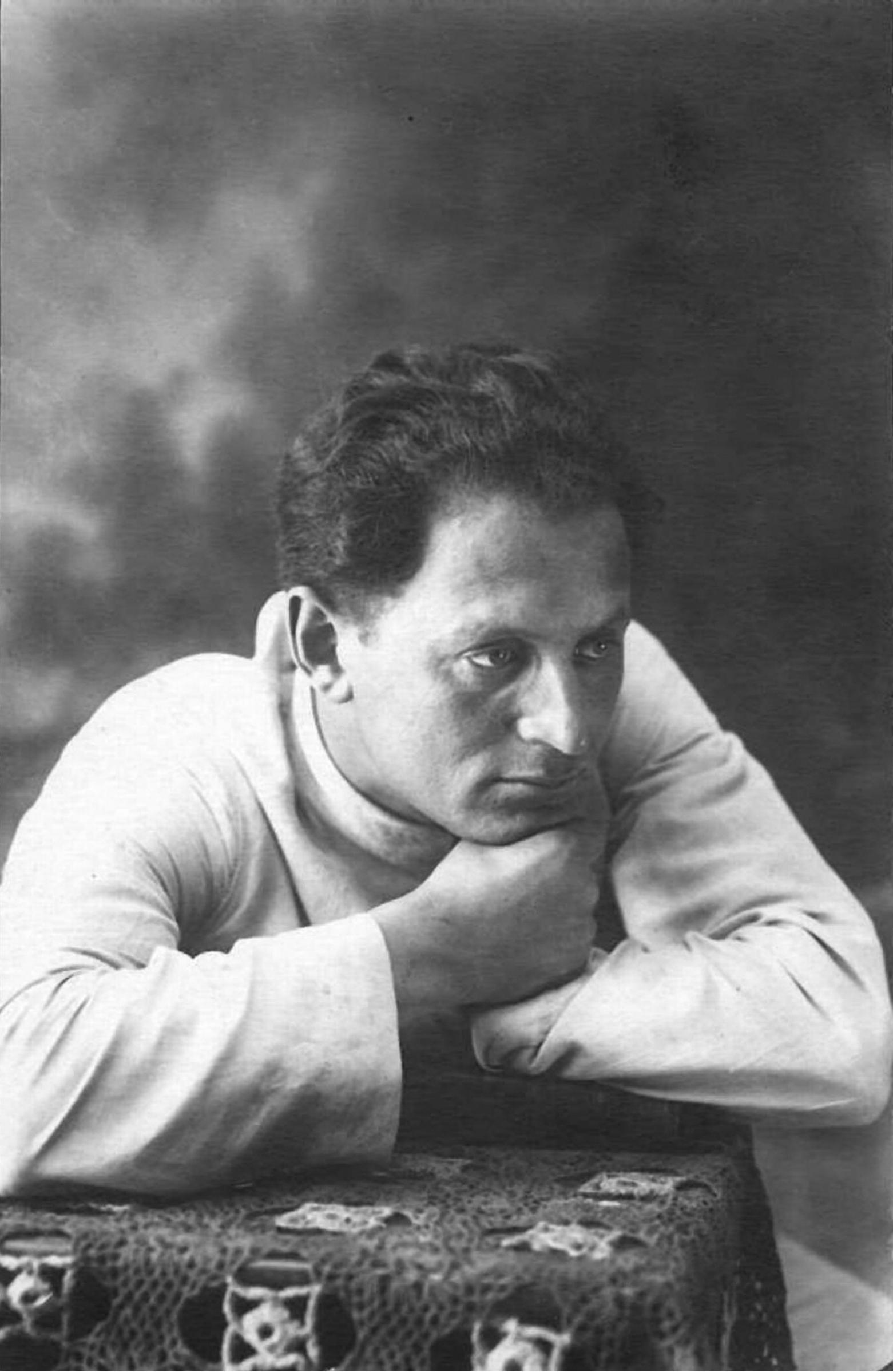
Zvi Milstein (born Grigory Milstein) was a visionary multi-disciplinary artist who redefined the boundaries of printmaking, painting, and digital art. Born into a prominent family in Chisinau, his early life was marked by the tragedies of the Soviet annexation and World War II. After a period of displacement in Georgia and Romania, and a brief internment in Cyprus, Milstein settled in Israel in 1948. There, he studied under Israeli masters like Mordechai Ardon and Moshe Mokadi, holding his first solo exhibition in Tel Aviv in 1954 before a grant from the Normandy Foundation allowed him to settle in the artistic heart of Paris.
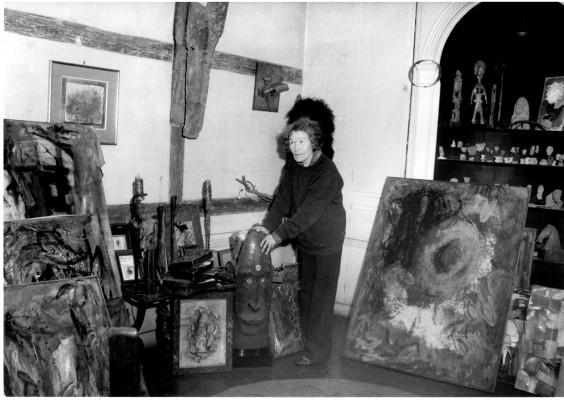
In Paris, Milstein became a master of the burin and engraving, earning the prestigious Prix de la Critique for his graphic work. His creative restlessnes led him to move beyond the traditional canvas; by the early 1960s, he was incorporating found objects, wood, and paper fragments into his paintings, creating a tactile, multi-layered aesthetic. His intellectual depth made him a natural collaborator for major cultural projects, such as his celebrated series of lithographs for the Franz Kafka exhibition at the Centre Georges Pompidou in 1978.


Milstein was a true pioneer of "digital humanism." As early as 1986, he began experimenting with computer graphics, uniquely eschewing the mouse and tablet in favor of direct mathematical computation to generate images. This fascination with technology culminated in 2002 when, in collaboration with Epson, he developed a proprietary digital graphics technique that produced color prints of unprecedented quality. His late-career retrospectives across Europe—from Denmark, where he celebrated the bicentennial of Hans Christian Andersen, to major exhibitions in Kyiv and Lyon—highlighted his role as a bridge between classical heritage and the digital future.
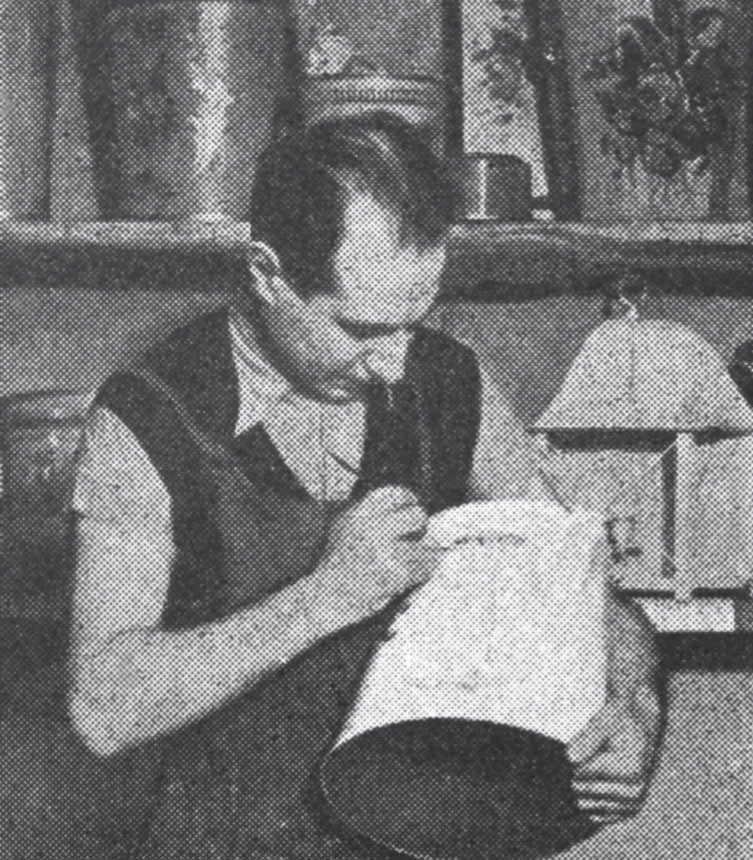
A singular aspect of Milstein’s late work was his revolutionary relationship with paper. He transformed it from a mere medium into a sculptural and organic subject, crafting his own paper from plants like nettles, Swiss chard, and onions. This obsession with texture and materiality aligned him with the broader contemporary movement of "paper plastics" in art and architecture. Today, Zvi Milstein is remembered as an artist of extraordinary freedom, whose legacy spans from three-centimeter prints and paper airplanes to monumental eight-meter gouaches, all unified by a relentless quest for new forms of expression.























.jpeg)