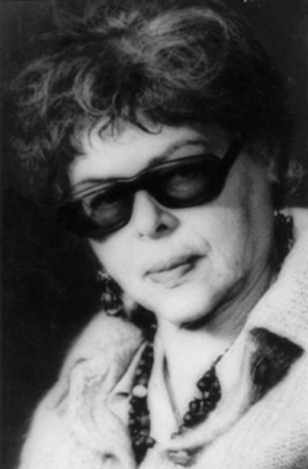
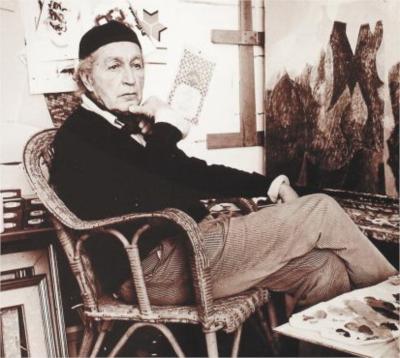
Antoine Irisse (born Abram Yakovlevich Iris) was an artist of the School of Paris, born in Chisinau in 1903. He belonged to a generation of emigrant artists from Bessarabia whose work was formed at the intersection of Eastern European artistic tradition and French modernism.
Irisse received his first art lessons at the Chisinau School of Fine Arts. He later moved to Belgium to continue his studies at the Royal Academy of Fine Arts in Brussels. From 1926, he lived and worked in Paris, where he attended the Académie de la Grande Chaumière and joined the circle of Montparnasse artists.
His first solo exhibition took place in Paris in 1929. In the 1930s, he actively participated in exhibitions alongside major masters of European modernism, including Pablo Picasso, Raoul Dufy, Maurice Utrillo, and Mané-Katz. During this period, the artist developed his own pictorial language, combining vibrant color expression, plasticity of form, and the influence of Fauvism.


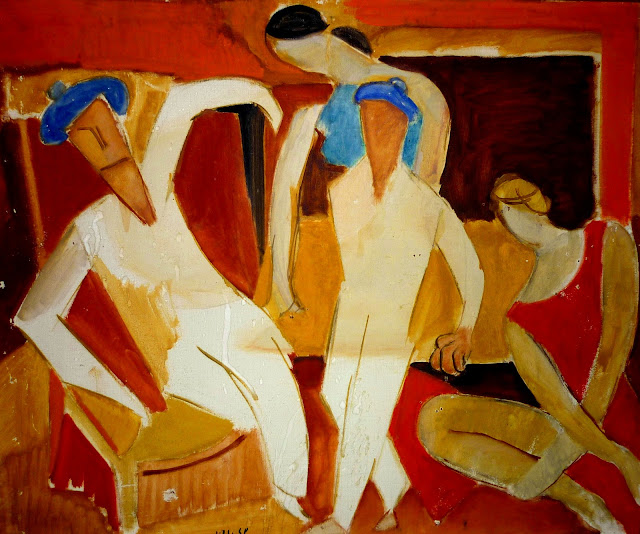


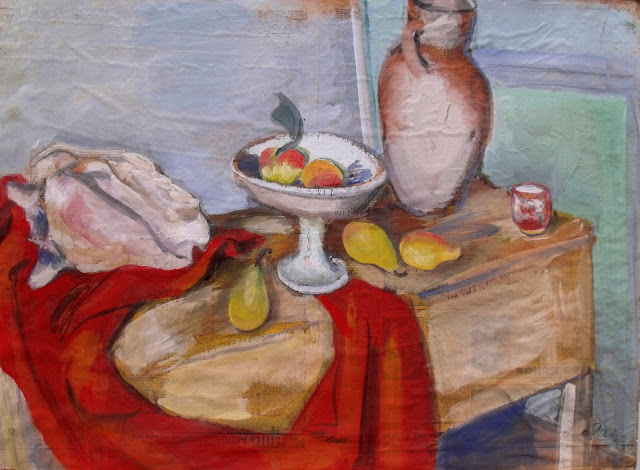
During World War II, Irisse remained in hiding in occupied Paris. The tragedy of the Holocaust deeply affected his family—the artist's parents perished during Nazi persecution. After the war, he joined the Salon de Mai and continued to exhibit extensively in Paris. In his later years, he increasingly turned towards abstraction and ceramics.
Antoine Irisse passed away in Paris in 1957. Today, his works are held in museum and private collections across Europe and the United States, and his name holds an important place in the history of the School of Paris and the artistic emigration from Bessarabia.



















.jpeg)