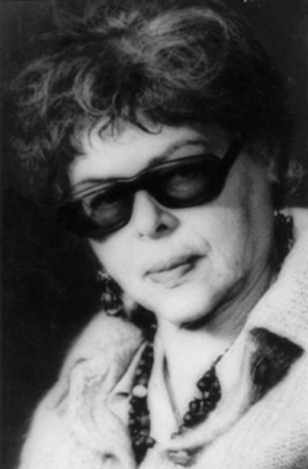
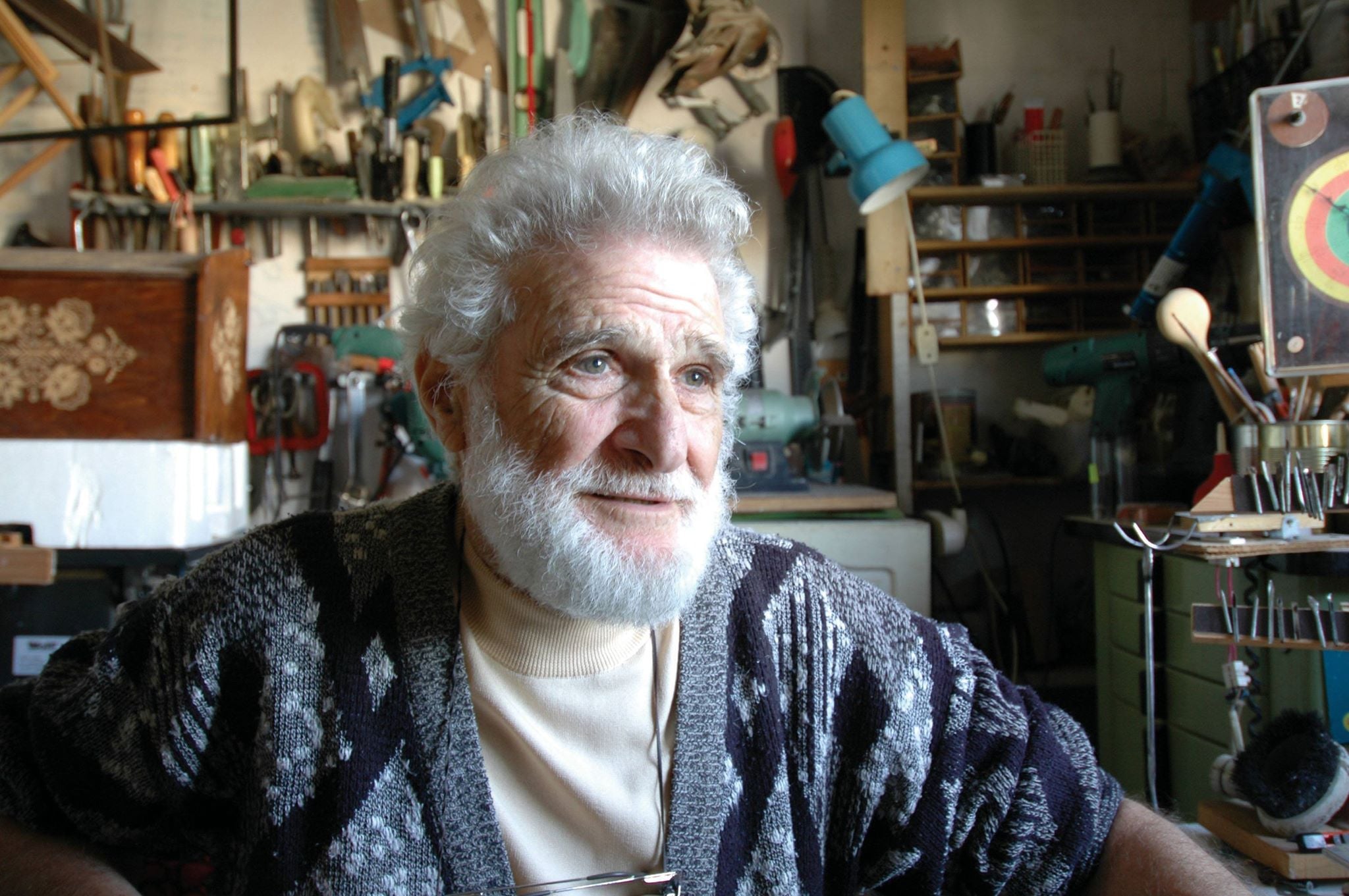
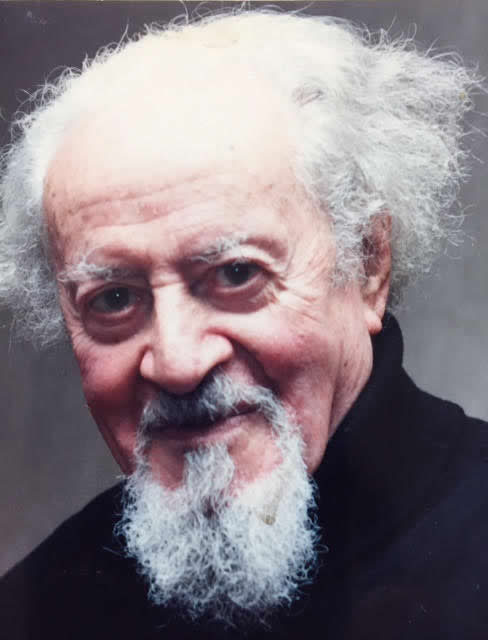
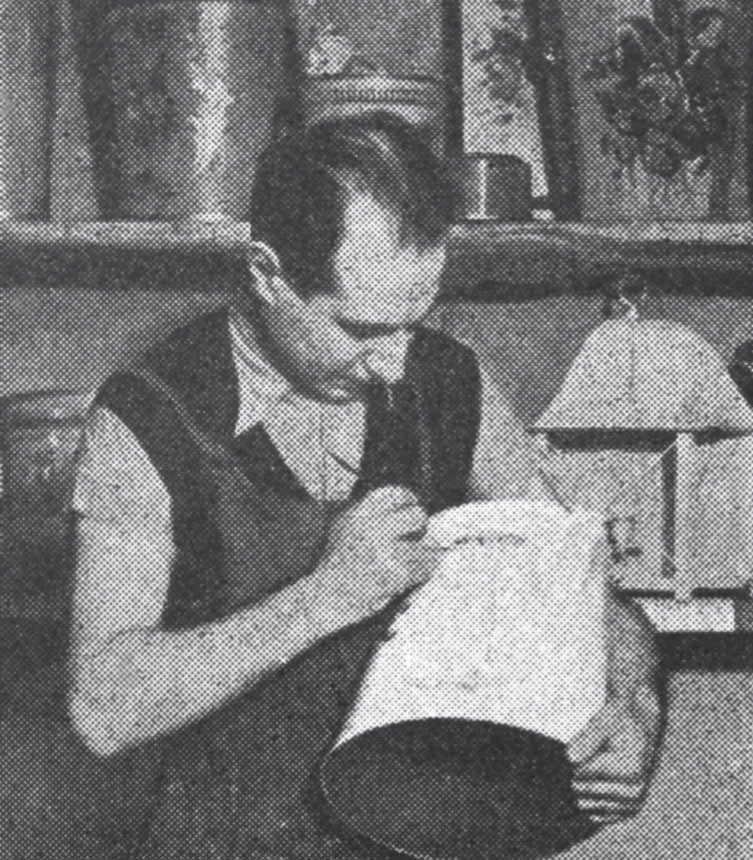
Yakov Averbukh was a versatile master of graphic arts, stage design, and monumental decoration, whose career spanned the cultural landscapes of Moldova and Israel. Born in Chisinau into a family of Yiddish theater actors, his talent was evident from early childhood. He began his formal education at the "Belle Arte" school under the mentorship of Auguste Baillayre, later refining his skills under the guidance of the foundational Moldovan masters Shneer Kogan and Alexandru Plămădeală. Although his academic journey was repeatedly interrupted by World War II and the economic hardships of the post-war era, Averbukh’s resilience allowed him to finally earn his degree in 1950.
Averbukh’s professional life was deeply intertwined with the theater. During the war, he served as a set designer for the Baku Operetta Theater in Uzbekistan, and upon his return to Chisinau, he became a key figure at the A.P. Chekhov Russian Theater. His artistic range was extraordinary; he mastered everything from book illustration and linoleum engraving to the design of posters and monumental interiors for public spaces. Notably, he maintained a lifelong connection to his roots by collaborating with the Shvartsman Jewish Theater, where he designed everything from the troupe's logo to elaborate stage sets and costumes.


In the mid-20th century, Averbukh was recognized for a "freshness of color" that set him apart from the rigid dogmas of Soviet Socialist Realism. Often criticized by the establishment for his perceived "formalism," he continued to pursue his unique vision, painting in oils even during state-mandated trips to industrial construction sites. His ability to find vibrant, living color in everyday reality became a hallmark of his style, blending the academic rigor of his teachers with a modern, expressive sensibility.
In 1990, Averbukh immigrated to Israel, where his art underwent a final, lyrical transformation. While he stepped away from oil painting, he found new inspiration in pastels and pencils, creating evocative landscapes on unconventional materials like wrapping paper. In Israel, he worked as a political cartoonist and illustrator while also applying his monumental skills to the sacred arts, collaborating with his son to design the interiors and wood carvings of three synagogues. Today, Yakov Averbukh is remembered as a bridge between generations, an artist whose work remained vibrant and adaptive through every era of his life.




















.jpeg)