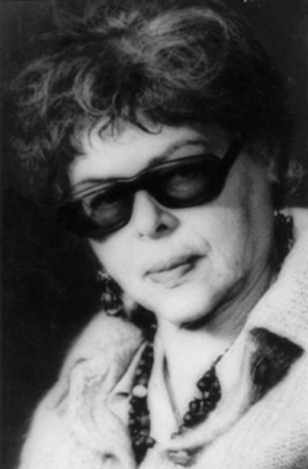
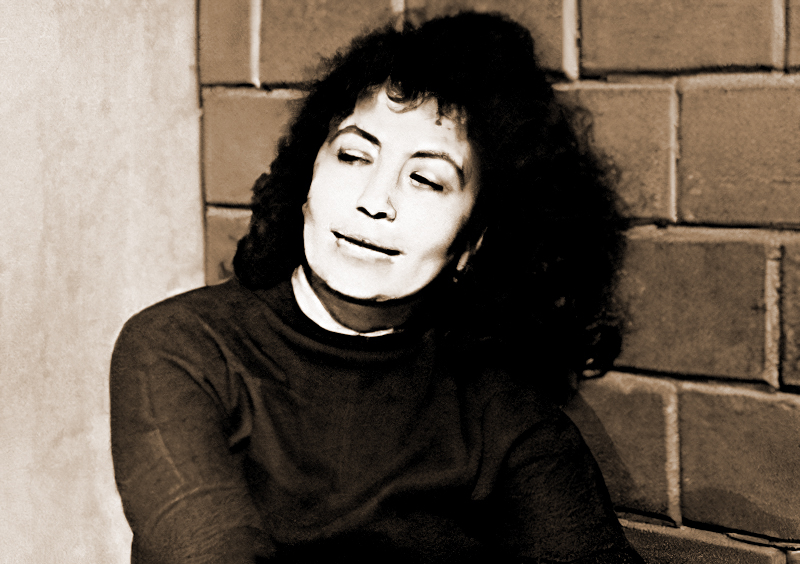
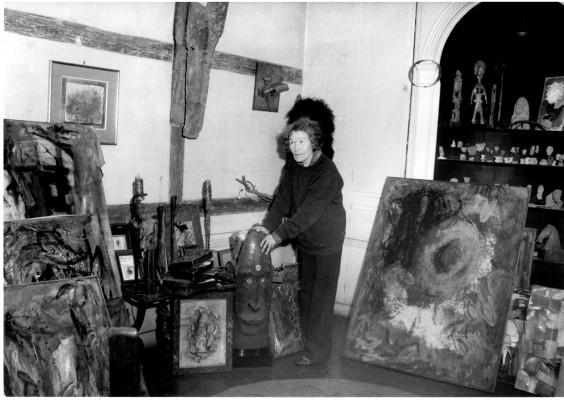
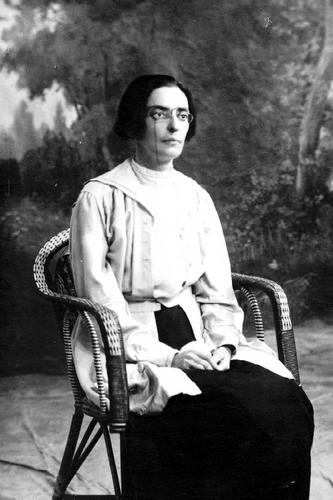
Eva Lallement was a remarkable representative of Naïve art (Primitivism) whose creative journey was deeply intertwined with both culinary mastery and personal tragedy. Born in Chisinau to a Jewish family that immigrated to France in 1924, she led a colorful life before turning to the canvas. For decades, she was the celebrated chef and hostess of the "Mireille Oasis" restaurant in Vendée, where she was known as much for her gourmet recipes as for playing the hurdy-gurdy for her guests. Her restaurant even gained cinematic fame, appearing in Gilles Grangier’s 1960 film "Les Vieux de la Vieille."
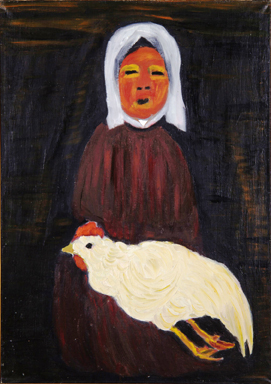
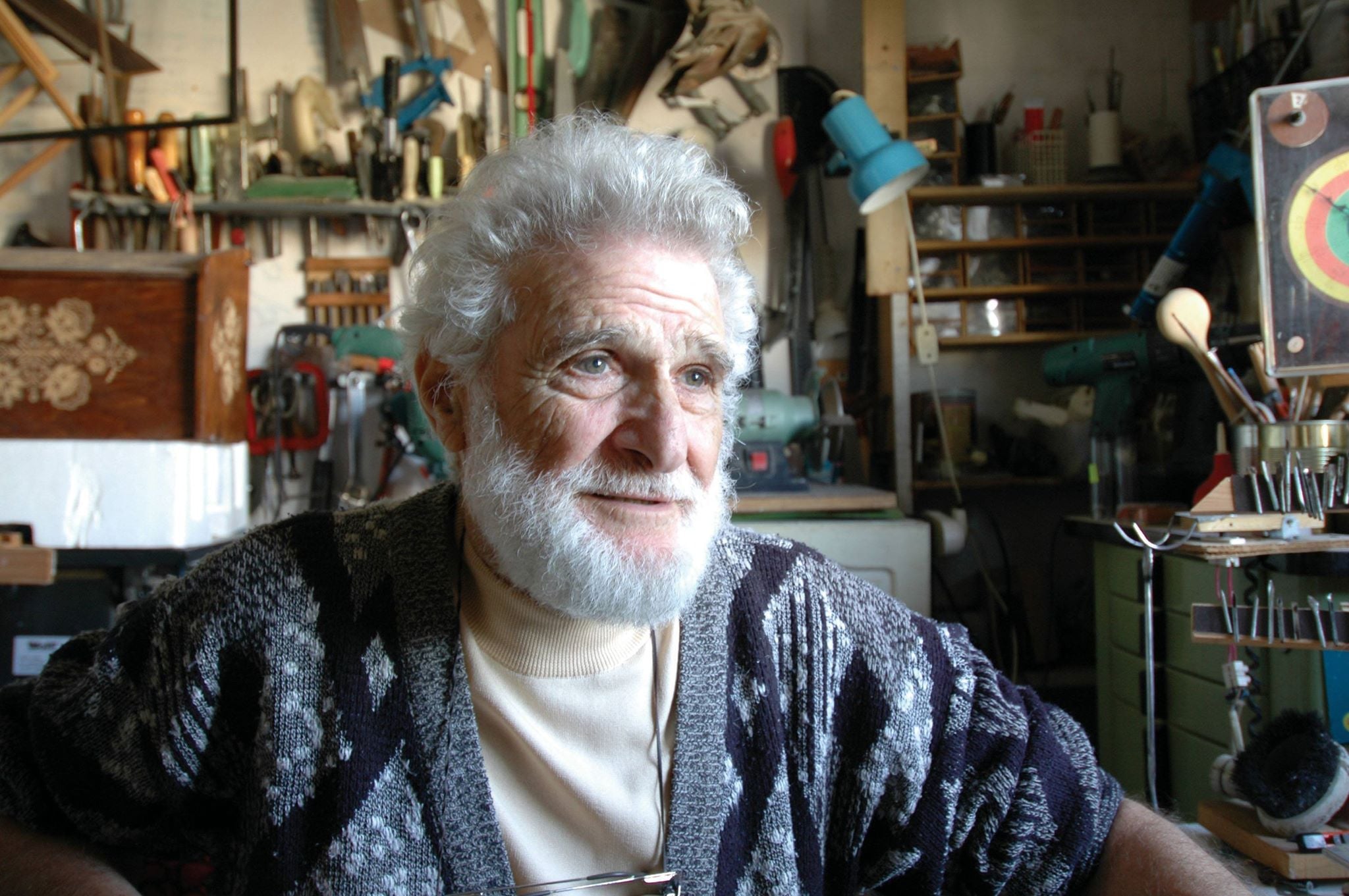
It was not until 1959, encouraged by the artist Jules Lefranc and her brothers—the famous sculptors Jean and Joël Martel—that Eva began to paint and sculpt. However, her artistic debut in 1961 was shadowed by the sudden death of her only daughter, Monique. This devastating loss became the emotional axis of her work; her subsequent paintings and sculptures often reflect an obsessive fixation on grief, characterized by tragic facial expressions and a somber, dominant palette of black.


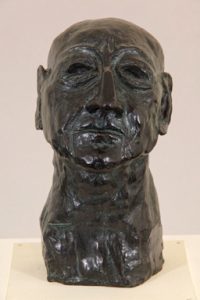
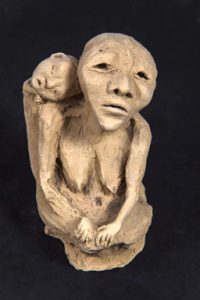
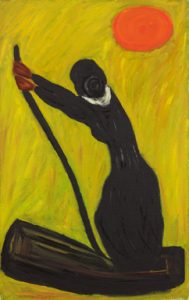
Despite the mournful themes of her art, Lallement achieved significant institutional success. In 1976, her multifaceted legacy was captured in the book "À La Table D'Eva," which combined her culinary recipes with her poetry and art catalog. Her contribution to French culture was formally recognized in 1983 when she was named a Chevalier of the Ordre des Arts et des Lettres. Her work remains a staple of major French institutions, including the Museum of Naïve Art in Laval and the Museum of Modern Art in Nice.
Before her passing in 1991, Eva Lallement donated a significant collection of her works to the city of Les Sables-d'Olonne, where they are now permanently displayed in the Château Saint-Clair. Today, she is honored with an "Allée Eva Lallement" in La Roche-sur-Yon, serving as a lasting tribute to a woman who channeled the rawest of human emotions into a sophisticated and enduring artistic heritage.






















.jpeg)