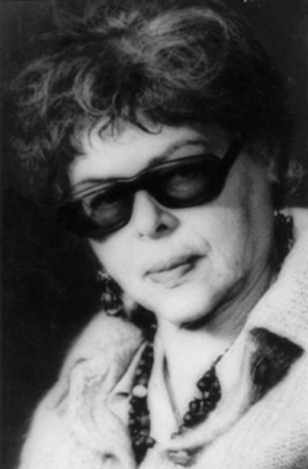
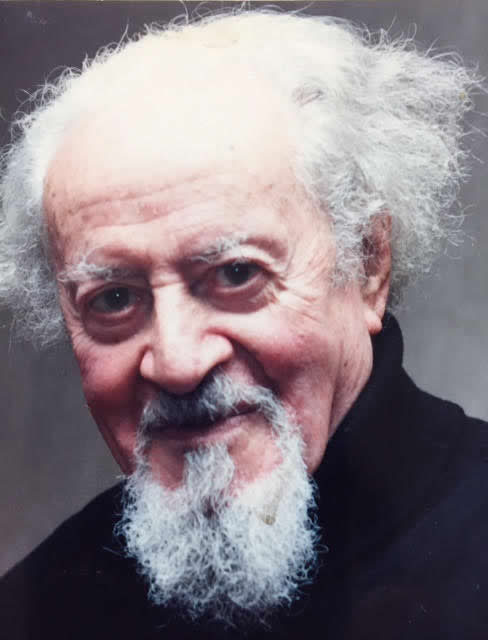
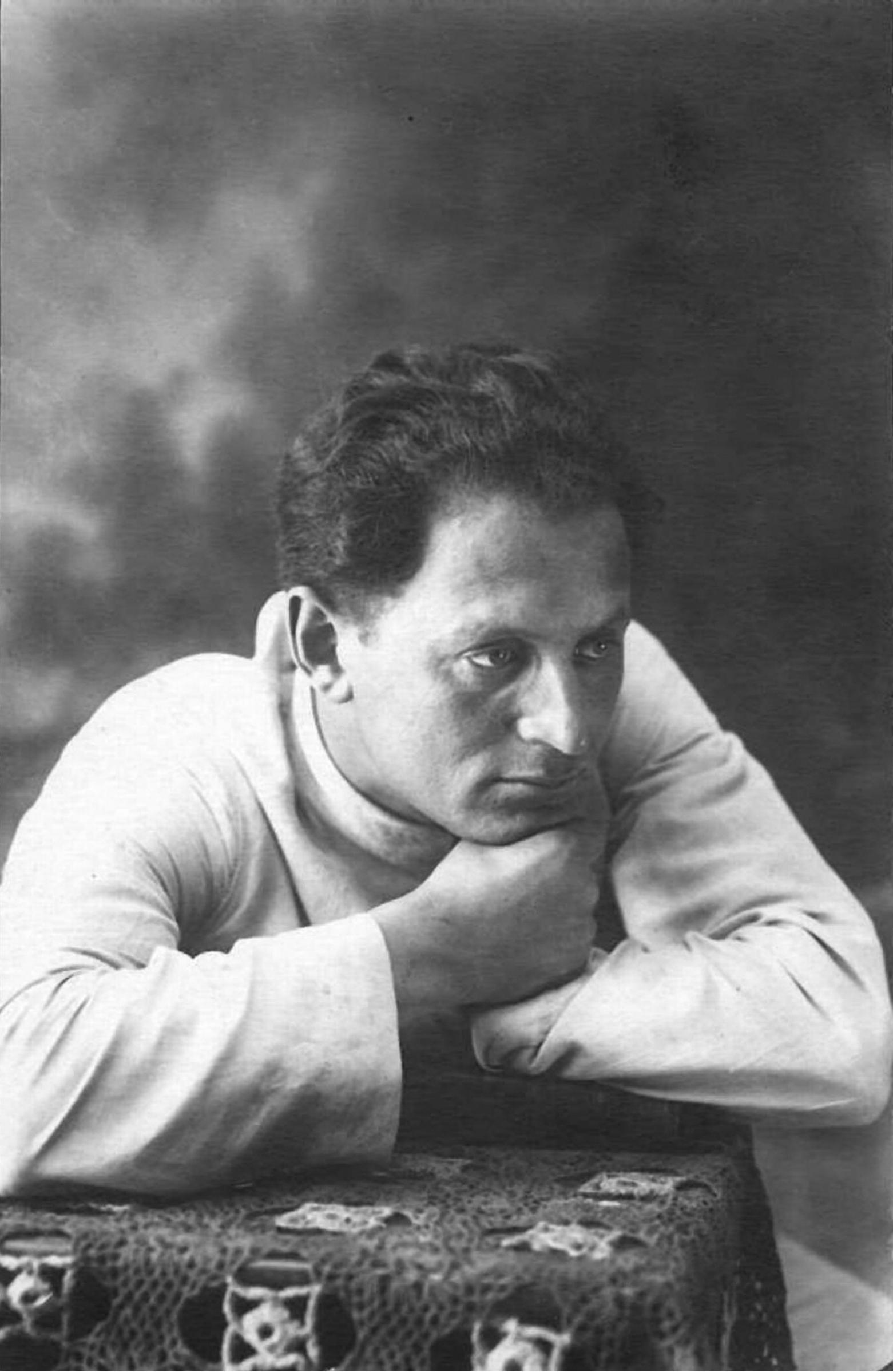
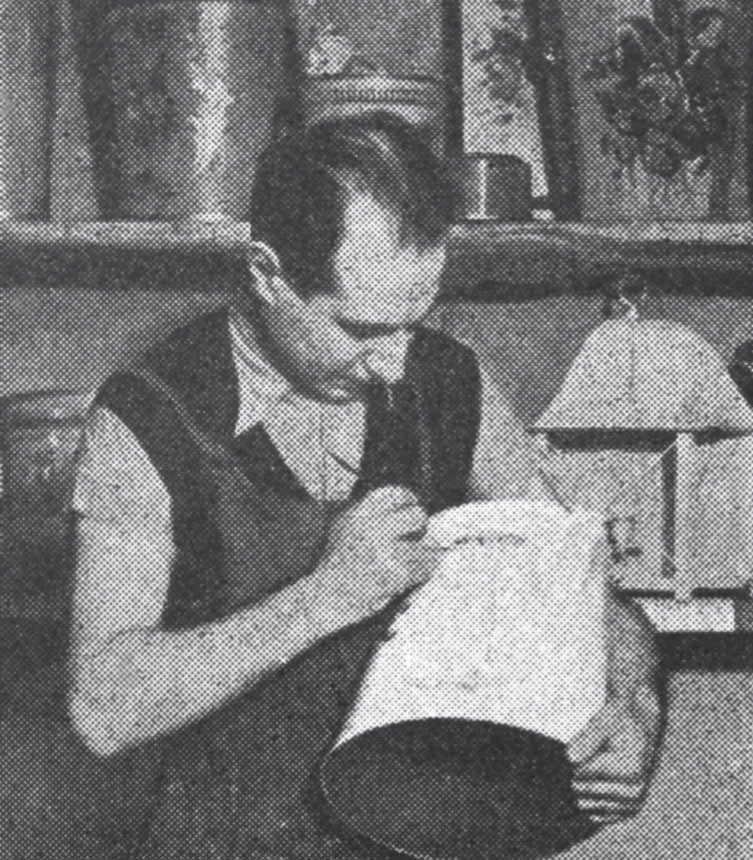
Isaac Kitrosser was a visionary photojournalist, inventor, and chemical engineer who fundamentally reshaped the technical boundaries of 20th-century photography. Born in Moldova to a family of photographers, he brought a rigorous engineering background from the University of Prague to the Parisian art scene in 1922. Kitrosser was a true pioneer of the "Leica era," becoming one of the first photojournalists in France to utilize the 35mm format to capture the candid, behind-the-scenes moments that defined the golden age of European weeklies like Paris-Soir, Vu, and later, Life magazine.
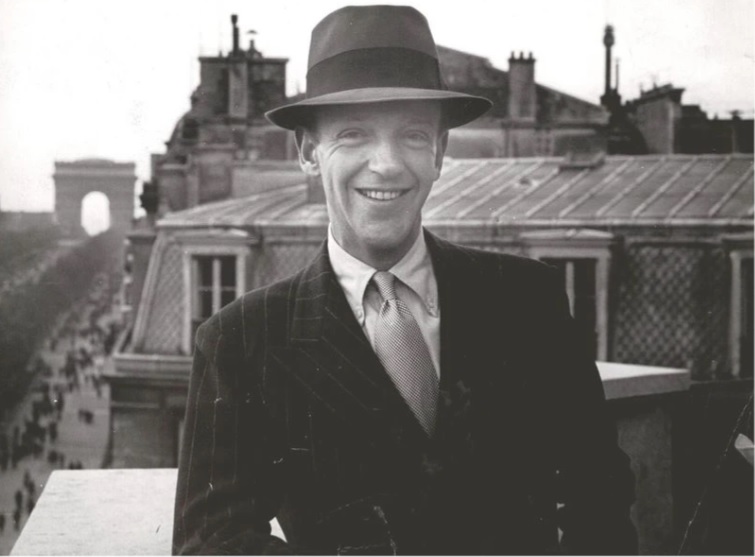
His technical mastery went far beyond traditional optics. In the 1930s, Kitrosser invented groundbreaking chromogenic photography techniques using ultraviolet and X-ray light, creating the world's first color X-rays. This "scientist-photographer" persona allowed him to navigate diverse worlds—from documenting the abstract interiors of the 1937 Paris Exposition to capturing hauntingly intimate portraits of cultural titans like Luigi Pirandello, Serge Lifar, and the film director Abel Gance. His engineering expertise was so profound that he remained an active member of the Union of Russian Certified Engineers in France throughout his life.


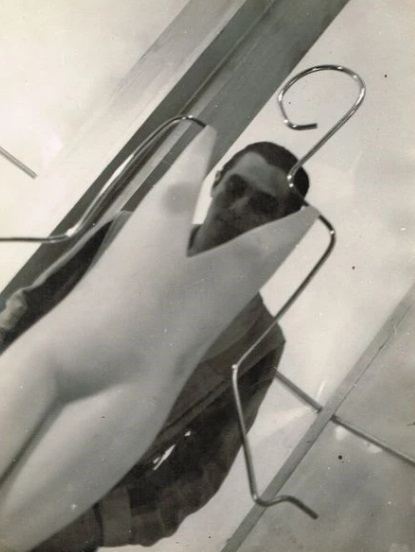
During World War II, Kitrosser’s camera became a weapon of resistance. After being arrested by the Gestapo, he was interned in the Septfonds camp. Under the dangerous pretext of taking identification photos, he surreptitiously documented the reality of the camp, creating a rare and vital visual record of internment that remains historically priceless. Following the war, he continued his distinguished career at Paris-Match and further innovated in the realm of fine art, developing new chromogenic printing processes that produced vibrant, painterly color works like his famous "Roses" series.
Today, Isaac Kitrosser’s legacy is preserved in the world's most prestigious institutions, including the Centre Pompidou and the Maison Européenne de la Photographie. His work represents a bridge between the industrial precision of mechanical engineering and the expressive soul of modern art. He is remembered not only for the famous faces he captured but for his relentless drive to expand the spectrum of what photography could represent, moving from the stark reality of the French Resistance to the luminous possibilities of chromogenic fine art.




















.jpeg)