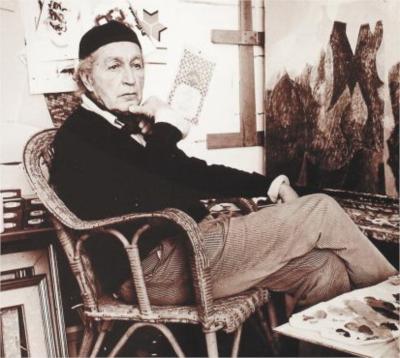
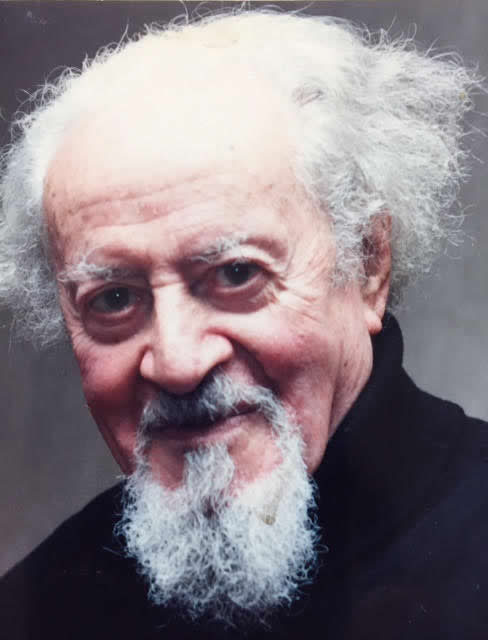
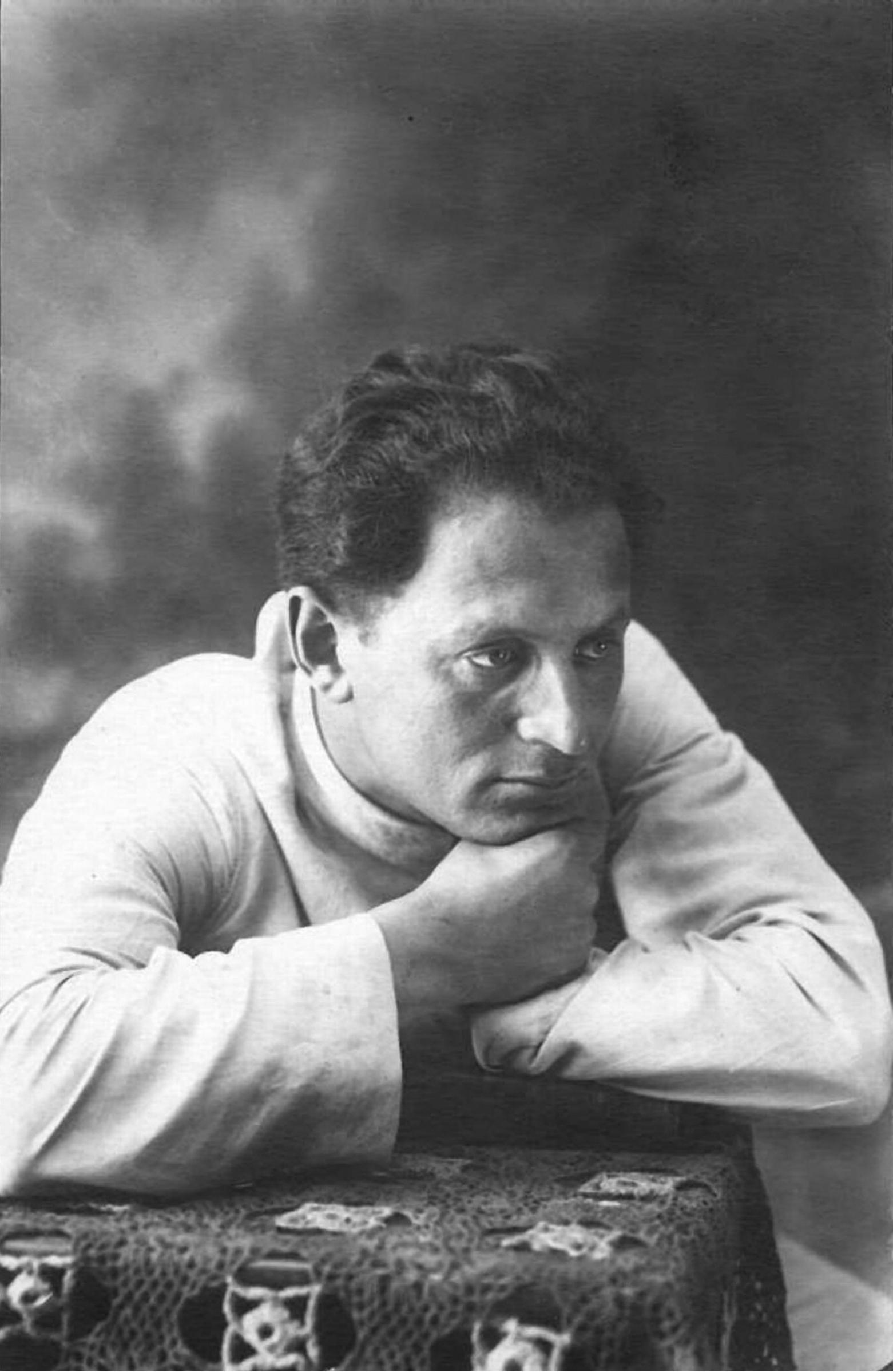
Boris Anisfeld was a visionary painter and stage designer whose work epitomized the fantastical, color-drenched aesthetic of the "World of Art" (Mir Iskusstva) movement. Born into the family of an estate manager, he received a rigorous multilingual and musical education before entering the Odessa Drawing School in 1895. Under the tutelage of Kyriak Kostandi, Anisfeld developed a mastery of figure painting that would later lead him to the Imperial Academy of Arts in St. Petersburg and into the inner circle of Sergei Diaghilev.
Anisfeld’s international fame was forged through his collaboration with the Ballets Russes. Diaghilev, captivated by the artist's dreamlike and decorative style, selected his works for the landmark 1906 Exhibition of Russian Art at the Paris Salon d’Automne. Anisfeld became a key architect of the "pictorial theater" of Art Nouveau, transforming the stage into a purely musical, colorful spectacle. His status was further solidified when he became the only Russian artist of his generation to be elected a full member of the Parisian Salon.


In 1917, amidst the upheaval of the Russian Revolution, Anisfeld embarked on a journey through Siberia and Japan, eventually settling in New York in 1918. His first American solo exhibition at the Brooklyn Museum, featuring 200 works brought from Russia, toured twenty cities and brought him instant acclaim across the United States. He became a sought-after designer for the Metropolitan Opera and the Chicago Opera, bringing his European theatrical sensibility to the American stage.
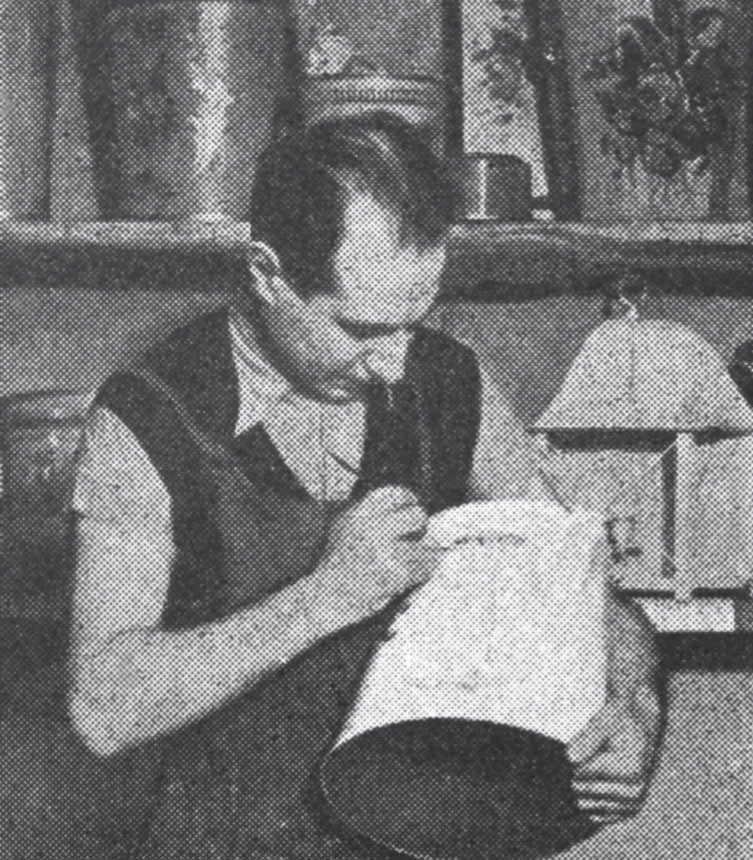
In 1928, Anisfeld moved to Chicago, where he spent nearly three decades teaching at the Art Institute of Chicago. Throughout his later years, he remained devoted to a "cult of color," creating easel paintings that blended decorative expressionism with mystical and gospel themes. Following his death in 1973, his extensive legacy was preserved in major global institutions, including the Tretyakov Gallery, the State Russian Museum, and the New York Public Library, marking him as one of the most significant cross-continental artists of the 20th century.






















.jpeg)